


Bright Neon Effects for Seasonal Celebrations
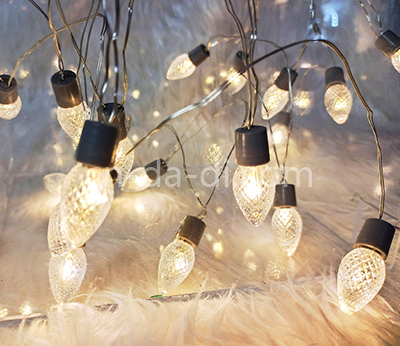
Modern Christmas decorations increasingly combine traditional festive elements with contemporary lighting designs. Neon-style illumination offers a distinctive visual approach that can introduce bright colors, recognizable shapes, and decorative outlines into seasonal environments. For retailers, event organizers, hospitality businesses, and residential users, LED Neon Christmas Lights provide an option for creating eye-catching displays while maintaining flexibility in decorative design. Their visual character makes them suitable for modern interiors, themed celebrations, commercial showcases, and holiday promotional installations.
Neon-style decorative products are designed to create a continuous or visually connected illuminated appearance. Unlike conventional string lights that display individual points of illumination, some neon-inspired designs use flexible light-emitting structures or diffused covers to produce more uniform lines and recognizable outlines. These products can be formed into stars, Christmas trees, snowflakes, bells, reindeer, lettering, and other seasonal shapes. The final appearance depends on the internal lighting structure, outer material, and manufacturing process used for each model.
Flexible construction is an important feature in many neon-inspired lighting designs. Depending on the product, the illuminated section may incorporate flexible tubing, diffusing materials, or other protective components that help maintain the intended shape. These structures allow designers to develop decorative outlines and customized patterns for different installation environments. However, not every neon-style product has the same bending capability. Buyers should confirm the permitted bending radius and installation instructions before attempting to reshape a lighting component, as excessive force may damage its internal structure.
LED technology provides a practical foundation for these decorative products. Compact light sources can support different colors and illumination effects while offering relatively low energy consumption compared with many traditional lighting technologies. Red, green, blue, warm white, cool white, and multicolor options can be selected according to the desired Christmas theme. Some models may also include steady illumination, flashing effects, or other lighting functions. These features depend on the controller and electrical configuration, so buyers should review the specifications of individual models instead of assuming that every product provides the same functions.
The outer material plays an important role in the appearance of neon-style decorations. Diffusing covers help soften individual light points and create a more continuous visual effect. Transparent or translucent components can influence how light spreads across the illuminated section, while colored materials may change the appearance of the finished product. The quality of the outer housing, joints, connectors, and supporting structure also affects product durability and ease of installation. Manufacturers need to consider material consistency and assembly accuracy to achieve a reliable decorative result.
One common application is Christmas window decoration. Neon-style shapes can be positioned in shop windows, office entrances, restaurant glass areas, and residential windows to create visible seasonal features. Retail businesses may use illuminated lettering or recognizable festive symbols to attract attention to promotional displays. Hotels and restaurants can incorporate decorative outlines into reception areas, dining spaces, and themed event backgrounds. In these environments, color coordination is particularly important because lighting should complement surrounding furniture, wall finishes, and other Christmas ornaments.
Commercial installations can benefit from the distinctive appearance of neon-inspired decorative products. Shopping centers may combine illuminated figures with Christmas trees, artificial snow, gift displays, and other seasonal decorations to establish themed areas. Event venues can use different shapes and colors to identify activity zones or create backgrounds for photography. For temporary installations, product weight, mounting methods, cable routing, and access to power sources should be considered during the planning stage. A well-organized layout helps maintain a clean appearance and makes later inspection easier.
Indoor and outdoor applications require different technical considerations. Indoor products are commonly selected according to appearance, dimensions, color, and installation convenience. Outdoor models need suitable protection against moisture, dust, and expected environmental exposure. Buyers should verify the protection rating of the complete assembled product, including connectors and power supply components. A decorative light with an attractive outer cover should not automatically be considered weatherproof. Temperature changes, direct sunlight, wind exposure, and installation location may all influence the suitability of a particular model.
For wholesalers and international purchasing teams, product evaluation should include more than visual appearance. Important details may include illuminated length, overall dimensions, light color, material composition, power supply, controller type, mounting accessories, and packaging. Custom shapes, branding, color combinations, and lighting functions may be available depending on manufacturing capabilities. Buyers should communicate their target market, intended application, and order requirements when requesting quotations. Reviewing samples can help confirm the actual brightness, material finish, flexibility, and assembly quality before bulk purchasing.
Safe installation and routine inspection are also essential. Products should be mounted according to the manufacturer's instructions, with cables protected from sharp edges and excessive tension. Power supplies and controllers must match the electrical requirements of the selected model. Damaged housings, exposed conductors, or loose connections should be addressed before operation. For larger commercial displays, testing individual sections before installation can help reduce setup problems and maintain consistent illumination throughout the project.
The selection of seasonal lighting should reflect the intended decorative style, installation environment, and purchasing requirements. Neon-inspired designs can provide a modern alternative to traditional Christmas lighting, especially when used to emphasize outlines, lettering, and recognizable festive shapes. By comparing material construction, illumination effects, electrical specifications, and customization possibilities, buyers can identify LED Neon Christmas Lights suitable for residential decorations and commercial seasonal projects. Additional decorative lighting options can be explored at https://www.cn-da-di.com/product/other-christmas-lights/ when planning new holiday collections and festive installations.

 English
 French
 Spanish
 Portuguese
 Deutsch
 Turkish
 Dutch
 Italiano
 Russian
 Romaian
 Portuguese (Brazil)
 Greek