


Gangnam Thin Wall Box Mould Design Ideas for Modern Packaging
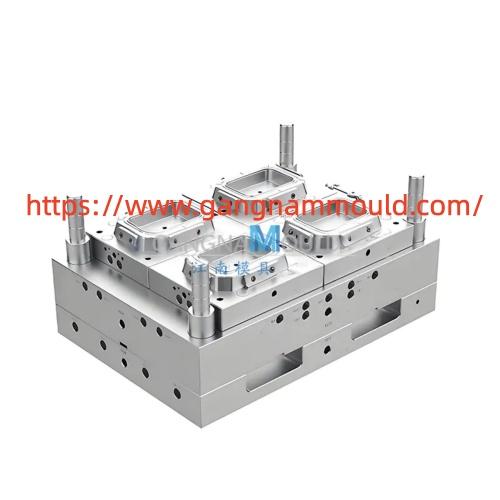
Thin Wall Box Mould development is closely connected to changing expectations in packaging design. Manufacturers today need packaging that supports convenient handling, practical storage, product presentation, and efficient transportation. At the same time, product developers must consider material behavior, structural strength, manufacturing processes, and tooling arrangements. These requirements make early engineering decisions an important part of turning a packaging concept into a finished product.
Packaging is no longer viewed only as an outer container. In retail, food distribution, household organization, and logistics, its design can influence how products are stored, displayed, transported, and handled. Customers often pay attention to details such as opening methods, stacking arrangements, surface appearance, and ease of cleaning. These everyday interactions can influence purchasing preferences and create different design requirements across industries.
Material selection is an important starting point. Plastic packaging manufacturers commonly evaluate polypropylene and other suitable resin options according to the intended application. Different materials have different flow characteristics, shrinkage behavior, stiffness, and impact performance. The choice should reflect the expected working environment and the functional requirements of the finished container.
Material decisions also affect the tooling development process. A resin with different flow behavior may require adjustments to the filling arrangement, gate position, and cooling strategy. Engineers need to consider how material moves through the cavity and whether the selected design can support consistent filling. Early coordination between material selection and tooling design can help reduce avoidable revisions during development.
One important consideration in lightweight packaging is the relationship between weight and structural performance. Reducing material usage requires more than simply making every wall thinner. The overall geometry, corner transitions, reinforcement features, and load distribution all influence how a container behaves during handling and transportation.
For example, a container intended for stacking may require carefully arranged support areas. The base and sidewall structures should work together to accommodate the expected application. Reinforcing ribs can provide additional structural support when incorporated appropriately, while well-planned corners can help distribute stress across different sections.
The opening and closing experience also deserves attention. Some packaging products need convenient access, while others require secure connections between the lid and body. The design of the rim, locking features, and contact surfaces can influence assembly and repeated use. Manufacturers should consider how these components interact during both production and everyday handling.
Stackability is another subject that attracts attention in packaging development. Retailers and distribution businesses often need containers that can be arranged in an orderly manner. A well-considered stacking structure can support storage organization and transportation planning. However, the design should also account for product removal, access, and the possibility of different loading conditions.
Surface appearance contributes to the overall product experience. Smooth finishes may suit food-related packaging, while textured surfaces can provide a different visual character or handling feel. Product developers may also consider branding areas, label placement, and color coordination. These details should be included in the original design discussion because they can influence cavity layout and surface finishing requirements.
From a manufacturing perspective, injection tooling requires careful attention to filling balance, cooling efficiency, venting, and ejection. Thin sections can make material flow and temperature management more challenging, especially when the product includes complicated shapes or integrated functional features. Engineers need to review the complete geometry rather than treating each wall or component as an isolated element.
Mould flow analysis can help evaluate potential filling behavior before production begins. It may provide useful information about flow patterns, weld lines, air traps, and possible deformation risks. These findings can support engineering discussions and guide adjustments to the product design or tooling arrangement. Simulation results should also be considered alongside practical manufacturing experience and material characteristics.
Cooling design is equally relevant because uneven temperature distribution may contribute to warpage or inconsistent product appearance. Cooling channels need to be considered in relation to the cavity geometry and the expected manufacturing process. Ejection arrangements also deserve attention, particularly when a product has broad surfaces or detailed internal structures.
For buyers, selecting a manufacturing partner requires a clear understanding of project requirements. Reviewing previous project experience, engineering communication, design support, tooling capabilities, and quality management practices can help buyers evaluate whether a supplier is suitable for their application. Sharing drawings, reference samples, and intended usage details can make technical discussions more productive.
Gangnam connects customer requirements with mould engineering and product development considerations. Its manufacturing approach focuses on understanding the intended packaging application, reviewing structural details, and coordinating tooling design with production needs. This helps create a practical starting point for customers developing customized packaging products.
As packaging requirements continue to change, manufacturers need to balance material usage, structural design, product appearance, and production feasibility. A carefully planned development process can help reduce unnecessary adjustments and support a more consistent manufacturing workflow. Businesses considering new packaging projects can visit https://www.gangnammould.com/ to review Gangnam manufacturing capabilities and discuss suitable tooling solutions. Connecting product concepts with engineering requirements at an early stage can help buyers move forward with clearer expectations for their packaging development projects.

 English
 Arabic
 Spanish
 Portuguese
 Deutsch
 Turkish
 Dutch
 Italiano
 Russian
 Romaian
 Portuguese (Brazil)
 Greek