


DHI Direct Hair Implant in Dubai vs FUE: Which Technique Suits Your Hair Loss?
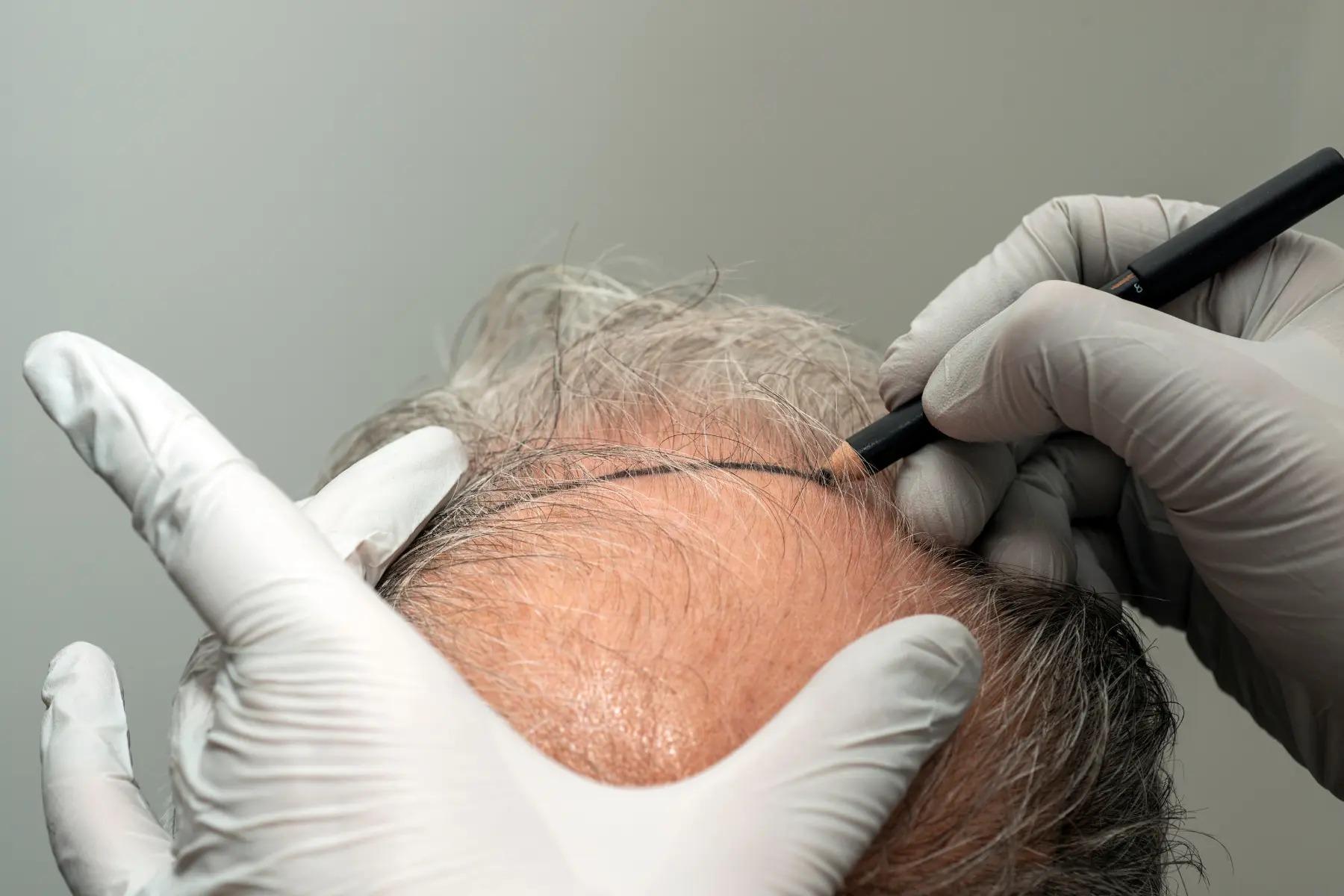
Hair loss usually develops gradually, and many people spend months noticing a receding hairline, thinning at the crown, or a general loss of volume before comparing treatment options. For readers weighing up modern transplant methods, DHI Direct Hair Implant in Dubai is often mentioned alongside follicular unit extraction, known as FUE. Both methods move healthy follicles from a donor area to areas of thinning, yet they differ in how grafts are placed. Understanding that difference helps readers ask better questions and avoid choosing a technique on the basis of its name alone.
In broad terms, the two methods share more than they differ. Both rely on careful extraction of individual follicular units, usually from the back and sides of the scalp, and both require detailed planning of the hairline, graft angle, direction, and spacing. The main distinction lies in implantation. With DHI, each graft is loaded into a specialised implanter pen and placed directly into the scalp in a single movement, without separate channels being opened first. With conventional FUE, small channels are generally created first, and grafts are then placed into those prepared sites.
Neither technique suits every person, and neither should be chosen without a proper assessment. The right choice depends on the pattern and extent of loss, donor supply, hair thickness and curl, general health, and long-term goals. A method well suited to refining a hairline or filling a smaller area may not be the most practical plan for extensive thinning. This guide explains how DHI works, how it compares with FUE, what happens on the day of the procedure, and how to assess a provider, so readers can approach a consultation with realistic expectations.
How DHI Works and How It Differs From FUE
DHI begins in much the same way as FUE. After assessment and planning, individual follicular units are extracted one by one using a small punch instrument. Each unit may contain one to four hairs, and the extraction pattern must be planned carefully so the donor area continues to look natural and is not over-harvested. In DHI, each graft is loaded into a hollow implanter pen, often called a Choi pen, and the practitioner uses the pen to create the implantation site and place the graft in one controlled movement. The pen allows control of depth, angle, and direction for each graft, which matters most along the hairline.
In conventional FUE, extraction is similar, but implantation follows a two-stage pattern. Small channels are first opened in the recipient area, with their angle, direction, and spacing decided in advance. Grafts are then inserted into those channels, usually with fine forceps. In practice, the quality of the design, the handling of grafts, and the experience of the person placing them matter more than the label attached to the method. Readers should enquire who performs each stage and how grafts are handled and stored, rather than assuming one instrument alone determines the outcome.
Several differences are often discussed when the two methods are compared. One is graft handling, since DHI places the graft directly from the pen, so supporters argue grafts experience less manipulation with forceps. Another is control over placement, which can help with detailed work and blending new hair with existing hair. A third is shaving. Some DHI procedures involve limited shaving or no shaving of the recipient area, which some people prefer for discretion during early recovery. Practices vary, however, and shaving needs depend on the size of the area, hair length and style, and the practitioner's approach. Patients should ask directly what shaving will be needed in their own case.
Healing and early recovery are broadly comparable, although individual experiences vary. Both methods involve small wounds in the donor and recipient areas. Redness, mild swelling, tenderness, and small scabs around the grafts are common at first, and most people are advised to avoid touching, scratching, or washing the area aggressively until told it is safe. Session size, personal healing, adherence to aftercare, and general health all affect recovery, and patients should confirm when normal washing and exercise can resume.
Honest limits apply to both techniques and should shape every decision. Donor supply is finite. Only a limited number of grafts can safely be taken without visibly thinning the donor area, and that limit sets a ceiling on the density achievable in one session or across several sessions. Transplanted hair does not stop natural loss in surrounding hair, so a person whose thinning is still progressing may need a longer-term plan. Results also take months to develop. Transplanted hairs commonly shed in the weeks after the procedure before new growth begins, and the final appearance develops gradually over many months. Anyone promised an immediate, complete, or guaranteed result should treat that claim with caution.
What Happens on the Day of the Procedure and During Early Recovery
A procedure day usually begins with a final assessment and a discussion of the agreed plan. The practitioner reviews the hairline design or area to be treated, checks the donor area, and confirms the number of grafts planned and their distribution. Local anaesthesia is normally used to numb the donor and recipient areas, so the person remains awake. Extraction then proceeds carefully, graft by graft, and depending on session size the procedure can take several hours, with breaks as needed. Readers should enquire how long their session is expected to last and what to arrange for the day, including transport home.
Once extraction is complete, implantation begins. In DHI, grafts are loaded into implanter pens and placed directly, with the practitioner working methodically across the planned area to maintain even spacing and a natural direction of growth. At the end of the procedure the scalp is checked, and written aftercare instructions are normally provided. Patients should understand those instructions before leaving, including how to sleep, how to protect the grafts, and whom to contact with concerns in the first few days. Washing is usually reintroduced gradually with a very gentle technique. Shedding in the following weeks can be unsettling, but it is a recognised part of the process for many people. If redness, swelling, pain, or discharge worsens rather than improves, or if fever develops, patients should seek prompt medical advice.
How to Choose the Right Clinic for DHI Direct Hair Implant in Dubai
Choosing a provider matters as much as choosing the technique. A careful, unhurried consultation, clear explanations, and an honest discussion of limits are better signs than confident promises or pressure to decide quickly. The points below offer a practical framework for comparing providers and preparing questions. They are not a substitute for medical advice.
Experience and Qualifications
Patients should enquire about the qualifications and experience of the practitioner leading the procedure, including specific experience with DHI and the implanter pen. It is reasonable to ask how long the practitioner has performed transplant procedures, how often DHI is carried out, and who performs each part of the procedure. Experience with different hair types, hairlines, and stages of loss is also relevant, because a natural result depends on judgement as well as technical skill.
Technique and Technology
A reputable provider should explain why a particular technique is recommended for the individual case, rather than presenting one method as suitable for everyone. Patients should ask how DHI compares with FUE for their pattern of loss, donor supply, and goals, and what trade-offs each option involves. It is sensible to enquire about the instruments used, whether implanter pens are single-use, and how grafts are stored during the session.
Safety and Hygiene Standards
Safety and hygiene are fundamental to any procedure involving small wounds in the scalp. Patients should ask about sterilisation practices, single-use instruments where appropriate, the cleanliness of the treatment room, and protocols to reduce the risk of infection. A thorough medical history should be taken beforehand, including allergies, medicines, and previous scalp treatments. The provider should also explain what happens if complications arise and what signs should prompt urgent contact.
Consultation and Assessment
A good consultation is detailed and personalised. It should include an examination of the scalp and donor area, a discussion of the history and progression of loss, and an assessment of hair thickness, density, and curl. The practitioner should discuss whether loss may still be progressing, whether further assessment for underlying causes is advisable, and whether a transplant is appropriate now or whether waiting would be wiser. Patients should be given time to consider the plan, including graft numbers and the possibility of more than one session.
Follow-up and Aftercare
Follow-up care is an essential part of the overall service, not an optional extra. Patients should confirm what follow-up appointments are included, how often they will be reviewed, and how concerns can be raised between appointments. Written aftercare instructions should cover washing, sleeping, sun protection, activity restrictions, and the normal stages of healing and shedding, as well as warning signs needing prompt attention.
Expected Results and Limitations
Honest discussion of results is one of the clearest signs of a trustworthy provider. Patients should ask what density can realistically be achieved with the available donor supply, how the result is likely to look at different stages, and what limitations apply in their own case. No practitioner can guarantee a specific outcome, because healing, graft survival, and future loss vary from person to person. The conversation should cover possible further sessions and the need for a long-term plan.
Frequently Asked Questions
What is the main difference between DHI and FUE?
The main difference lies in implantation. In DHI, grafts are placed directly using an implanter pen, which creates the site and places the graft in one movement. In conventional FUE, small channels are usually opened first, and grafts are then placed into those prepared sites. The result depends on planning, graft handling, and practitioner skill as well as technique.
Does DHI always avoid shaving the head?
No, it does not always avoid shaving. Some DHI procedures involve limited shaving or no shaving of the recipient area, but needs vary with the size of the area, hair length and style, and the practitioner's approach. Patients should ask what shaving will be needed in their own case, rather than assuming a particular outcome in advance.
How long does it take to see results after DHI?
Results develop gradually over many months. Transplanted hairs often shed in the weeks after the procedure, and new growth then emerges slowly before thickening and blending with existing hair. The pace varies from person to person, and follow-up reviews help monitor progress. Patients should discuss the expected timeline during consultation.
Is DHI suitable for extensive hair loss?
It can be considered in some cases of extensive loss, but donor supply and long-term planning become especially important. Only a limited number of grafts can safely be taken, and covering a large area to high density may not be possible in one session. The practitioner should assess the donor area and explain whether staged sessions or a different plan would be more appropriate.
Can transplanted hair be affected by future hair loss?
Transplanted hair is generally taken from areas more resistant to common patterns of loss, but surrounding natural hair may continue to thin over time. That ongoing change can affect the overall appearance and may require a longer-term plan. Patients should ask how future loss will be monitored and whether further sessions might be needed later.
Conclusion
DHI and FUE both offer established ways to redistribute existing hair, and the choice between them should rest on individual assessment rather than preference for a particular name or instrument. DHI offers direct control of placement through the implanter pen, which can be valuable for detailed work, while FUE offers a widely used approach in which the recipient pattern is prepared before grafts are placed. Donor supply, hair characteristics, practitioner experience, careful planning, and realistic expectations shape the result far more than any single feature of the technique.
Anyone considering treatment should take time to research, compare providers carefully, and prepare questions about experience, safety, aftercare, and long-term planning before deciding. A thorough consultation, a clear written plan, and an open discussion of what can and cannot be achieved provide a much stronger foundation than a hurried choice based on promotion alone. For further reading on healing and growth after this method, this guide to DHI Direct Hair Implant offers a month-by-month overview that complements the comparison above and helps readers understand why patience and follow-up matter in the months that follow a procedure.

 English
 Arabic
 French
 Spanish
 Portuguese
 Deutsch
 Turkish
 Italiano
 Russian
 Romaian
 Portuguese (Brazil)
 Greek