


Sclerotherapy in Dubai: Explore Effective Solutions for Visible Veins
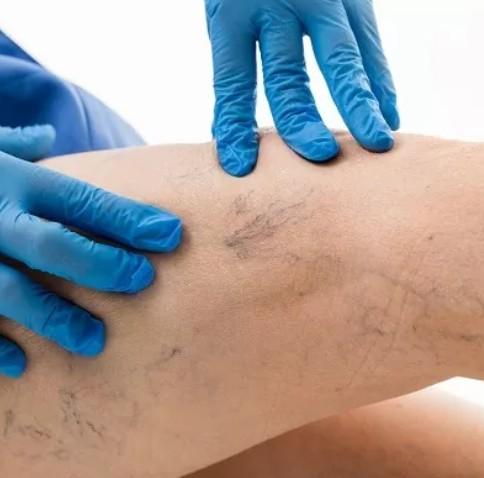
Visible veins, spider veins, and small varicose veins can affect the appearance of the legs and sometimes cause discomfort, heaviness, or aching. Modern aesthetic and vascular treatments offer several ways to improve the appearance of these veins while supporting better vein health. One widely used treatment is sclerotherapy, a minimally invasive procedure designed to reduce the visibility of unwanted veins through a specialised injectable solution.
Dubai has become a popular destination for individuals seeking advanced vein treatments, experienced medical professionals, and personalised care. With appropriate assessment and modern treatment techniques, patients can explore solutions suited to their vein concerns and aesthetic goals.
Understanding how sclerotherapy works, who may benefit from it, and what to expect during treatment can help individuals make informed decisions about their care.
Understanding Sclerotherapy and Its Role in Vein Treatment
Sclerotherapy is a minimally invasive medical procedure used to treat spider veins, reticular veins, and selected small varicose veins. It involves injecting a specialised solution, known as a sclerosant, directly into the targeted vein. This solution irritates the inner lining of the vein, causing its walls to close and gradually allowing the body to absorb the treated vessel.
Over time, the treated veins become less visible, creating a smoother and more even appearance of the affected skin.
The procedure is commonly performed on the legs, although certain other superficial veins may also be suitable for treatment depending on their location and characteristics.
Why Consider Sclerotherapy in Dubai?
Choosing Sclerotherapy in Dubai allows patients to explore modern vein treatment options in a healthcare environment that offers specialised consultations and advanced medical facilities.
Several factors make Dubai an attractive destination for individuals considering this procedure.
Access to Modern Treatment Approaches
Modern sclerotherapy techniques allow medical professionals to target specific veins with precision. Depending on the patient's condition, practitioners may recommend liquid sclerotherapy or foam sclerotherapy.
Liquid solutions are generally used for smaller superficial veins, while foam formulations may be suitable for certain larger veins because they provide greater contact with the vein walls.
Personalised Treatment Planning
Every patient's vein concerns are different. Some individuals have fine spider veins, while others experience larger visible veins or multiple affected areas.
A personalised treatment plan considers the size, location, appearance, and underlying condition of the veins. This approach helps determine the most appropriate technique and the number of sessions required.
Professional Medical Assessment
A thorough consultation helps identify the nature of the visible veins and establish whether sclerotherapy is an appropriate option. Medical professionals may also recommend a Doppler ultrasound examination to assess blood flow and identify underlying venous problems when clinically indicated.
How Does Sclerotherapy Work?
Sclerotherapy works by introducing a specialised solution into the targeted vein, encouraging the vessel to close and gradually disappear from view.
Step 1: Initial Consultation
The treatment process begins with an assessment of the patient's vein concerns, medical history, and aesthetic expectations. The practitioner examines the affected areas and determines whether additional investigations are necessary.
Step 2: Identifying the Targeted Veins
The veins selected for treatment are carefully identified. Depending on their size and location, the practitioner chooses an appropriate sclerosant and injection technique.
Step 3: Administering the Solution
A fine needle is used to inject the sclerosant directly into the targeted vein. The solution causes the vein walls to react and gradually seal together.
Step 4: Natural Absorption
Once the vein closes, blood flow is redirected through healthier veins. The body gradually absorbs the treated vessel, making it less noticeable over time.
Step 5: Follow-Up Assessment
A follow-up appointment allows the practitioner to evaluate the treatment response and determine whether additional sessions may improve the results.
Which Vein Conditions Can Sclerotherapy Address?
Sclerotherapy is primarily used for selected superficial veins. Its suitability depends on the characteristics of the affected vessels and the patient's overall venous health.
Spider Veins
Spider veins are small, thin blood vessels that appear close to the skin's surface. They often have red, blue, or purple colouring and may resemble delicate branches or web-like patterns.
Sclerotherapy can help reduce their visibility by closing the targeted vessels.
Reticular Veins
Reticular veins are slightly larger superficial veins that often appear blue or green beneath the skin. They may contribute to the appearance of surrounding spider veins.
Treatment can improve their appearance when they are suitable for injection therapy.
Selected Small Varicose Veins
Some small varicose veins can also be treated with sclerotherapy. However, larger or deeper veins may require a different treatment approach after proper vascular assessment.
Types of Sclerotherapy Treatments Available
Different sclerotherapy techniques are used according to the size, location, and characteristics of the targeted veins.
Liquid Sclerotherapy
Liquid sclerotherapy involves injecting a liquid sclerosant directly into small superficial veins. It is commonly used for spider veins and certain reticular veins.
The practitioner carefully selects the solution and injection technique according to the treatment area.
Foam Sclerotherapy
Foam sclerotherapy uses a specially prepared foam solution that comes into contact with the inner walls of the targeted vein.
It may be recommended for certain larger superficial veins and selected varicose veins. Ultrasound guidance can help practitioners visualise the targeted vessels during treatment.
Ultrasound-Guided Sclerotherapy
For veins that are not easily visible on the skin's surface, ultrasound guidance can help identify their location and monitor the injection process.
This technique is particularly useful when treating selected deeper superficial veins.
Who Is an Ideal Candidate for Sclerotherapy?
Sclerotherapy may be suitable for adults who want to improve the appearance of spider veins, reticular veins, or certain small varicose veins.
Potential candidates generally include individuals who:
- Have visible spider veins on their legs.
- Want to reduce the appearance of superficial reticular veins.
- Have selected small varicose veins suitable for injection treatment.
- Prefer a minimally invasive approach to treating unwanted veins.
- Have realistic expectations about the treatment process and results.
- Can follow the recommended aftercare instructions.
A medical consultation is essential to determine suitability. Individuals with certain underlying venous conditions may need additional evaluation or alternative treatment options.
What to Expect During a Sclerotherapy Session
Sclerotherapy is generally performed as an outpatient procedure, meaning patients can usually return home shortly after treatment.
Before the Procedure
Before treatment, the practitioner examines the veins and discusses the patient's medical history, medications, and treatment goals.
Patients may receive instructions regarding clothing, skincare products, and other preparations. Wearing comfortable clothing can make the treatment appointment easier.
During the Procedure
The treatment area is cleaned, and the selected veins are injected using a fine needle. The number of injections depends on the size and number of veins being treated.
The procedure usually takes between 15 and 45 minutes, although the duration varies according to the treatment area and complexity.
After the Procedure
Patients are generally encouraged to walk shortly after treatment. Compression stockings may be recommended depending on the treated veins and the practitioner's instructions.
Most individuals can resume their regular daily activities relatively quickly, while strenuous exercise and other activities may need temporary adjustment.
What Results Can You Expect from Sclerotherapy?
Sclerotherapy results develop gradually as the treated veins close and the body absorbs them.
Smaller veins may begin showing improvement within several weeks, while larger treated veins can take a few months to become less visible.
The final outcome depends on several factors, including:
- The size and number of treated veins.
- The type of sclerosant used.
- The patient's individual healing response.
- The presence of underlying venous conditions.
- The number of treatment sessions required.
- Following the recommended aftercare plan.
Some patients achieve their desired improvement after one session, while others may require multiple appointments to address different areas.
It is also important to understand that sclerotherapy treats existing targeted veins but does not prevent new spider veins or varicose veins from developing in the future.
Best Sclerotherapy In Dubai: Choosing the Right Clinic
Finding Best Sclerotherapy in Dubai involves looking beyond convenience and considering the quality of medical assessment, treatment expertise, and personalised care.
Selecting an appropriate clinic is an important part of achieving satisfactory treatment outcomes.
Importance of Experienced Medical Professionals
Vein treatment requires an understanding of vascular anatomy, circulation, and the different characteristics of superficial veins.
An experienced medical professional can evaluate the affected vessels and recommend an appropriate treatment technique based on individual needs.
Advanced Diagnostic Facilities
Access to suitable diagnostic equipment, including Doppler ultrasound when necessary, can help identify underlying venous problems and support accurate treatment planning.
Individualised Treatment Approach
A reputable clinic should provide recommendations based on the patient's vein condition rather than offering the same treatment plan to everyone.
The consultation should explain the proposed procedure, expected results, number of sessions, and aftercare requirements.
Why Choose EV Clinic Dubai for Sclerotherapy?
EV Clinic Dubai is the reference point for individuals exploring specialised vein treatment options in Dubai. Patients considering sclerotherapy should prioritise a clinic that emphasises appropriate assessment, clear treatment planning, and individualised medical care.
When exploring treatment at EV Clinic Dubai, patients should discuss their vein concerns and expectations during the initial consultation.
Important aspects to discuss include:
- Whether the visible veins are suitable for sclerotherapy.
- Whether ultrasound assessment is recommended.
- Which injection technique is appropriate.
- How many treatment sessions may be required.
- What results can reasonably be expected.
- Which aftercare instructions should be followed.
Understanding these details helps patients make informed decisions and approach their treatment with realistic expectations.
Sclerotherapy Cost In Dubai: Understanding Treatment Pricing
The Sclerotherapy Cost in Dubai can vary depending on several factors. There is no single price that applies to every patient because treatment requirements differ according to the number, size, and location of the veins.
Factors That Influence Treatment Cost
- Number of Veins: Patients with several visible veins may require more injections and additional treatment time.
- Treatment Area: Treating a small area may involve a different treatment plan and cost compared with addressing multiple areas of the legs.
- Type of Sclerotherapy: Liquid, foam, and ultrasound-guided techniques may have different pricing structures depending on the complexity of treatment.
- Number of Sessions: Some patients need multiple sessions to achieve their desired cosmetic improvement.
- Initial Assessment: Consultation fees and any recommended diagnostic examinations may also contribute to the overall treatment expense.
How to Understand Your Treatment Estimate
Before proceeding, patients should request a personalised quotation that clearly explains what is included.
It is helpful to ask whether the estimate covers the consultation, ultrasound assessment when required, injections, follow-up appointments, and compression garments if recommended.
A personalised estimate provides a clearer understanding of the overall treatment investment.
Recovery and Aftercare Following Sclerotherapy
Following the recommended aftercare instructions can support recovery and help optimise treatment results.
Stay Physically Active
Walking is generally encouraged after sclerotherapy because gentle movement supports healthy circulation. Patients should follow their practitioner's recommendations regarding exercise intensity.
Wear Compression Stockings When Recommended
Compression stockings may be advised to support the treated veins and improve treatment outcomes. Their recommended duration depends on the treatment technique and individual circumstances.
Protect the Treated Skin
Patients should follow medical advice regarding sun exposure and skincare. Protecting treated areas from excessive sunlight can help reduce the likelihood of pigmentation changes.
Attend Follow-Up Appointments
Follow-up visits allow the practitioner to assess how the treated veins are responding and determine whether additional treatment is appropriate.
How Many Sclerotherapy Sessions Are Required?
The number of sessions varies according to the extent of the visible veins and the patient's treatment goals.
Individuals with a few small spider veins may need fewer sessions than those with widespread vein patterns or multiple affected areas.
During the consultation, the practitioner evaluates the treatment area and provides an estimated schedule. Additional appointments may be recommended to achieve more complete cosmetic improvement.
Allowing sufficient time between sessions also helps the practitioner assess the response to previous injections before proceeding with further treatment.
Frequently Asked Questions About Sclerotherapy in Dubai
1. Is sclerotherapy a minimally invasive procedure?
Yes. Sclerotherapy is a minimally invasive procedure that involves injecting a specialised solution directly into targeted superficial veins without requiring surgical incisions.
2. How long does a sclerotherapy appointment take?
A typical appointment may take approximately 15 to 45 minutes, depending on the number of veins being treated and the complexity of the procedure.
3. When will I notice the results of sclerotherapy?
Results develop gradually. Smaller veins may improve within several weeks, while larger veins can require a few months to show their final response.
4. Can sclerotherapy treat spider veins?
Yes. Sclerotherapy is a commonly used treatment for spider veins and selected reticular veins, particularly those appearing on the legs.
5. Is one session enough to achieve the desired results?
Some patients achieve satisfactory improvement after one session, while others require multiple treatments depending on the number and size of the veins.
6. Can I return to normal activities after treatment?
Most patients can resume routine daily activities shortly after treatment. Walking is generally encouraged, although certain exercises and activities may need temporary modification according to medical advice.
7. How much does sclerotherapy cost in Dubai?
The cost depends on the treatment area, number of veins, injection technique, and number of sessions. A personalised consultation is the best way to receive an accurate estimate.
8. Does sclerotherapy permanently remove treated veins?
Successfully treated veins generally close and are gradually absorbed by the body. However, new veins may develop over time, so future treatments may sometimes be needed.
Conclusion: Explore Modern Vein Treatment with Sclerotherapy in Dubai
Sclerotherapy offers an effective, minimally invasive option for individuals seeking to reduce the appearance of spider veins, reticular veins, and selected small varicose veins. By targeting unwanted superficial vessels, this treatment can help create a smoother-looking skin appearance while supporting healthier blood circulation through alternative veins.
Choosing the right treatment begins with an accurate medical assessment, an understanding of available techniques, and realistic expectations about the results. Individuals exploring Sclerotherapy In Dubai should consider personalised treatment planning and professional medical guidance.
With appropriate consultation and a tailored approach at EV Clinic Dubai, patients can explore suitable vein treatment options and take an informed step towards improving the appearance of visible veins.

 English
 Arabic
 French
 Spanish
 Portuguese
 Turkish
 Dutch
 Italiano
 Russian
 Romaian
 Portuguese (Brazil)
 Greek