


Gutter Machines: Profile Tooling, Machine Setup, and Production Accuracy
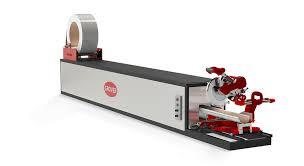
Gutter machines are specialized roll-forming systems used to manufacture continuous metal gutters for residential, commercial, and industrial drainage applications. They allow manufacturers and contractors to produce gutter sections in selected profiles and lengths using metal coils. However, producing consistent gutters requires more than simply feeding material into a machine. Tooling condition, roller alignment, material compatibility, and machine adjustments all influence the quality of the finished product.
Understanding how gutter machine tooling works can help businesses maintain production accuracy, reduce material waste, and achieve more consistent results across different projects.
What Are Gutter Machines?
Gutter machines use a series of forming rollers to gradually shape flat metal coil into a gutter profile. Unlike pre-cut gutter sections that require multiple joints along a roofline, seamless gutter equipment can produce continuous lengths according to project measurements.
A typical gutter machine may include:
-
Coil holder: Supports the metal coil and allows controlled material feeding.
-
Entry guides: Direct the material into the forming section.
-
Forming rollers: Shape the flat metal into the required gutter configuration.
-
Drive system: Moves the material through the machine.
-
Cutting system: Produces sections at specified lengths.
-
Control system: Helps operators manage production settings.
-
Support equipment: Holds and guides the finished gutter as it exits the machine.
The configuration varies depending on the machine model, gutter profile, and manufacturing requirements.
Understanding Gutter Machine Tooling
Tooling refers to the components that shape the metal as it moves through the machine. In roll-forming equipment, these components are designed to create a specific profile through a sequence of controlled forming operations.
The shape and condition of the tooling have a direct influence on the finished gutter.
Roller Design
Each roller station performs part of the forming process. The material gradually changes shape as it passes through the stations until it reaches the intended gutter configuration.
Roller geometry must match the machine's intended profile. Incorrect or damaged rollers can contribute to uneven bends, surface marks, and dimensional inconsistencies.
Profile-Specific Tooling
Different gutter designs require different forming configurations. A machine designed for one profile may not automatically produce another.
Before purchasing or changing tooling, confirm compatibility with the machine model, material specifications, and required gutter dimensions.
Tooling Material and Finish
Rollers must withstand repeated contact with metal coil. Their construction and surface condition influence durability and the potential for marking the finished material.
Regular inspection helps identify wear, contamination, or damage that could affect production quality.
Common Gutter Profiles and Their Production Requirements
Gutter machines are available for several common gutter configurations. The appropriate profile depends on building design, drainage requirements, and customer preferences.
K-Style Gutters
K-style gutters are widely used in residential and commercial buildings. Their decorative front profile provides a finished appearance while creating a channel for collecting roof runoff.
Producing this profile requires forming equipment designed for its specific contours and dimensions.
Half-Round Gutters
Half-round gutters have a curved channel shape. They are commonly selected for traditional architectural designs and certain residential or commercial applications.
The forming process must create a consistent curved profile without flattening or distorting the material.
Box Gutters
Box gutters are typically associated with larger or specialized drainage applications. Their dimensions and construction requirements may differ from standard residential gutter systems.
Equipment selection should account for the intended profile and material specifications.
How Machine Adjustments Influence Production Accuracy
A gutter machine must be configured correctly to produce consistent sections. Even small setup differences can affect the appearance and dimensions of the finished gutter.
Entry Guide Position
The entry guides help direct the coil into the forming section. If the material enters at an incorrect angle, the finished profile may become distorted or uneven.
Roller Alignment
Forming rollers should remain aligned according to the machine manufacturer's specifications. Incorrect alignment can create inconsistent bends, uneven edges, or unwanted deformation.
Material Feeding
Consistent feeding is important for maintaining profile quality. Coil positioning, material thickness, and feeding conditions should match the equipment's operating requirements.
Cutting Settings
The cutting system must produce accurate lengths without damaging the gutter ends. Operators should verify measurement settings and inspect test sections before beginning a production order.
Selecting the Right Metal Coil for Gutter Production
Material compatibility is an important part of gutter manufacturing. Gutter machines may support different metals, but not every machine can process every material or thickness.
Common material options include:
Aluminum: Lightweight and frequently used in residential seamless gutter systems. It is available in different finishes and colors.
Galvanized steel: Steel with a protective zinc coating. Its suitability depends on coating specifications, environmental exposure, and machine compatibility.
Galvalume steel: Steel coated with an aluminum-zinc alloy. It is used in various metal building applications, including certain gutter systems.
Copper: Selected for specialty architectural projects where appearance and material characteristics are important. Equipment must be suitable for the particular material.
Before production, confirm the coil width, thickness, temper, coating, and other material requirements specified by the machine manufacturer.
Maintaining Gutter Machine Tooling
Tooling maintenance helps preserve forming accuracy and reduces the likelihood of avoidable production defects. Rollers and guides should be inspected according to the manufacturer's maintenance schedule.
A useful inspection routine includes:
-
Checking rollers for scratches, wear, and visible damage.
-
Removing dust and metal debris from contact surfaces.
-
Inspecting guides for alignment and movement.
-
Checking mechanical connections and mounting points.
-
Confirming that lubrication requirements are met.
-
Examining cutting blades for wear.
-
Recording recurring production problems.
Cleaning methods should be appropriate for the roller materials and machine design. Abrasive tools or unsuitable chemicals may damage working surfaces.
Common Gutter Production Problems
Manufacturers may encounter quality issues when machine settings, material conditions, or tooling are not suitable.
Uneven Gutter Shape
An inconsistent profile may indicate roller misalignment, incorrect setup, or material feeding problems. Check the forming sequence and verify that the tooling matches the required profile.
Wavy or Distorted Edges
Wavy edges can develop when the material is not guided or formed consistently. Coil condition, guide positioning, and roller adjustment should be reviewed.
Scratches on the Finished Surface
Surface marks may result from debris, damaged rollers, or contact with unsuitable handling equipment. Inspect the material path and clean the relevant components using approved procedures.
Incorrect Gutter Dimensions
Dimensional differences may be associated with material specifications, forming adjustments, or measurement errors. Compare the finished product with the required specifications and review the machine setup.
Inaccurate Cutting
Incorrect section lengths may result from measurement settings or cutting-system issues. Verify the control settings and inspect the cutting mechanism before continuing production.
How to Choose a Gutter Machine for Your Business
Choosing gutter equipment requires an understanding of the products a business intends to manufacture and the type of customers it serves.
Consider the following factors before purchasing:
-
Required gutter profiles: Identify whether the business needs K-style, half-round, or other specialized profiles.
-
Material compatibility: Confirm which metals, coil widths, and thicknesses the machine can process.
-
Production capacity: Evaluate the expected workload and the machine's operating capabilities.
-
Tooling options: Check whether additional profiles or replacement tooling are available.
-
Portability: Decide whether a stationary workshop machine or mobile production setup is more appropriate.
-
Control features: Review available measuring, cutting, and operating controls.
-
Technical support: Consider installation assistance, training, spare parts, and maintenance services.
The best machine is one that matches the business's actual production requirements rather than simply offering the largest number of features.
Frequently Asked Questions
What does tooling do in a gutter machine?
Tooling shapes flat metal coil into the required gutter profile. Forming rollers gradually create the bends and contours needed for the finished product.
Can one gutter machine produce K-style and half-round gutters?
Some equipment supports different profiles through compatible tooling or machine configurations. However, not every machine can produce both designs. Confirm compatibility before purchasing.
How often should gutter machine rollers be inspected?
Inspection frequency depends on production volume, material type, and manufacturer recommendations. Regular checks help identify wear, contamination, and alignment issues.
Which metal is commonly used in seamless gutter production?
Aluminum is widely used for seamless residential gutters. Steel and copper are also used in applications where their specific material characteristics meet project requirements.
What causes uneven gutters during production?
Potential causes include roller misalignment, incorrect guide positioning, unsuitable material specifications, and inconsistent feeding conditions.
Why is material compatibility important?
Using material outside the machine's specified range can affect forming quality, increase equipment stress, and contribute to production problems.

 English
 French
 Spanish
 Portuguese
 Deutsch
 Turkish
 Dutch
 Italiano
 Russian
 Romaian
 Portuguese (Brazil)
 Greek