


Vet Clinic Marketing Strategies to Attract More Pet Owners
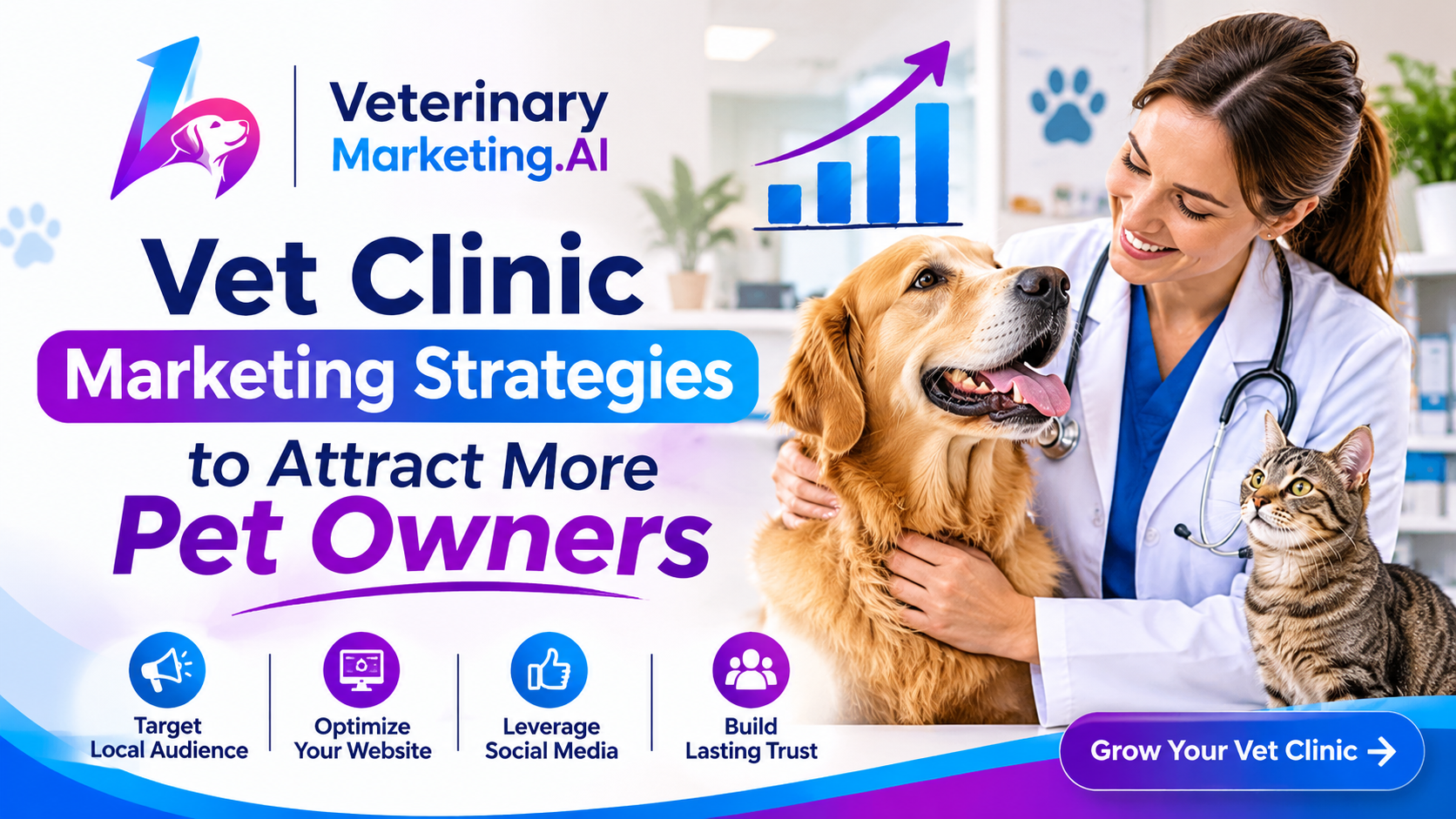
Choosing how to bring in new pet owners can be harder than it looks because so many options seem worthwhile. A clinic can invest in a website, local search, reviews, ads, social media, and educational content, and each one promises more calls. This guide explains how vet clinic marketing works so you can see where each strategy helps and where it does not. It covers pet owner behavior, your website, local search, content, AI search tools, reviews, ads, social media, cost, and tracking. It ends with a simple way to decide where your clinic should start.
The Quick Answer
Pet owners usually find a clinic through search results and map listings first and then check reviews and the website before they call. The strategies that matter most are a complete Google Business Profile, a clear website with a page for each service, a steady flow of reviews, and helpful content that answers common questions. Ads add speed and social media adds familiarity. Tracking calls and appointment requests shows which of these efforts is actually working.
If your clinic has a slow website or very few reviews that is the best place to begin. If those basics are already strong and you want faster volume an ad campaign for one service you want to grow may be the next step. The sections below explain why.
How Pet Owners Choose a Clinic
What Starts the Search
A pet owner looking for a new clinic usually has a specific reason. They may have just moved, adopted a puppy or kitten, or lost confidence in their current clinic after a change in hours or staff. Some searches begin in a stressful moment such as a dog that ate something unusual at night. These urgent searches behave very differently from a routine search for a wellness exam, and clinics that appear in both kinds of results tend to earn the most new clients.
What Owners Check Before Calling
The search almost always starts on a phone with a short phrase like "vet near me" or "dog vaccinations in Phoenix." The owner looks at the first few listings and checks the star rating and the number of reviews. They then open a website to confirm services and hours before deciding to call or request an appointment. A clinic can win or lose that new client at any of these steps. Every strategy in this guide supports one of them.
Website Basics That Turn Visitors Into Appointments
What a Strong Clinic Website Includes
Every marketing effort eventually leads back to your website. A pet owner who clicks an ad or finds you on a map will land on your site and decide within seconds whether to stay. A strong clinic website loads quickly on a phone and shows the address, phone number, and hours near the top of every page. It offers an obvious button to call or request an appointment and gives each major service its own page.
Why Service Pages Need Real Detail
Many clinic sites describe a service in a single line, which is not enough for search engines or for pet owners. A dental care page should explain what a cleaning involves, why dental disease matters for a pet's health, and which signs owners should watch for at home. Good marketing for vets starts with how owners actually read online. That means short paragraphs, plain headings, and everyday language in place of medical terms that leave owners guessing. A short section that explains what to expect at a first visit helps nervous owners feel ready to book.
Local Search and Your Google Business Profile
Earning a Spot on the Map
Almost every client comes from within a few miles of your clinic, which makes local search one of your most valuable channels. When someone searches for a vet nearby Google often shows a map with three listings at the top of the page. Those three listings receive a large share of the calls and clicks. Your Google Business Profile is the main tool for earning one of those spots, so it needs accurate categories, a full list of services, and current hours including holiday changes. Recent photos of your exterior, exam rooms, and team also help.
Keeping Listings Consistent
Consistency outside Google matters as well. Directories such as Yelp and Healthgrades should show the same name, address, and phone number that appear on your website. Small differences such as "Street" versus "St." can confuse search engines and weaken trust in your listing. A quick audit once or twice a year catches most of these problems before they affect your rankings.
Search Optimization for Veterinary Clinics
Reaching Owners Before They Choose
Local listings capture people who are ready to call, while search optimization also reaches people who are still asking questions. Owners type searches like "why is my dog scratching" long before they pick a clinic, and a website that answers those questions earns trust early. Effective veterinary seo marketing combines service pages that target appointment searches with blog articles that answer health questions. It also includes technical improvements that keep the site fast and local signals that connect your clinic to the neighborhoods you serve.
Planning Around the Seasons
Veterinary demand moves with the calendar, and good search work plans for it. Spring brings questions about ticks and heartworm prevention. Summer raises concerns about heat, travel, and boarding. Fireworks around July 4th send many owners looking for help with anxious pets, and winter brings more interest in senior pet care. Publishing helpful pages a few weeks before each season gives them time to rank. Most clinics see early movement within two to three months and stronger growth in calls over three to six months.
Educational Content and Blog Topics
Choosing Topics Owners Search For
Content turns your website into a resource that pet owners return to and recommend. Choose topics from the questions your front desk and veterinarians already hear every day. Examples include how to tell when a pet needs emergency care, what to expect at a puppy's first visit, and how to brush a dog's teeth. Write in plain language and explain medical terms when you use them.
Keeping Content Accurate and Sustainable
Have a veterinarian review every health article for accuracy and avoid advice about individual cases by inviting owners to call the clinic. One or two strong articles a month is a sustainable pace for most clinics. A small library of accurate and well organized articles will do more for your visibility than a long list of thin posts.
AI Search Tools and Your Clinic
How Owners Use AI Tools
A growing number of pet owners now ask questions to tools such as ChatGPT, Google AI Overviews, and Perplexity instead of scrolling through a list of links. They might ask for the best emergency vet in their area, and the tool pulls from sources across the web to build an answer. Clinics that appear in those answers gain visibility with owners who may never have visited a traditional search page.
What Helps a Clinic Appear
The habits that help in standard search also support AI visibility. Your website should explain services clearly, your business details should match across directories, and your reviews should be recent. Adding a frequently asked questions section to key service pages and publishing content a veterinarian has reviewed also helps. No one controls exactly what these tools show, but a clinic with a consistent online presence gives them more reason to mention it.
Online Reviews and Reputation
Asking for Reviews at the Right Moment
Reviews influence both pet owners and search rankings. A clinic with a few hundred recent reviews and a high rating looks established, while a clinic with very few reviews raises doubts even when the care is excellent. The most reliable way to collect reviews is to ask at the right moment. A short message after a visit with a direct link to your Google review page works well, and some clinics place a card with a QR code at checkout.
Responding to Positive and Negative Reviews
Avoid offering discounts or gifts in exchange for reviews because Google discourages the practice. Respond to reviews whenever you can by thanking positive reviewers and mentioning something specific. Reply to negative reviews calmly without sharing private patient details and offer to continue the conversation by phone. Prospective clients often judge a clinic more by how it responds to a complaint than by the complaint itself.
Paid Advertising on Google and Meta
Choosing the Right Offer
Paid ads can bring calls quickly. Google Ads place your clinic at the top of results for searches such as "emergency vet near me," and Meta ads can reach local pet owners on Facebook and Instagram who have not yet searched for a clinic. Ads work best when they promote one specific service or a new client offer and send visitors to a page built for that purpose. A busy homepage with many options often loses people who clicked for a single reason.
Targeting and Budget
Keep targeting close to home by limiting ads to the zip codes you can realistically serve. Start with a modest budget and review it every few weeks. Judge results by calls and appointment requests instead of clicks alone. Ads stop the moment the budget stops, while organic visibility builds slowly and lasts longer.
Social Media and Client Retention
Showing Your Team Online
Social media does not usually raise search rankings directly, but it builds familiarity that makes a first call easier. A pet owner who has seen your veterinarians and technicians on Facebook or Instagram feels more comfortable booking with people they recognize. Share team introductions, short educational tips, seasonal reminders, and happy patient stories with written client permission. Never share private client details and never give specific medical advice in comments. Two or three posts a week is a realistic routine.
Keeping Current Clients Engaged
Keeping current clients is often easier and less costly than finding new ones. Reminders for vaccines, dental cleanings, and parasite prevention bring clients back on schedule, and a quick follow up after surgery shows care. These small touches build loyalty and lead to more reviews and referrals. Working with local shelters, groomers, and trainers also creates referrals in both directions.
How the Channels Fit Together
Clinic owners sometimes treat website work, ads, social media, and reviews as separate projects, yet they perform better as one connected plan. Digital marketing for vet clinics usually brings together website design, local search, educational content, review requests, paid advertising, and reporting that connects the work to calls and appointments. A clinic does not need every piece on the first day. The goal is to find the biggest gap and address it before adding more channels.
Cost Considerations
What Affects Marketing Cost
Marketing costs are harder to pin down because they depend on your market, your goals, and how much work your team can handle in house. Website projects are usually priced once, while search work, content, and social media are ongoing. Ad spend is separate from any management fee and can be adjusted month to month. Treat any general pricing guide as a pattern and not a promise because your own quote is what counts.
Comparing Quotes Fairly
Do not compare prices alone. A low monthly fee that covers only a few posts may deliver less than a higher fee that includes local search, reviews, and reporting. Ask for a written scope that lists the monthly work, the ad budget, and any setup fees so you can compare equal offers.
Which Approach Fits Which Clinic
Matching Strategy to Clinic Type
A new clinic with few reviews should start with its Google Business Profile, its website, and a simple review routine. An established clinic with strong reviews may gain more from service pages and educational content that target the services it wants to grow. A clinic that offers emergency or after hours care can benefit from ads that capture urgent searches. A clinic in a crowded suburb may need a stronger local search plan to stand out from nearby competitors.
When a Clinic Sits in Between
Some clinics sit in between. A general practice with a growing dental service might build a detailed dental page and run a small ad campaign for it. In that case let your data decide. Look at which pages and posts generate calls and invest more in those.
Can You Run Ads and SEO Together
Running both is possible and often works well because they serve different timelines. Ads fill gaps while organic results develop, and organic results lower your dependence on ad spend over time. The key is to keep messages consistent. If an ad promises a new client exam the landing page should say the same thing and make booking easy. A mismatch between the two wastes budget and confuses visitors.
Tracking the Results That Matter
Outcomes Worth Tracking
Many reports focus on traffic and followers because those numbers are easy to collect, yet they do not show whether the clinic is growing. The outcomes worth tracking are phone calls from new clients, appointment requests submitted through the website, and direction requests from your Google Business Profile. Review count and rating over time also matter because they affect both trust and rankings.
Tools and Monthly Review
Call tracking and website analytics show which channels produce real contacts, and a simple question on your new client form about how they heard of you fills in the gaps. Digital marketing for vets should be judged by outcomes such as booked visits and new client inquiries and not by impressions alone. Review the numbers each month and adjust.
Common Mistakes
The Most Frequent Errors
The first mistake is spending on ads while the website is slow or unclear. The second is ignoring reviews for months at a time. The third is using different phone numbers or addresses across listings. The fourth is posting on five platforms and keeping none of them up to date. The fifth is expecting search optimization to deliver results in a few weeks.
Why These Problems Happen
Another common mistake is hiring an agency that reports only traffic and rankings, which makes it hard to see whether the work is producing appointments. Most of these problems come from trying to do too much without a plan or from measuring the wrong things. Fixing even a few of them can improve results without raising the budget.
Questions to Ask Before You Hire Help
Ask how many veterinary clinics the team currently serves. Ask how calls and appointment requests will be tracked. Ask what will happen in the first ninety days and who will manage your account. Ask how content is created and approved so that health information stays accurate. Confirm that your website, ad accounts, and Google Business Profile will belong to your clinic if the relationship ends. Request written answers so you can compare options on equal terms.
Working With a Veterinary Marketing Partner
Who VeterinaryMarketing.ai Serves
Many clinic owners do not have time to manage all of this alongside patient care. VeterinaryMarketing.ai is a New York City based agency that works only with veterinary clinics across the United States. Its services include website design, organic search, Google and Local Services Ads, Meta Ads, social media management, and AI search visibility. The team can review your current online presence and explain where the biggest gaps are so you can decide what to fix first.
What to Bring to a First Conversation
Bring a list of the services you want to grow, your current review count, and any call or booking numbers you already track. These details help any partner build a plan that fits your clinic and not a standard package.
Final Thoughts
Attracting more pet owners does not depend on one clever tactic. It comes from habits that support each other. A clear website gives visitors confidence, local search puts you in front of nearby owners, and reviews and content build trust. Ads add short term visibility and social media keeps your clinic familiar. Whether you manage digital marketing for vets yourself or with a partner, the order stays the same. Start with the gap that matters most and confirm what works through tracking. With those steps complete you can approach vet clinic marketing with a clear plan and build from there.
Frequently Asked Questions
Q: What is the most effective way to attract new pet owners to a clinic?
A: Local search visibility usually brings the fastest results. A complete Google Business Profile, recent reviews, and a clear website help nearby pet owners find and trust your clinic. Content and ads work best once this foundation is in place.
Q: How much should a clinic spend on marketing?
A: There is no single number because the right budget depends on your market, goals, and current visibility. Many clinics begin with website and search improvements then add ads. Track calls and appointments so each dollar can be measured.
Q: Is digital marketing for vet clinics better than traditional advertising?
A: Online channels are easier to measure and reach owners at the moment they search. Local sponsorships and referrals still add value for many practices. Most clinics do best when they combine both and track which sources produce booked appointments.
Q: How long does it take for veterinary seo marketing to work?
A: Most clinics notice early gains in rankings and traffic within two to three months. Stronger growth in calls and new patient requests often develops over three to six months and continues as content and reviews build over time.
Q: Should a clinic post on social media every day?
A: Daily posting is not necessary. Two or three useful posts each week are enough for most clinics. Accurate information and genuine team moments build more trust than frequent posting that fades after a few weeks and leaves the page quiet.

 English
 Arabic
 French
 Portuguese
 Deutsch
 Turkish
 Dutch
 Italiano
 Russian
 Romaian
 Portuguese (Brazil)
 Greek