


How Mechanical Extraction Tools Support Modern Automotive Repair
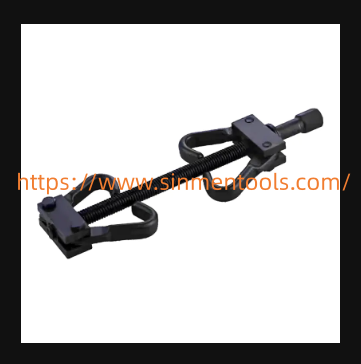
Automotive maintenance frequently involves removing components that have become tightly fitted through repeated operation, mechanical pressure, or long-term exposure to workshop and driving conditions. Gears, pulleys, bearings, and other assembled parts may require controlled extraction before inspection or replacement can take place. In these situations, a Gear Puller provides a practical mechanical solution that helps technicians separate connected components while reducing unnecessary impact on surrounding structures. Its effectiveness depends on material quality, mechanical design, correct application, and the compatibility of its components with the repair task.
The materials used in extraction equipment directly influence its structural reliability. Pulling arms, center screws, crossbars, and supporting components experience different forms of mechanical stress during operation. Manufacturers therefore need to consider the characteristics of the metals selected for each part. Steel is commonly used in professional pulling tools because it offers useful strength and machining possibilities. Material selection should also account for wear behavior, thread quality, surface condition, and the interaction between moving components.
Manufacturing processes further influence the finished tool. Machining accuracy determines how well the center screw engages with its supporting structure, while the shape and finishing of pulling arms affect their contact with the component being removed. Heat treatment and suitable surface finishing may contribute to the desired mechanical properties and resistance to workshop conditions. Consistent production practices help ensure that individual parts fit together properly and perform their intended roles.
For purchasing professionals, choosing suitable extraction equipment starts with understanding the components commonly encountered during maintenance. Different assemblies may require different gripping arrangements and contact positions. Some applications involve relatively accessible components, while others require tools that can operate within restricted spaces. Buyers should evaluate the intended working environment, component shapes, accessibility, and compatibility with the equipment already used in their workshops.
The configuration of a pulling tool is another important consideration. Two-arm and three-arm arrangements offer different gripping possibilities, while interchangeable accessories can help support a broader range of applications. Reversible arms may provide additional flexibility when working with different component structures. Before purchasing, workshops should examine whether the available configurations match their routine maintenance tasks and whether additional accessories can be obtained when required.
Mechanical operation is based on transferring force through a controlled arrangement of components. The center screw applies pressure toward the shaft or supporting point, while the pulling arms engage with the component being extracted. As the screw advances, the arms generate an opposing pulling action that gradually separates the fitted part. Correct positioning is essential because uneven contact may cause slipping, deformation, or damage to nearby components. Technicians should follow appropriate operating instructions and confirm that the selected tool is suitable for the specific assembly.
Engineering design plays an important role in making this process manageable. The angle and shape of the pulling arms influence how securely they engage with different components. The center screw needs to work smoothly with the supporting structure, and the contact surfaces should be designed to reduce unwanted movement during use. Manufacturers must consider the relationship between these elements rather than treating each component as an independent part. Well-coordinated mechanical design can support more predictable operation during routine repair work.
In a professional workshop, ease of handling can influence maintenance efficiency. Technicians often work with several tools and components during a single repair, so equipment that is easy to position and adjust can make the process more organized. Clearly differentiated accessories and practical storage arrangements also help reduce the time spent locating the correct parts. A well-designed carrying case can protect components during transportation and help keep the tool set organized between maintenance tasks.
Tool maintenance is another part of the user experience. Pulling equipment should be inspected regularly for worn threads, damaged contact surfaces, bent arms, and other visible signs of deterioration. Cleaning the components after use and storing them in a suitable environment can help maintain their condition. Lubrication of threaded parts, where recommended by the manufacturer, can also support smoother mechanical operation. These practices help workshops identify potential problems before equipment is returned to service.
The appearance of professional pulling tools often reflects their intended working environment. Metal surfaces with consistent finishing, clearly organized components, and durable storage cases contribute to a professional product presentation. Protective coatings may help reduce the effects of moisture and ordinary workshop exposure, while practical handle or grip details can make equipment easier to manage. Although appearance does not determine mechanical performance by itself, thoughtful product design can improve identification, storage, and everyday handling.
Taizhou Xinming Technology Co., Ltd. specializes in automotive repair tools and develops products for professional vehicle maintenance applications. Its product range includes mechanical extraction equipment and related workshop tools designed to support different repair requirements. Buyers can communicate with the company about tool configurations, intended applications, material preferences, and customization needs when evaluating suitable products for their markets. Distributors, repair businesses, and automotive tool purchasers can explore its product range and manufacturing services at https://www.sinmentools.com/.

 English
 Arabic
 French
 Spanish
 Deutsch
 Turkish
 Dutch
 Italiano
 Russian
 Romaian
 Portuguese (Brazil)
 Greek