


Burger Boxes: Keep Every Bite Hot, Fresh and Brand-Worthy
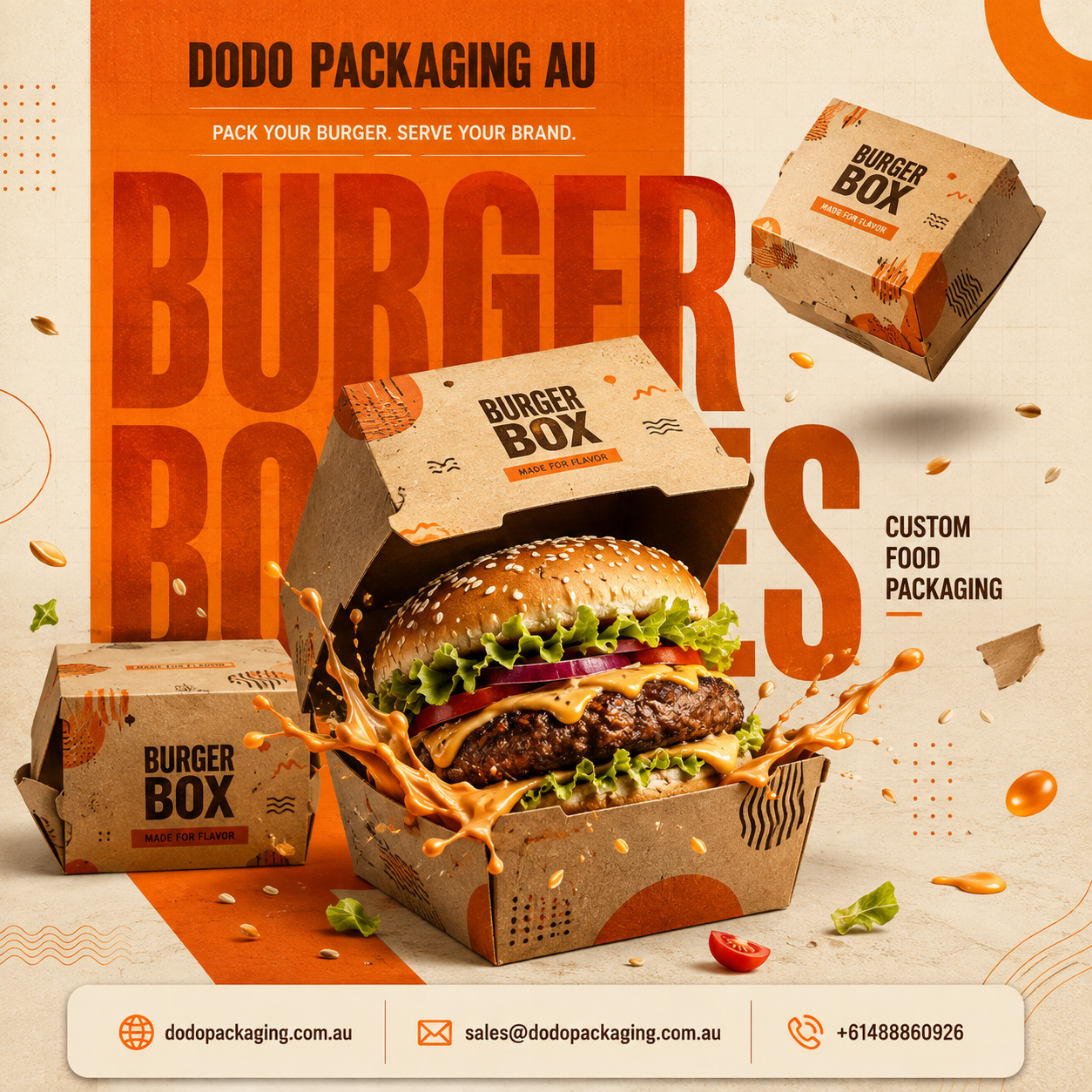
You’ve spent weeks perfecting the patty, the sauce and the toasted bun. Then it all gets squashed into a flimsy container, sweats on the ride home and turns up soggy. That’s the moment a great burger becomes a disappointing one.
Burger boxes are the unsung hero of takeaway. The right one protects the shape, manages heat and moisture, and gives your brand a bit of personality before the first bite. This guide covers the main styles, materials and sizes, plus a few practical tips so you can choose with confidence.
What Are Burger Boxes?
Burger boxes are purpose-built food containers designed to hold a burger securely, keep it warm and stop grease or sauce leaking through. They’re usually made from food-safe paperboard or cardboard, and they’re sized so the burger doesn’t slide around or get crushed in transit.
Compared with a plain paper wrap or a generic takeaway tub, a proper burger box does three jobs at once:
- Protects the build. Stacked burgers stay stacked.
- Manages steam. Good designs let a little heat escape so the bun doesn’t go gummy.
- Carries your brand. It’s the first thing a customer touches, and it often ends up in their photos.
The Main Types of Burger Boxes
Not every burger needs the same packaging. A smash burger and a towering double with all the trimmings have very different needs.
Folding Burger Boxes
These arrive flat and fold into shape in a few seconds, which suits a busy kitchen. They stack neatly, store compactly and print well, so they’re a favourite with cafés and food trucks. Most have a tuck-in or interlocking lid that stays shut without tape.
Clamshell Burger Boxes
The lid is hinged to the base and snaps closed, much like the old-school takeaway tray. They’re quick to load and hold a burger firmly. They also suit burgers with a bit of height, as long as you choose the right depth.
Burger Sleeves and Wraps
Sleeves are open-ended or wrap-style and work well for quick-service, grab-and-go menus. They’re light and cost-effective. They suit smaller or single-patty burgers rather than loaded ones, and they don’t protect from squashing as well as a full box.
Burger and Chips Combo Boxes
Some boxes have a compartment for chips alongside the burger. They’re handy for meal deals and keep everything in one tidy parcel. Just make sure the chips side has some ventilation, or those crisp fries will steam themselves soft.
Why Cardboard Burger Boxes Are the Go-To Choice
Ask around the takeaway trade and most operators land on cardboard sooner or later. Fair enough. It’s sturdy, easy to print on, and it feels like proper packaging rather than an afterthought.
If you’re comparing options, our range of Cardboard Burger Boxes is a good place to see what’s available in different sizes and styles. The right fit is usually a mix of your menu, your volume and how far the food has to travel.
Here’s why cardboard keeps winning:
- Structure. It holds its shape under a heavy burger and a bit of pressure in a delivery bag.
- Insulation. It keeps heat in better than thin plastic, without sealing in all the steam.
- Printability. Cardboard takes colour, logos and patterns cleanly, which is great for branding.
- Recyclability. Plain, uncoated cardboard is widely accepted in kerbside recycling, though greasy or heavily laminated boxes can be a different story. It’s worth checking local council rules.
- Customer perception. Paper-based packaging tends to read as more considered and more sustainable than plastic.
Burger Box Materials Compared
Different board types suit different menus. Here’s a quick, practical comparison.
| Material | Best for | Strengths | Watch-outs |
|---|---|---|---|
| Kraft paperboard | Casual cafés, earthy brands | Natural look, sturdy, recyclable | Can show grease marks if unlined |
| White SBS paperboard | Premium or colourful branding | Bright print surface, smooth finish | Usually costs a little more |
| Corrugated cardboard | Heavy, loaded burgers and delivery | Excellent strength and insulation | Thicker, so it takes more storage space |
| Grease-resistant coated board | Saucy, juicy burgers | Fights leaks and stains | Check the coating’s recyclability |
A simple rule of thumb: the juicier the burger, the more you want a grease-resistant lining. The more premium the brand, the more you’ll care about the print surface.
How to Choose the Right Burger Box Size
Sizing is where a lot of operators trip up. Too small and the burger gets squashed. Too big and it rattles around and cools off faster.
- Measure the assembled burger, not the bun on its own. Include the toppings and any skewer or pick.
- Allow a little breathing room. A bit of space around the burger lets steam escape without letting it slide about.
- Think about height. Double stacks and “tall” burgers often need a deeper box than a standard single.
- Test it on the road. Pack a few, put them in a delivery bag and take a short drive. If the burger arrives looking like it did leaving the pass, you’ve got it right.
If you serve several burger sizes, it’s often smarter to stick to two or three box sizes than to stock a different one for every item. It keeps storage simple and costs down.
Custom Burger Boxes: Turning Packaging into Marketing
A plain brown box does the job. A custom burger box does the job and gets your brand noticed.
Printed packaging helps you:
- Stand out in a crowded delivery bag and on social media
- Show your story, such as your logo, a tagline or a QR code for your menu or socials
- Build recognition so customers remember the burger and where it came from
- Look established, even if you’re just starting out
You don’t need a complicated design. One bold logo, a strong colour and a bit of white space often look better than a busy pattern. If you’re going for a more natural feel, a single-colour print on kraft board looks great and keeps costs sensible.
Common Mistakes to Avoid
Even good operators slip up here. Keep an eye out for these:
- Choosing on price alone. The cheapest box can cost you more in refunds and bad reviews if it falls apart.
- Ignoring ventilation. A fully sealed box traps steam, and steam is the enemy of a crisp bun.
- Skipping the grease test. Always test with your messiest, juiciest burger, not your driest one.
- Over-ordering in one size. Menus change. Order what you need and review as you go.
- Forgetting storage. Flat-packed boxes save space, but they still need a dry spot.
A Few Practical Tips for Better Takeaway Burgers
- Let the burger rest a moment before boxing so it releases a bit of steam.
- Put lettuce and tomato on the right layers so wetter ingredients don’t soak the bun.
- Use a liner or wrap inside for extra-saucy burgers.
- Pack hot and cold separately where you can, such as sides and sauces.
- Train your team on how to fold and close each box properly. A good box only works if it’s used right.
FAQ
What are burger boxes?
Burger boxes are food-safe containers, usually made from paperboard or cardboard, designed to hold a burger securely during serving and takeaway. They protect its shape, help manage heat and moisture, and give venues a branded way to present their food.
What size burger box do I need?
Measure your assembled burger, including toppings, then choose a box with a little extra room for steam to escape. Standard single burgers suit smaller boxes, while double stacks need more depth. Test a few sizes with your real menu items before ordering in bulk.
Are cardboard burger boxes recyclable?
Plain cardboard burger boxes are generally recyclable, but heavy grease or food residue can affect that. Boxes with coatings or laminates may follow different rules. It’s best to check your local council guidelines and choose packaging that suits your waste setup.
Can burger boxes be printed with my logo?
Yes. Most cardboard and paperboard burger boxes can be custom printed with your logo, colours and messaging. Simple one or two-colour designs are cost-effective and look sharp, while full-colour printing suits premium or highly branded venues.
How do I stop my burger going soggy in the box?
Choose a box with some ventilation, let the burger rest briefly before closing it, and avoid packing wet toppings against the bun. A grease-resistant lining can also help with juicy burgers. Delivery times matter too, so shorter trips help.
Final Thoughts
A great burger deserves packaging that does it justice. The right burger boxes protect the build, keep the heat in without trapping the steam, and make your brand look as good as your food tastes.
Start with your menu, pick a material and size that suits it, and test before you commit. Small details like ventilation, lining and print quality make a big difference once the burger is out the door.
Ready to find the right fit for your venue? Explore the range at DODO Packaging AU and get packaging that works as hard as your kitchen does.

 English
 Arabic
 Spanish
 Portuguese
 Deutsch
 Turkish
 Dutch
 Italiano
 Russian
 Romaian
 Portuguese (Brazil)
 Greek