


Diesel Tank Monitoring System Improve Fuel Management and Efficiency
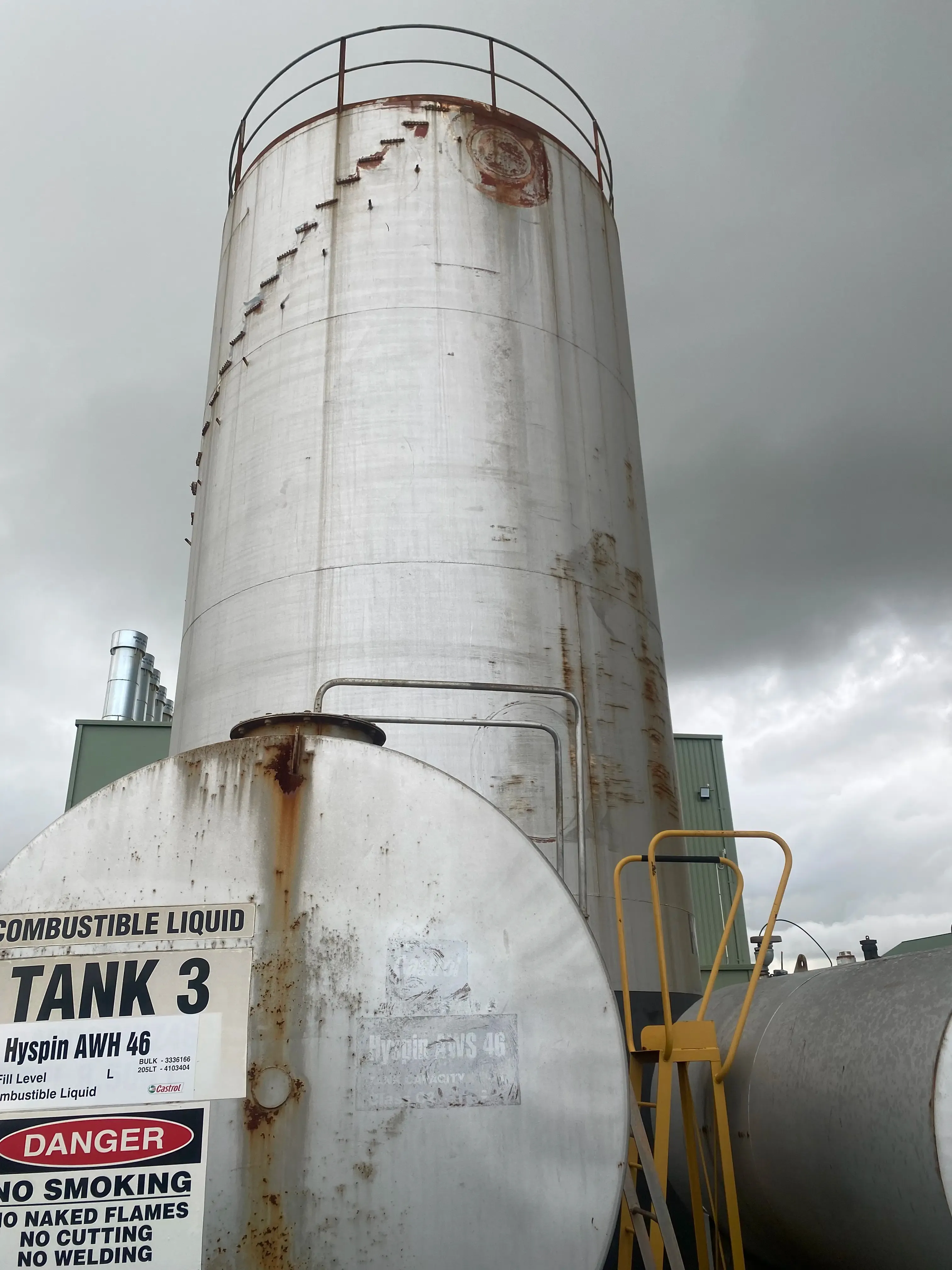
A reliable Diesel Tank Monitoring System can help businesses maintain better control over fuel storage, track inventory and manage multiple tanks more efficiently. For organisations that depend on diesel-powered vehicles, machinery and equipment, knowing how much fuel is available is essential for planning daily operations. GAT offers a starting point for businesses exploring smarter fuel management solutions, with monitoring technology designed to support better visibility of stored fuel and more informed operational decisions.
What Is a Diesel Tank Monitoring System?
A diesel tank monitoring system uses sensors and electronic equipment to measure the amount of fuel stored in a tank. Depending on the system, this information can be transmitted to a digital dashboard, allowing authorised users to check fuel levels without regularly inspecting tanks manually.
For businesses with several storage locations, remote monitoring can make fuel management easier. Instead of relying on separate manual records, teams can access tank information through a central platform and make decisions based on recorded data.
These systems can be useful across industries such as transport, agriculture, mining, construction and manufacturing, where reliable fuel availability supports everyday operations.
Key Features to Consider When Choosing a Monitoring System
Not every business has the same fuel storage requirements. The right solution depends on the number of tanks, site conditions, monitoring needs and existing equipment.
Important features to evaluate include:
-
Real-time or scheduled level updates: Check whether the system provides continuous readings or updates at set intervals.
-
Multi-tank monitoring: Look for a platform that can display information from several tanks in one place.
-
Remote access: Web-based or mobile access can help authorised staff check fuel information away from the storage site.
-
Low-level alerts: Notifications can help teams plan refilling before fuel reaches a critical level.
-
Historical records: Stored readings can support inventory planning and help identify changes in fuel consumption.
-
Flexible installation: Sensor compatibility should be checked against tank dimensions, materials and operating conditions.
Understanding these features before purchasing can help businesses select equipment that meets their actual operational needs.
Benefits of Monitoring Multiple Diesel Tanks
Businesses operating several vehicles, machines or facilities may have fuel stored across different locations. Managing these tanks manually can take considerable time and make it harder to maintain consistent records.
A centralised monitoring platform can offer several practical advantages.
Better Fuel Inventory Visibility
Access to tank-level information helps managers understand available fuel stocks. This can make it easier to plan replenishment and reduce the likelihood of unexpected shortages.
More Efficient Fuel Planning
Recorded fuel levels and usage trends can help businesses estimate future requirements. Better planning may reduce unnecessary site visits and improve coordination with fuel suppliers.
Easier Multi-Site Management
Where supported by the selected system, multiple tanks can be monitored through one dashboard. This gives authorised personnel a clearer overview of fuel inventory across depots, work sites and storage facilities.
Improved Operational Awareness
Automated alerts and historical readings can help staff identify unusual changes in fuel levels. These records may support further investigation, although a level change alone does not establish theft, leakage or another specific cause.
How Remote Tank Monitoring Works
Remote monitoring generally involves a sensor installed in or on a storage tank. The sensor measures the fuel level and sends information through a communication device to a monitoring platform.
The process usually includes three main components:
-
Tank sensor: Measures the fuel level using a suitable sensing method.
-
Communication equipment: Transfers readings through an available connection, such as cellular, radio or another supported network.
-
Monitoring dashboard: Displays tank information so authorised users can review levels, alerts and available historical data.
The exact technology varies between manufacturers and installations. Businesses should check communication coverage, power requirements, sensor compatibility and update frequency before choosing a system, particularly for remote sites.
Industries That Can Benefit From Diesel Tank Monitoring
Fuel monitoring can support operations where diesel is stored for regular equipment or vehicle use.
-
Mining: Helps site teams review fuel availability for machinery and support equipment.
-
Transport and logistics: Supports fuel inventory planning across depots and fleet facilities.
-
Agriculture: Helps farm operators monitor diesel stored for tractors, harvesters and other machinery.
-
Construction: Provides visibility of fuel stocks at equipment yards and active project sites.
-
Manufacturing: Supports monitoring of diesel used by generators and other industrial equipment.
The most suitable configuration depends on each site's fuel demand, storage arrangements and operating environment.
What to Check Before Installing a Monitoring System
Before investing in monitoring equipment, assess the requirements of your storage setup. Consider the number of tanks, their capacity, shape, height and location. Above-ground and underground installations may require different sensor arrangements.
It is also important to confirm whether the equipment is suitable for diesel, the required measurement accuracy, hazardous-area classification and environmental conditions. For remote locations, check whether the communication method will work reliably.
Ask the supplier about installation requirements, maintenance, software access, alert configuration, data storage and any ongoing service costs. Professional installation may be necessary to ensure the equipment is suitable for the tank and site.
Simplify Fuel Management With GAT
Managing diesel inventory becomes more challenging as businesses expand their fleets, equipment and storage facilities. A suitable monitoring solution can make fuel levels easier to review, support replenishment planning and provide useful information for daily operations.
GAT can be considered when exploring diesel tank monitoring options for business fuel management. Before selecting a solution, discuss your tank configuration, monitoring requirements and site conditions with the provider to establish which features and equipment are appropriate.
With the right monitoring approach, businesses can move beyond manual fuel checks and build a more organised process for managing diesel storage.

 English
 Arabic
 French
 Spanish
 Portuguese
 Deutsch
 Turkish
 Dutch
 Russian
 Romaian
 Portuguese (Brazil)
 Greek