


Rotted Boards or Failing Joists? How to Judge Deck Repair in Vancouver, WA
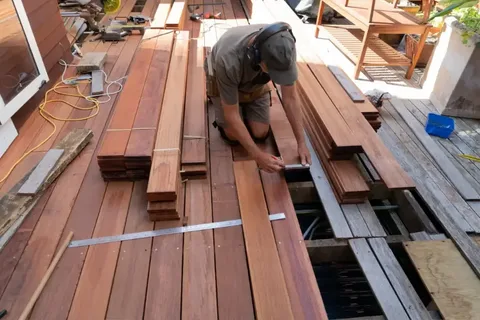
A soft board may look like a small upkeep problem, but it can point to water damage below the walking surface. When a joist the frame member under the boards has lost strength, patching the top can leave the real problem in place. Essential Construction LLC is one local option a property owner may contact for an inspection, but the repair decision should begin with the deck’s condition, not a sales pitch. For anyone comparing deck repair in vancouver, wa, the key question is whether the damage is limited, spreading, or affecting the structure that holds people up.
Key Takeaways
-
A soft or springy board may signal damage below the surface.
-
Rotten joists, posts, stairs, or connections need more than cosmetic work.
-
Rain, damp shade, leaves, and poor drainage can keep wood wet for long periods.
-
Repair makes sense when damage is isolated and the main frame remains sound.
-
A written inspection helps compare limited repair with full replacement.
1. Start With the Safety Question
The first decision is not whether the deck looks old. It is whether the deck can be used safely while its condition is being checked. A board that bends slightly may only need replacement, but movement near a railing, stair, post, or beam deserves more caution. People should stay off areas that feel unstable until the supporting parts have been examined.
A deck has several connected components that work together to maintain its strength and stability. Deck boards form the walking surface, while joists support those boards through beams and ledgers. Posts transfer the structure's weight to the footings, and guardrails must remain securely attached. During deck repair services, each component should be inspected because damage in one area can affect surrounding parts. For example, water entering around a fastener may seep into a joist and remain hidden beneath the deck boards.
The local climate also matters. Rain, damp shade, moss, and leaves can slow drying, especially where water cannot drain away. Pressure-treated lumber lasts longer than untreated wood, but it is not immune to rot. End cuts, cracks, screw holes, and board joints still need protection and airflow.
2. Warning Signs That Need Attention
A property owner does not need to remove half the deck to notice early clues. A careful walk-around can show where a closer inspection should begin. The following signs do not identify the full cause by themselves, but they help separate surface wear from a larger concern.
-
A board feels soft, spongy, or springy under normal foot pressure.
-
Fasteners sit proud, pull out, or leave dark stains around their heads.
-
Joists show splits, deep decay, sagging, or damage near their ends.
-
Railings, stairs, or posts wobble when lightly tested.
-
Water stays on the surface or collects beside the house after rain.
Paint or stain can hide weak wood, so a fresh coating should not be treated as a structural fix. A small probe check by a qualified professional can help find soft areas, but property owners should not force tools into questionable wood or climb onto a deck that moves noticeably.
It is also easy to focus only on the most visible board. A rotten board may be the result of a leaking connection, blocked drainage, or a joist that has stayed wet for years. Finding and correcting the water source can matter as much as replacing the damaged lumber.
3. What an Inspection Should Check
For Vancouver, WA deck inspections, a useful review should trace the path of water and weight from the surface down to the supports. Replacing a few boards without checking the frame may make the deck look better while leaving its weakest part untouched.
-
The deck boards, seams, end cuts, and fasteners should be checked for decay.
-
Joists, rim joists, blocking, and beam connections should be examined for soft wood or movement.
-
The ledger board and flashing should be checked where the deck meets the house.
-
Posts, post bases, beams, and footings should be reviewed for shifting or trapped moisture.
-
Stairs, stringers, handrails, and guardrail attachments should be tested for stability.
The ledger connection deserves close attention because it carries part of the deck’s load at the house. Missing or damaged flashing can let rain enter behind the ledger, where the problem may remain hidden. Joist hangers can also corrode or loosen when water collects around them.
A helpful inspection report should name the damaged parts, explain why they failed, and separate urgent safety work from normal upkeep. It should also state whether nearby wood is sound enough to remain. If structural members, stairs, or guardrails will change, the property owner should ask the local building authority whether permits or inspections apply.
4. Choosing Repair or Replacement
The right choice depends on the spread of damage, the condition of the frame, and the reason moisture reached the wood. A deck with two isolated rotten boards and a sound structure may need a focused repair. A deck with decay in several joists, a weak ledger, or unstable railings may need a larger rebuild.
-
Count the affected parts rather than judging the project by its worst-looking board.
-
Find out whether the moisture source can be corrected before new wood is installed.
-
Consider the deck’s age, layout, drainage, and how often people use it.
-
Compare the full repair scope with replacement materials and future maintenance needs.
Repair can be a reasonable choice when the damage is limited, the supporting frame is dry and sound, and replacement lumber can be tied securely into the existing structure. The work should include proper fasteners, sealed end cuts, clear drainage paths, and any needed flashing. A surface-only patch is less useful if the joist underneath remains weak.
Replacement may make more sense when rot appears in many connected areas or when the original layout traps water. It can also be worth considering when stairs, guardrails, and framing all need work at the same time. The decision should not rest on age alone. A newer deck with poor drainage can fail early, while an older deck with good airflow and sound connections may still have repairable areas.
Before work begins, they should request a written scope that identifies what will stay, what will be removed, how the water problem will be handled, and how the finished work will be protected. Questions about Pacific Northwest deck maintenance should include cleaning leaves from joints, keeping soil away from posts, checking stain or sealant, and watching for new standing water after rain.
Frequently Asked Questions
How Can Someone Tell Whether a Deck Board Is Rotten?
They may notice softness, crumbling wood, darkened areas, or fasteners that no longer hold tightly. A board can look acceptable on top while being weak at an end or around a screw hole, so a surface check is only an early clue.
Can One Joist Be Repaired Without Rebuilding the Deck?
Sometimes. If the damage is isolated and the surrounding framing is sound, a professional may replace or reinforce the affected joist. The repair must transfer the load correctly and address the moisture source instead of covering the damaged area.
Does a Soft Board Always Mean Full Replacement?
No. One soft board may be a limited maintenance issue. Full replacement becomes more likely when decay reaches several joists, the ledger, posts, stairs, or guardrail connections, or when the existing design repeatedly holds water.
When Should a Professional Inspect a Deck?
An inspection is appropriate when the surface flexes, stairs move, railings wobble, posts show decay, or damage appears near the house connection. It is also useful before buying a property or planning a large repair so hidden framing is not overlooked.
Do Permits Matter for Deck Repairs?
They may, especially when work changes structural framing, stairs, height, or guardrails. Requirements can depend on the property’s location and the type of work, so the owner should check with the building authority that serves the property before construction starts.
Make the Decision From the Frame Out
A deck should be judged from its supporting structure outward, not from its newest stain or best-looking board. When damage is limited and the frame remains sound, targeted work may be enough. When moisture and decay affect connected parts, a larger replacement can provide a clearer long-term answer. A careful inspection, written scope, and plan for drainage give the property owner a better basis for choosing the next step.
Plan the Next Step
Start by keeping people off any area that feels soft, loose, or unstable. Take clear photos, note where water collects, and arrange a full inspection of the boards, joists, connections, stairs, and railings. Ask for a written explanation of the damage, the proposed repair, and any permit questions before work begins. If replacement is recommended, request a comparison with limited repair so the choice fits the deck’s age, use, drainage, and long-term plans. Careful decisions can prevent patching and doubt.

 English
 Arabic
 French
 Spanish
 Deutsch
 Turkish
 Dutch
 Italiano
 Russian
 Romaian
 Portuguese (Brazil)
 Greek