


Understanding the Role of Kalash in Traditional Baglamukhi Puja
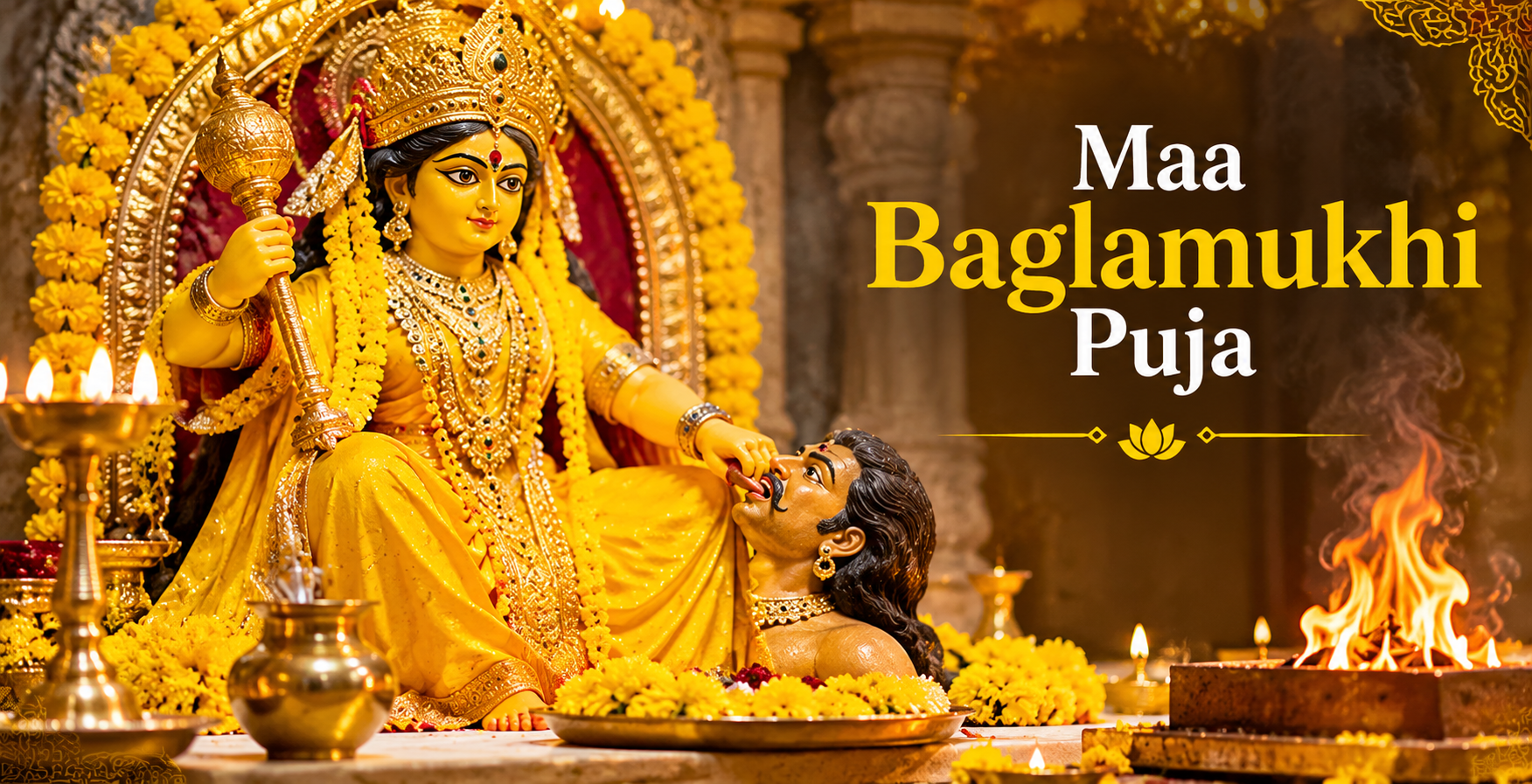
The Kalash holds an important place in many Hindu religious ceremonies. It is traditionally used as a sacred vessel and represents auspiciousness, purity, and the presence of divine blessings. In Maa Baglamukhi Puja, the Kalash may form part of the ritual arrangement, depending on the customs and procedures followed by the temple, priest, or family.
Understanding the Baglamukhi puja kalash significance helps devotees learn why this traditional vessel is included in worship and what it represents. Its importance is not limited to its physical presence. The Kalash carries symbolic meaning and helps establish a respectful setting for religious rituals.
What Is a Kalash in Maa Baglamukhi Puja?
A Kalash is a traditional pot or vessel used in Hindu worship. It is commonly made from copper, brass, silver, or other suitable materials. During religious ceremonies, it may be filled with water and decorated with mango leaves, a coconut, or other traditional elements.
In Maa Baglamukhi Puja, the Kalash may be placed in the designated worship area as part of the ceremonial preparation. Depending on the tradition, it can represent auspiciousness, purity, and divine presence.
The arrangement and materials used may differ between religious communities. Some ceremonies follow detailed Kalash Sthapana procedures, while others use a simpler arrangement. Therefore, devotees should understand the customs followed in their particular form of worship.
Baglamukhi Puja Kalash Significance in Traditional Worship
The Baglamukhi puja kalash significance is connected with its religious symbolism and its role in preparing the worship space. It is traditionally regarded as an auspicious object that helps establish a sacred environment before the main rituals begin.
Its importance can be understood through several aspects.
1. Symbol of Auspiciousness
In Hindu traditions, the Kalash is widely associated with good fortune, prosperity, and positive beginnings. Its presence during worship represents an auspicious start to the religious ceremony.
In Maa Baglamukhi Puja, this symbolism contributes to the traditional preparation of the prayer space.
2. Representation of Purity
Water is an important element in many Hindu rituals. When water is placed inside a Kalash, the vessel may symbolise purity and sacredness.
The water used in the Kalash is treated with respect as part of the religious arrangement. Its presence reflects the importance of cleanliness and purity in traditional worship.
3. Symbolic Representation of Divine Presence
In several Hindu traditions, a properly established Kalash is regarded as a symbolic seat or representation of divine presence. The exact religious interpretation depends on the ceremony and the tradition being followed.
This makes the Kalash more than an ordinary container. It becomes a meaningful part of the devotional arrangement.
What Is Traditionally Placed Inside and Around a Kalash?
The materials used for Kalash preparation can vary according to regional customs and the specific puja procedure. However, certain elements are commonly associated with traditional Hindu worship.
Water
Water is one of the main elements placed inside the Kalash. It is traditionally associated with purity, life, and renewal. The vessel may be filled according to the instructions of the priest or the family's established ritual practice.
Mango Leaves
Mango leaves are commonly arranged around the opening of the Kalash in many Hindu ceremonies. They are traditionally associated with auspiciousness and natural abundance.
The number and arrangement of leaves may differ according to the ritual tradition.
Coconut
A coconut is often placed on top of the Kalash, particularly during formal Kalash Sthapana. It is considered an auspicious offering in many Hindu traditions.
Its placement and preparation depend on the specific ceremony being performed.
Sacred Thread and Decorations
Some Kalash arrangements include a sacred thread, turmeric, vermilion, or decorative cloth. These elements are used according to local customs and ritual requirements.
Not every Maa Baglamukhi Puja follows an identical arrangement. The priest's instructions should guide the selection and placement of these materials.
The Role of Kalash in the Ritual Arrangement
A well-organised ritual arrangement helps establish the proper setting for traditional worship. The Kalash may be placed at a designated position near the main worship area, along with other ritual objects.
Its placement is not necessarily the same in every ceremony. It may depend on the direction, altar arrangement, deity representation, and specific instructions associated with the puja.
The Kalash can be included alongside:
· The deity's image or idol.
· Flowers and traditional offerings.
· A diya used for lighting during worship.
· Puja vessels and other ritual materials.
· Items required for mantra recitation and aarti.
The purpose of arranging these objects carefully is to maintain an orderly and respectful worship space. Devotees should avoid assuming that a particular layout is compulsory for every Maa Baglamukhi ceremony.
How Kalash Sthapana Is Performed
Kalash Sthapana refers to the traditional establishment or placement of a Kalash during a religious ceremony. It is practised in different forms across Hindu traditions.
In a typical arrangement, the vessel is cleaned and prepared before being placed in the designated area. Water and other required materials may then be added. Mango leaves and a coconut may be arranged according to the prescribed method.
A priest may recite traditional mantras and perform the required prayers while establishing the Kalash. In some ceremonies, the process is more detailed and includes specific ritual steps.
For Maa Baglamukhi Puja, the exact procedure should follow the tradition of the temple or the guidance of the priest conducting the ceremony. A general description should not be treated as a universal ritual instruction.
Choosing a Suitable Kalash for Traditional Worship
Devotees preparing for a home puja may want to select a suitable Kalash. The choice generally depends on the family's customs, the type of ceremony, and practical requirements.
Consider the Material
Copper and brass are commonly used for traditional puja vessels. Silver Kalash may also be used in certain ceremonies. The material should be appropriate for the intended ritual and easy to maintain.
Check the Size
The vessel should be suitable for the available prayer space and the required arrangement. A very large Kalash may be difficult to position in a small home altar, while a very small one may not suit a particular ceremony.
Look for Practical Design
Choose a stable vessel with a suitable opening and a well-finished surface. Traditional decorative designs are optional unless a particular custom requires them.
Maintain Cleanliness
Before using the Kalash, clean it according to its material and the family's worship customs. Keep it in a suitable place after the ceremony.
Common Mistakes to Avoid During Kalash Preparation
Understanding the Kalash's purpose can help devotees avoid unnecessary confusion.
· Assuming every puja uses the same arrangement: Kalash customs vary across regions and religious traditions.
· Choosing a vessel only for decoration: Its suitability for the ritual and ease of handling are also important.
· Ignoring cleanliness: The vessel should be properly cleaned before use.
· Copying unfamiliar ritual instructions: Follow the guidance of a knowledgeable priest instead of mixing procedures from different traditions.
· Treating every element as compulsory: Mango leaves, coconuts, threads, and other materials may depend on the specific ceremony.
Conclusion
The Kalash is a meaningful part of many Hindu religious ceremonies and may hold an important place in traditional Maa Baglamukhi Puja. Its association with auspiciousness, purity, and divine presence makes it more than an ordinary sacred vessel. It also contributes to the overall ritual arrangement and preparation of the worship space.
Understanding the Baglamukhi puja kalash significance helps devotees appreciate its symbolic meaning and traditional use. Although the materials, placement, and preparation methods can differ between communities, the Kalash continues to represent an important aspect of devotional practice. Following the customs of the particular puja helps maintain its religious significance and ensures that the arrangement is approached with respect.

 English
 Arabic
 French
 Spanish
 Portuguese
 Deutsch
 Turkish
 Dutch
 Russian
 Romaian
 Portuguese (Brazil)
 Greek