


Hand and Power Tools: How to Build a Reliable Toolkit for Every Project
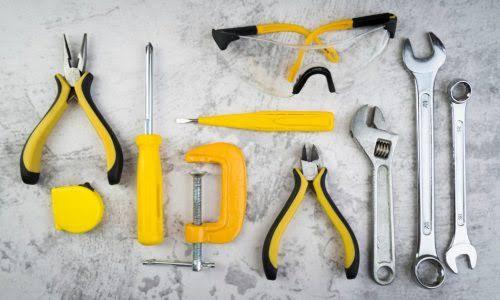
Whether you are handling household repairs, maintaining equipment, working on a construction site, or completing a woodworking project, having dependable tools makes a noticeable difference. The right equipment helps you work more accurately, manage demanding tasks, and complete projects with greater confidence. From simple manual tools to advanced battery-powered equipment, every tool has a specific purpose in a well-organized workshop.
Choosing the right Hand and Power Tools starts with understanding the type of work you regularly perform. Some jobs require the control and precision of manual equipment, while others benefit from the speed and performance of powered machinery. By selecting tools according to their intended applications, material compatibility, and performance requirements, homeowners and professionals can build a practical collection that supports a wide range of projects.
Why Every Workshop Needs a Combination of Hand and Power Tools
A well-equipped workshop usually includes both manual and powered equipment. Hand tools are valuable for detailed adjustments, smaller repairs, and situations where precise control is necessary. Power tools are useful for repetitive operations, larger surfaces, and tasks that require additional speed or force.
For example, assembling a wooden cabinet may involve measuring with a tape, tightening screws with a screwdriver, drilling pilot holes, and sanding surfaces before finishing. Each stage benefits from a different tool. Having both categories available gives you more flexibility and reduces the need to rely on a single piece of equipment for every task.
Essential Hand Tools for Everyday Projects
Hand tools are among the most frequently used items in homes, garages, workshops, and professional workspaces. They are generally portable, straightforward to operate, and useful for a wide range of maintenance and installation tasks.
1. Measuring and Marking Tools
Accurate measurements are important before cutting, drilling, assembling, or installing materials. Measuring tapes, rulers, combination squares, and levels help ensure that components are positioned correctly. Marking pencils and suitable layout tools make it easier to identify cutting lines and installation points.
Taking measurements carefully before beginning a task can help reduce material waste and prevent fitting problems later.
2. Screwdrivers and Wrenches
Screwdrivers are essential for tightening and loosening screws with different head designs. Keeping a selection of suitable sizes helps when working with furniture, fixtures, appliances, and general hardware.
Wrenches are designed to work with nuts and bolts. Adjustable wrenches offer flexibility for different fastener sizes, while combination and socket wrenches can provide a more specific fit. Choosing the correct size helps reduce the possibility of damaging fasteners.
3. Hammers and Pliers
Hammers are commonly used for fastening, assembly, and selected demolition tasks. Different hammer designs are intended for different applications, so consider the material and type of work before choosing one.
Pliers provide gripping, holding, bending, and twisting capabilities. Needle-nose pliers can help with smaller components, while combination pliers are useful for general workshop activities. Select a design that offers suitable grip and control for the task.
4. Hand Saws and Utility Knives
Hand saws provide a manual cutting option for suitable woodworking and repair projects. Utility knives are useful for cutting approved materials, trimming packaging, and completing various workshop tasks. Always use the correct blade for the material and replace damaged or dull blades according to the manufacturer's instructions.
Popular Power Tools for Greater Efficiency
Power tools help reduce manual effort and can make certain jobs faster and more consistent. They are available in corded and cordless designs, with different power ratings and features for specific applications.
1. Cordless and Corded Drills
Drills are versatile tools used for creating holes in compatible materials and driving suitable fasteners. Cordless models offer portability, making them convenient for jobs around the property or in areas where electrical outlets are not easily accessible.
Corded drills provide continuous power while connected to an appropriate electrical supply. When comparing models, consider speed settings, torque, chuck capacity, battery compatibility, and the materials you expect to work with.
2. Circular Saws and Jigsaws
Circular saws are commonly used for straight cuts in suitable wood and other approved materials. Jigsaws provide more flexibility for curved cuts and shaped openings. Both tools require compatible blades and careful handling.
Before cutting, secure the workpiece properly, check the blade specifications, and follow the manufacturer's safety instructions. Choosing the correct blade for the material can help improve cutting performance.
3. Sanders and Grinders
Sanders help smooth wooden surfaces and prepare materials for painting, staining, or finishing. Different sanding tools are designed for different levels of material removal and surface preparation.
Angle grinders are used for suitable grinding, cutting, and surface preparation tasks with compatible accessories. Always verify that the disc is designed for the tool's operating speed and the material being worked on.
4. Impact Drivers
Impact drivers are designed to drive compatible screws and fasteners, particularly in applications requiring additional rotational force. They are commonly used in construction, woodworking, and installation projects.
Although impact drivers and drills may look similar, they serve different purposes. Understanding their differences helps prevent using the wrong equipment for a particular task.
How to Select Tools Based on Your Work Requirements
Buying tools without considering your actual requirements can result in unnecessary expenses and equipment that rarely gets used. Start by identifying the projects you handle most often and the materials you typically work with.
Use these factors when comparing different options:
- Application: Choose a tool specifically designed for the work you intend to perform.
- Material compatibility: Confirm that the equipment and its accessories are suitable for wood, metal, masonry, or other materials.
- Power and performance: Compare speed, torque, capacity, and other specifications relevant to the task.
- Comfort and handling: Consider grip design, balance, weight, and ease of operation.
- Power source: Decide whether a corded or cordless option better suits your workspace.
- Accessory availability: Check compatible bits, blades, discs, batteries, and replacement components.
- Storage requirements: Consider cases, organizers, and available workshop space.
For occasional household repairs, a basic collection of versatile tools may be sufficient. Professionals and frequent DIY users may benefit from more specialized equipment designed for their regular applications.
Organize Your Workshop for Better Productivity
Having quality tools is only one part of an efficient workspace. Proper organization makes equipment easier to locate, protects it from damage, and helps maintain a safer working environment.
Keep frequently used hand tools in an accessible toolbox or wall organizer. Store power tools in suitable cases or designated shelves, and keep their accessories grouped by type. Small components such as drill bits, screws, nails, and blades should be stored in labeled containers.
It is also useful to separate clean tools from equipment that needs maintenance. Keep walkways clear, avoid stacking heavy items in unstable positions, and store batteries and electrical equipment according to manufacturer recommendations.
Follow Important Safety Practices When Using Tools
Safe operation should always be a priority when working with manual or powered equipment. Even a simple repair can create hazards if tools are damaged, incorrectly selected, or used without proper precautions.
Follow these basic safety practices:
- Read the operating instructions before using unfamiliar equipment.
- Inspect tools, cords, batteries, handles, and accessories before starting work.
- Wear appropriate safety glasses, hearing protection, and other protective equipment.
- Secure workpieces before drilling, cutting, or sanding.
- Use accessories specifically approved for the tool and intended application.
- Keep hands away from moving blades, bits, and other operating components.
- Disconnect the power source before changing accessories or performing maintenance, as directed by the manufacturer.
- Keep tools away from children and store them safely after use.
Never ignore unusual vibration, overheating, damaged cables, or other signs of equipment failure. Stop using the tool and arrange appropriate inspection or repair.
Maintain Your Tools to Extend Their Useful Life
Regular maintenance helps keep tools in good working condition and can reduce unexpected interruptions. After completing a project, remove dust, dirt, and material residue using a cleaning method recommended by the manufacturer.
Inspect hand tools for loose handles, damaged grips, worn cutting edges, and corrosion. For power tools, check ventilation openings, cords, batteries, switches, and moving parts according to the maintenance instructions.
Cutting accessories should be replaced when damaged or no longer suitable for the task. Keep batteries in the recommended storage conditions, and avoid exposing tools to unnecessary moisture. A simple maintenance routine can help protect your equipment and keep your workshop ready for future projects.
Build a Practical Toolkit for Home and Professional Use
A reliable toolkit does not need to contain every tool available. Begin with essential measuring, fastening, gripping, and cutting equipment. Add power tools according to the projects you complete most frequently, and gradually expand your collection as new requirements arise.
Combining versatile hand tools with suitable power equipment gives you greater flexibility for repairs, woodworking, installation, construction, and property maintenance. Keeping your collection organized and maintaining each item properly can also make everyday work more efficient.
Find Hand and Power Tools for Your Next Project
Choosing suitable equipment is an important step toward completing projects with accuracy, confidence, and efficiency. Whether you are setting up a home workshop, replacing worn equipment, handling routine repairs, or preparing for a demanding construction job, consider the purpose, performance, and safety requirements of every tool before purchasing.
Explore the Hand And Power Tools department at Complete Supply Company to find equipment for your next home improvement, maintenance, woodworking, or professional project. With the right tools, proper organization, and regular care, you can build a dependable toolkit that is ready for a wide range of jobs.

 English
 Arabic
 French
 Spanish
 Portuguese
 Deutsch
 Dutch
 Italiano
 Russian
 Romaian
 Portuguese (Brazil)
 Greek