


Car Accidents After 60: Why Older Need a Careful Recovery Plan and How an Auto Accident Chiropractor in Kansas City Can Help
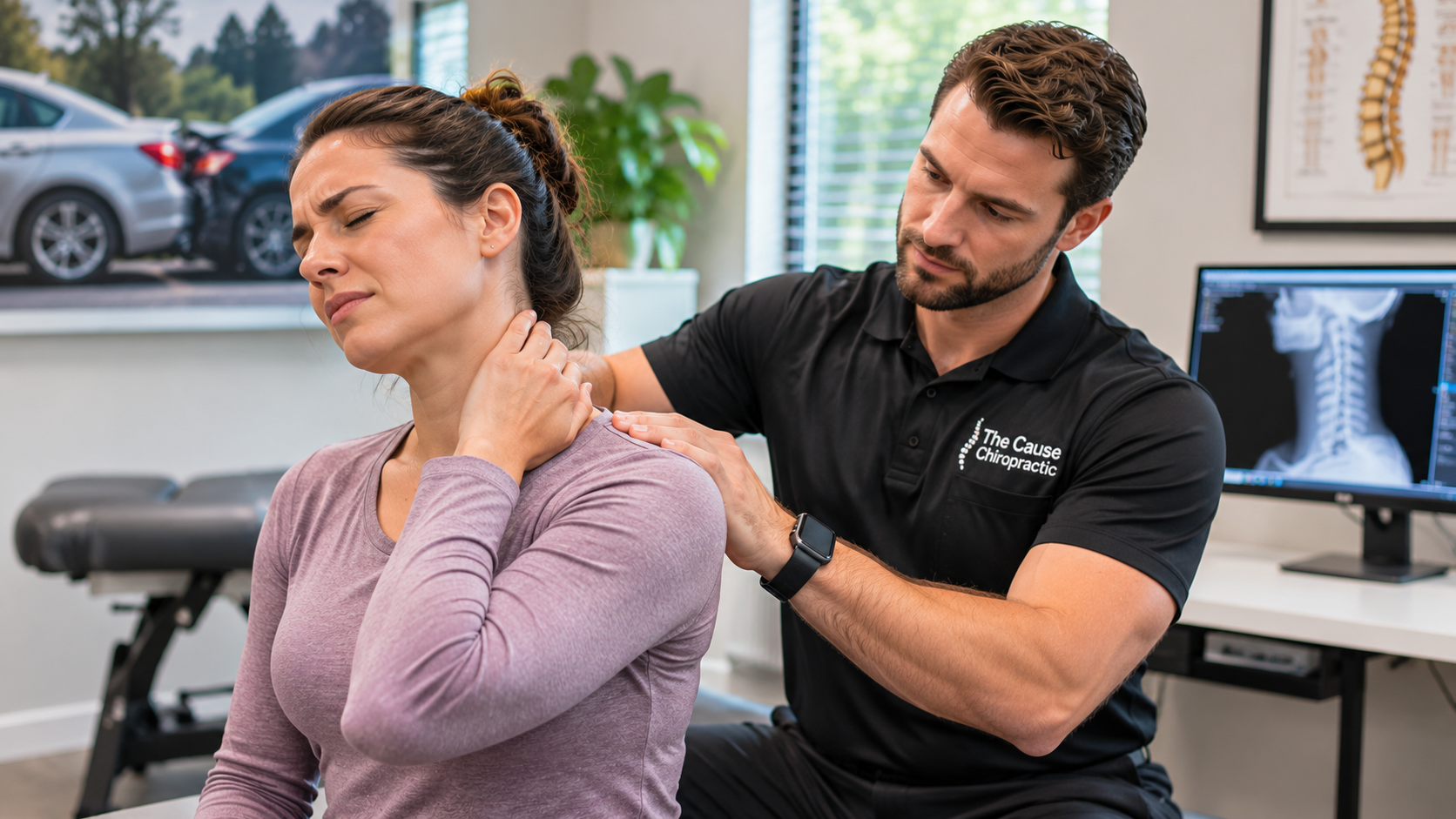
For many older adults around Kansas City, driving is about much more than getting from point A to point B. It is independence. It means getting to church on Sunday, picking up grandkids from school, meeting friends for lunch and running errands without asking anyone for a ride. So when a car accident happens, even a minor one, the impact can go far beyond a dented bumper. It can shake confidence, disrupt routines and leave lingering aches that are easy to dismiss as "just getting older." That is why I think it is worth understanding how an auto accident chiropractor in Kansas City can fit into a careful, gentle recovery plan for people over 60.
In my experience writing about healthy aging and injury recovery, and hearing the questions families ask before contacting an auto accident chiropractor in Kansas City, older adults often handle car accidents in a very particular way. They tend to downplay their symptoms, worry about being a burden, and assume that stiffness and pain are simply part of age. But a crash is a real injury event, and the body deserves a real evaluation afterward.
This article is written for older adults and the families who care about them. I want to explain why crashes can affect older bodies differently, which symptoms to watch for, how to stay safe in the early days, and what a thoughtful recovery plan looks like.
Why Car Accidents Hit Older Adults Harder
Driving helps older adults stay mobile and independent, but the risks of being hurt in a crash rise with age. The CDC's overview of older adult driver safety and crash risks states that each day, 25 older adults are killed and over 740 are injured in crashes. It also notes that drivers aged 70 and older have higher crash death rates per 1,000 crashes than middle-aged drivers aged 35 to 54.
That second point is important. It is not simply that older adults have more crashes. When a crash does happen, the body is more vulnerable to injury. There are a few reasons for this:
- Less flexibility. Muscles, ligaments and joints tend to stiffen over the years, so they may not absorb sudden forces as well.
- Existing wear in the spine. Many older adults have some degree of arthritis or disc changes, which can make the neck and back more sensitive to a jolt.
- Bone density changes. Bones may be more fragile, which raises the importance of ruling out fractures.
- Slower healing. Soft tissues often take longer to recover with age.
- Medications. Some medications, such as blood thinners, can increase the risk of bruising or bleeding after an injury.
None of this means an older adult will be badly hurt in every crash. It means that after any crash, a careful check is wise.
Symptoms to Watch for After a Crash
The Cause Chiropractic notes on its auto accident page that symptoms may take days or even weeks to fully manifest. For older adults, I think this is especially important, because new aches can easily be mistaken for ordinary stiffness.
The clinic lists several conditions it addresses after auto accidents, including:
- Whiplash and neck pain
- Back pain and lower back pain
- Headaches and dizziness
- Shoulder pain
- Joint discomfort and restricted movement
- Soft tissue damage and strain
- Inflammation and swelling
For older adults, I would add a few things to watch closely in the days and weeks after a crash:
- New or worsening stiffness that is clearly different from your usual morning stiffness
- Pain that changes how you move, such as trouble turning your head to back out of the driveway
- Dizziness or feeling unsteady, which can raise the risk of falls
- Changes in sleep, mood or memory, which may be linked to the stress of the crash or, in some cases, a head injury
- Bruising that appears or spreads, especially if you take blood thinners
Keep a simple notebook of how you feel each day. It does not need to be detailed. A few words about pain, sleep and energy can help you and your provider spot patterns.
When to Get Emergency Care First
Some symptoms need emergency medical care before any other treatment. Call 911 or go to an emergency department if you or a loved one has:
- Severe neck or back pain, especially right after the crash
- Numbness, tingling or weakness in the arms or legs
- A headache that keeps getting worse
- Confusion, slurred speech, repeated vomiting or unusual drowsiness
- Loss of consciousness, even briefly
- Chest pain, abdominal pain or trouble breathing
- Suspected broken bones
- Any head injury while taking blood thinners
That last point deserves emphasis. Older adults on blood-thinning medication should take any bump to the head seriously and get checked promptly, even if they feel fine.
Once emergency concerns have been ruled out, conservative care can play a role in recovery.
Common Crash Situations for Older Drivers and Passengers
Every crash is different, but a few situations come up again and again for older adults.
Intersection and turning crashes
Turning left across traffic or pulling out from a side street can be tricky, especially at busy intersections. Side-impact crashes in these situations can jolt the neck sideways and strain the shoulders, ribs and lower back.
Parking lot bumps
Low-speed collisions in grocery store or church parking lots often seem harmless. But The Cause Chiropractic notes that even minor accidents can cause significant damage to the body. If your head was turned to look behind you while backing up, even a gentle bump can strain the neck.
Being rear-ended
Rear-end collisions are a classic cause of whiplash. For older adults with stiffer necks, the sudden back-and-forth movement may be especially uncomfortable afterward.
Riding as a passenger
Many older adults are passengers rather than drivers, riding with a spouse, adult child or friend. Passengers experience the same forces as drivers and deserve the same careful evaluation.
Whatever happened, describe the crash in detail when you see an auto accident chiropractor in Kansas City or your doctor. Which direction the impact came from and how your head was positioned can help guide the exam.
Arthritis, Old Injuries and a New Crash
Many older adults already live with some arthritis, disc changes or old injuries in the neck or back. A natural question after a crash is, "How do I know what is new and what was already there?"
It is a fair question, and the answer usually comes from careful comparison:
- Timing. Did the pain start or clearly worsen after the crash?
- Location. Is it in the same spot as your usual aches, or somewhere new?
- Character. Does it feel different, such as sharper, more constant or traveling into an arm or leg?
- Function. Are you struggling with tasks you could do comfortably before the accident?
Tell your provider about any previous conditions honestly. A crash can aggravate existing arthritis or an old injury, and that aggravation still deserves care. A thorough history also helps your provider choose gentle techniques that suit your spine.
A Realistic Recovery Timeline for Older Adults
Recovery tends to take a little longer with age, and that is normal. Here is a general picture of what it can look like, though every person is different.
First few days: The focus is on safety and ruling out serious injuries. Watch closely for delayed symptoms and keep notes on how you feel.
First week or two: Get evaluated if you have not already. Pain and stiffness may peak during this time. Gentle movement, good sleep support and careful activity are key.
Weeks three to six: Many people begin to notice their neck and back moving more easily. Care often shifts toward restoring comfortable movement and gradually returning to routines.
Six weeks and beyond: The focus moves toward rebuilding strength, balance and confidence, including getting back to driving and social activities.
If symptoms are getting worse instead of better, or new problems appear, your provider should reassess and may refer you to your doctor. An auto accident chiropractor in Kansas City who works well with older adults will set realistic expectations and adjust the plan as you go, rather than rushing you back to full activity.
Why Gentle Care Matters
One of the most common worries I hear from older adults about chiropractic care is that it will be too forceful. That concern is reasonable, especially for someone with arthritis or fragile bones.
The Cause Chiropractic describes its approach to auto accident care as including gentle, precise adjustments and a personalized treatment plan tailored to each person's injuries. The clinic also offers chiropractic care for seniors in Kansas City as a separate service, which tells me the practice recognizes that older patients have specific needs.
In my experience, good care for older adults after a crash should:
- Start with a thorough history, including previous injuries, arthritis, osteoporosis, surgeries and medications
- Use gentle techniques appropriate for the person's age, bone health and comfort
- Move at the right pace, with progress measured over weeks rather than days
- Include practical guidance for daily activities, sleep and safe movement at home
- Coordinate with other providers when needed, such as a primary care doctor
If you have osteoporosis, a history of spinal surgery or other significant health conditions, tell your provider before any treatment begins. A responsible provider will adjust the approach or refer you elsewhere if needed.
What an Auto Accident Chiropractor in Kansas City Typically Does
The Cause Chiropractic's page outlines an approach that includes:
- A detailed evaluation to identify misalignment and soft tissue strain
- A personalized treatment plan built around your specific injuries
- Gentle, precise chiropractic adjustments targeting spinal misalignment
- Education about how care supports recovery
- Ongoing care when appropriate for long-term alignment and injury prevention
The clinic describes chiropractic care as a natural, non-invasive way to help the body heal and presents it as an alternative to relying on pain medication. For older adults who may already take several medications, that can be an appealing option to discuss with their doctor.
What to bring to your first visit
- A list of all medications, including blood thinners and supplements
- Information about previous injuries, surgeries and conditions like arthritis or osteoporosis
- Any emergency room or doctor's paperwork from after the crash
- Your notes on symptoms since the accident
- Insurance cards, including Medicare if applicable
- A family member or friend, if you would like a second set of ears
Medications, Pain Relief and Talking to Your Doctor
Many older adults take several medications every day, and adding pain relievers after a crash can raise questions. Some over-the-counter pain medicines can interact with blood thinners, blood pressure medications or kidney conditions. Others can cause drowsiness, which matters for balance and driving.
The Cause Chiropractic presents chiropractic care as a way to address pain without relying on pain medication. For some older adults, that can be a helpful option to explore alongside their doctor's advice. It is not about replacing medical care. It is about having more than one tool for managing pain safely.
A few practical tips:
- Check with your doctor or pharmacist before adding any new pain reliever, even an over-the-counter one
- Keep an updated medication list and bring it to every appointment
- Watch for side effects like dizziness, stomach upset or unusual sleepiness
- Mention all your providers to each other, so your primary care doctor knows you are seeing a chiropractor and your chiropractor knows what your doctor prescribed
Good communication between your providers is one of the best ways to make sure your recovery is safe. When an auto accident chiropractor in Kansas City and your primary care doctor are both informed, they can each make better decisions about your care, and you are less likely to fall through the cracks.
Insurance and Medicare
For many older adults, cost is a real concern. The Cause Chiropractic's page states that it accepts self-pay and insurance, listing BCBS, Aetna, Ambetter and Medicare. It also says the team will work with your attorney if you have one.
Coverage details can vary depending on your plan and situation, so I always recommend confirming with the clinic and your insurer before starting care. It is a quick phone call that can save confusion later.
Recovery at Home: Practical Tips for Older Adults
What you do between visits matters just as much as what happens in the office. These are the habits I recommend most often for older adults recovering from a crash, as long as your provider agrees:
Stay gently active
Short walks around the house or neighborhood help keep joints moving and muscles engaged. Complete bed rest for long periods can lead to more stiffness and weakness.
Protect your balance
If you feel dizzy or unsteady after a crash, take extra care to prevent falls:
- Use handrails on stairs
- Turn on lights at night
- Remove loose rugs and clutter from walkways
- Wear supportive, non-slip shoes
- Stand up slowly after sitting or lying down
Support your neck while sleeping
A pillow that keeps your neck in a neutral position can make a big difference. Avoid sleeping on your stomach, which twists the neck.
Use heat or ice as advised
Your provider can tell you which is better for your stage of recovery.
Ask for help
Recovery is a good time to accept help with heavier chores, yard work or errands. Doing too much too soon can slow healing.
Returning to Driving Safely
For many older adults, getting back behind the wheel is the biggest goal of recovery. It is also a step worth taking carefully.
Before driving again, ask yourself:
- Can I turn my head comfortably to check blind spots and back up?
- Is my pain controlled without medications that make me drowsy?
- Do I feel alert and steady?
- Do I feel emotionally ready, or does the thought of driving make me very anxious?
If the answer to any of these is no, it may be worth waiting a little longer or starting with short, familiar trips during daylight and light traffic.
The CDC's older adult driver resources emphasize that older adults can take steps to stay safer on the road. In my experience, a few simple habits help:
- Adjust the headrest so it sits close to the back of your head
- Position mirrors to reduce the need to twist your neck
- Plan routes that avoid complicated intersections and heavy traffic when possible
- Avoid driving in bad weather or at night while you are still recovering
- Talk with your doctor about any medications that could affect driving
The Emotional Side of a Crash
The Cause Chiropractic acknowledges that accidents can affect mood, sleep and stress. For older adults, the emotional impact can be significant. A crash can shake confidence, create fear about driving and make people feel more vulnerable or isolated.
Some things that can help:
- Talking about the experience with family or friends
- Keeping up with social activities, even if someone else needs to drive for a while
- Returning to driving gradually with short, familiar routes
- Speaking with a doctor or counselor if worry, sadness or poor sleep does not improve
Recovering confidence is just as important as recovering physically. I have noticed that older adults who stay connected to their communities during recovery tend to bounce back more quickly in spirit. If you usually drive to a weekly coffee group, Bible study or volunteer shift, try to keep going by accepting a ride for a while. Isolation can make pain feel heavier and recovery feel longer. Staying involved, even in a smaller way, keeps routines intact and gives you something to look forward to while your body heals.
For Family Members and Caregivers
If you are helping a parent or grandparent after a crash, your support can make a real difference. Here is how I suggest helping:
- Encourage an evaluation, even if they insist they are fine
- Watch for changes in mood, memory, balance or energy over the following weeks
- Help with transportation to appointments while they recover
- Make the home safer to reduce fall risk
- Keep track of paperwork, including medical records and insurance details
- Be patient. Recovery may take longer than expected, and that is normal
Many older adults are reluctant to admit they are hurting. Gentle, persistent encouragement often helps more than pressure.
It can also help to keep a shared folder, either on paper or on a phone, with everything related to the accident: the police report number, insurance claim details, appointment dates, medication changes and notes from each visit. When several family members are pitching in, a single place for information prevents mix-ups and makes it easy for anyone to step in and help. It also reduces stress for your loved one, who may already feel overwhelmed by the paperwork and phone calls that follow a crash. Small, practical acts of support like this often matter more than any single piece of advice.
Why Long-Term Recovery Matters
The Cause Chiropractic's page talks about supporting long-term recovery and notes that ongoing care can help prevent chronic pain, stiffness and reduced mobility. It also mentions degenerative conditions such as arthritis.
For older adults, I think this is especially relevant. An injury that is not fully addressed can lead to people moving less, which can lead to more stiffness, weaker muscles and a higher risk of falls. Keeping the body moving well after a crash is an investment in staying independent.
Questions to Ask Your Provider
When you meet with an auto accident chiropractor in Kansas City, these questions can help you feel confident in your plan:
- What injuries do you see, and how serious are they?
- How will you adjust treatment for my age and health conditions?
- Do I need imaging or a referral to my doctor?
- How often should I come in, and for how long?
- What should I do at home, and what should I avoid?
- When is it safe for me to drive again?
- How do you handle Medicare or other insurance?
Where to Get Evaluated in the Northland
The Cause Chiropractic is located at 216 NE Barry Rd, Kansas City, MO 64155, with a listed phone number of 816.907.3131. For older adults in the Northland, that location can be convenient for regular visits during recovery.
My Honest Take
After spending a lot of time studying how people recover from car accidents, here is what I believe. Older adults deserve a careful, unhurried recovery after a crash, not a quick "you'll be fine." Their bodies may be more vulnerable to injury, their healing may take longer, and the stakes for independence are high.
Seeing an auto accident chiropractor in Kansas City who understands the needs of older patients, once any emergency concerns have been ruled out, can be a valuable part of that recovery. Combined with good communication with your doctor, gentle activity, fall prevention and patience, it can help you get back to the drives, routines and people that matter most.
Frequently Asked Questions
1. Is chiropractic care safe for older adults after a car accident?
It can be when care is tailored to the person. The Cause Chiropractic describes gentle, precise adjustments and personalized plans. Share any osteoporosis, surgeries or medications with your provider before treatment begins.
2. Why do older adults get hurt more seriously in crashes?
The CDC notes that drivers aged 70 and older have higher crash death rates per 1,000 crashes than middle-aged drivers. Reduced flexibility, existing spinal wear and slower healing can all play a role.
3. How soon should an older adult see an auto accident chiropractor in Kansas City?
The Cause Chiropractic recommends seeking care as soon as possible after an accident, even without significant pain. Get emergency care first for any serious symptoms or head injury.
4. What symptoms should older adults watch for after a crash?
Watch for new stiffness, neck or back pain, headaches, dizziness, shoulder pain, changes in sleep or mood, and bruising that appears or spreads, especially if taking blood thinners.
5. Does The Cause Chiropractic accept Medicare?
The clinic's page lists Medicare among accepted insurance, along with BCBS, Aetna, Ambetter and self-pay. Coverage details vary, so confirm your plan before starting care.
6. Should someone on blood thinners get checked after a minor crash?
Yes. Anyone on blood-thinning medication should take a bump to the head seriously and seek prompt medical evaluation, even if they feel fine at first.
7. How can older adults prevent falls while recovering?
Use handrails, keep walkways clear and well lit, wear non-slip shoes, stand up slowly and ask for help with heavier tasks until balance and strength improve.
8. When is it safe to drive again after an accident?
When you can turn your head comfortably, feel alert and steady, are not on drowsy medications and feel emotionally ready. Start with short, familiar trips during daylight.
9. Does the clinic offer care specifically for seniors?
Yes. In addition to auto accident care, The Cause Chiropractic offers a separate seniors chiropractic care service in Kansas City.
10. How can family members help an older adult after a crash?
Encourage an evaluation, watch for changes in mood or balance, help with transportation and paperwork, make the home safer and be patient with a recovery that may take time.

 English
 Arabic
 Spanish
 Portuguese
 Deutsch
 Turkish
 Dutch
 Italiano
 Russian
 Romaian
 Portuguese (Brazil)
 Greek