


Frequency Conversion Aerator for Flexible Aquaculture Management
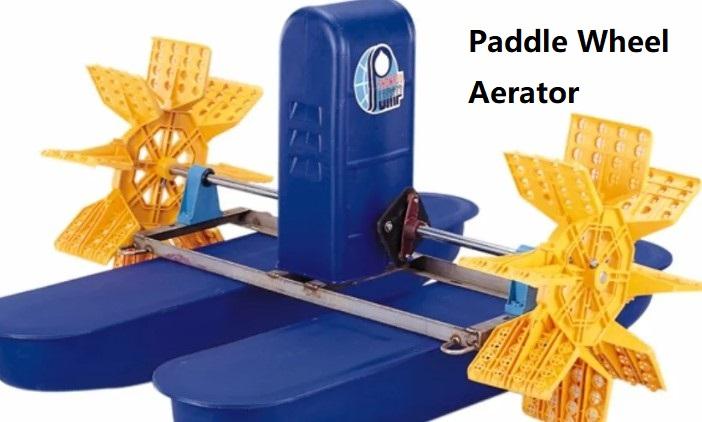
Aquaculture environments are constantly changing, and aeration equipment needs to respond to different production conditions. Factors such as water temperature, stocking density, feeding activity, and dissolved oxygen levels can influence daily aeration requirements. A Frequency Conversion Aerator provides a flexible approach by allowing motor operating speed to be adjusted according to actual conditions. For fish farmers considering a Frequency Conversion Aerator, understanding variable-speed control, energy management, equipment compatibility, and operational flexibility can help improve equipment selection and support more organized pond management.
How Variable-Frequency Technology Changes Aeration
Traditional aerators generally operate at a relatively fixed motor speed, which may not always match changing pond conditions. Variable-frequency technology offers another approach by adjusting motor speed through a frequency converter.
When the required aeration level changes, operators can adjust the operating frequency to modify the motor's rotation speed. This makes it possible to coordinate equipment operation with different water management requirements.
For example, farms may need different aeration arrangements during feeding periods, nighttime operation, or seasonal temperature changes. Rather than relying on the same operating condition throughout the day, adjustable-speed equipment provides greater control over how machinery operates.
This flexibility makes variable-frequency technology an interesting option for aquaculture facilities with changing production demands.
Matching Aeration Output With Water Conditions
Water quality management involves several factors, and oxygen requirements are not always constant. Fish activity, biomass, water temperature, and organic matter can influence dissolved oxygen conditions.
Adjustable-speed aeration allows operators to modify equipment operation according to monitoring results. When water conditions require stronger circulation, the operating frequency can be increased within the manufacturer's recommended range. When demand changes, operators can select a more appropriate setting.
However, frequency adjustment should be based on actual water conditions rather than arbitrary changes. Dissolved oxygen monitoring equipment can provide useful information for making operational decisions.
A well-planned aeration strategy combines equipment control with regular water-quality observation. This approach helps farmers coordinate machinery operation with the changing needs of their aquatic production systems.
Chinaaerator Technology and Equipment Integration
Chinaaerator focuses on aeration equipment for aquaculture applications, where different farming environments may require different operating arrangements.
When considering variable-frequency equipment, buyers should examine the relationship between the motor, frequency converter, control system, and mechanical transmission components. These parts need to work together within their specified operating ranges.
A compatible control system can make speed adjustments more convenient for operators. Depending on the equipment configuration, users may also evaluate control interfaces, electrical protection, installation requirements, and maintenance accessibility.
For equipment distributors and commercial fish farms, understanding these technical details is important when comparing different aeration solutions. The selected configuration should match the pond's operating requirements and the electrical infrastructure available at the installation site.
Energy Management and Operating Cost Considerations
Electricity consumption is an important factor in aquaculture production. Aeration equipment may operate for extended periods, so managing motor operation can influence overall energy use.
Variable-frequency control provides an opportunity to adjust motor speed rather than continuously operating at one fixed setting. Under suitable conditions, reducing motor speed may help lower electricity consumption. However, the actual result depends on the motor, equipment design, operating frequency, and required aeration output.
Farm operators should consider the balance between energy management and water-quality requirements. Reducing operating speed too much may result in insufficient circulation or oxygen transfer.
A practical energy management plan should therefore include:
-
Monitoring dissolved oxygen levels.
-
Evaluating daily aeration requirements.
-
Selecting suitable operating frequencies.
-
Checking motor temperature and operating conditions.
-
Reviewing electricity consumption over different operating periods.
These practices can help operators make informed adjustments without compromising essential pond management requirements.
Maintenance and Long-Term Equipment Reliability
Although variable-frequency technology provides greater operating flexibility, proper maintenance remains necessary. Motors, converters, cables, and mechanical components should be inspected according to the manufacturer's recommendations.
Operators should pay attention to ventilation around electrical control cabinets, secure cable connections, and possible signs of moisture or overheating. Mechanical components also require routine inspection to identify wear, loose fasteners, or abnormal vibration.
It is important to avoid frequent uncontrolled speed changes or operating the motor outside its permitted frequency range. Appropriate settings and professional installation can help protect the equipment from unnecessary operating stress.
For aquaculture businesses, choosing adjustable-speed machinery is not simply about obtaining more control. It is about integrating suitable technology into an effective water management strategy. By combining variable-frequency operation, water-quality monitoring, and regular maintenance, farms can develop more flexible aeration practices. To explore additional aeration products, industry information, and equipment solutions, visit https://www.chinaaerator.net/ .

 Arabic
 French
 Spanish
 Portuguese
 Deutsch
 Turkish
 Dutch
 Italiano
 Russian
 Romaian
 Portuguese (Brazil)
 Greek