


What Should Buyers Check in a Welding Equipment Manufacturer?
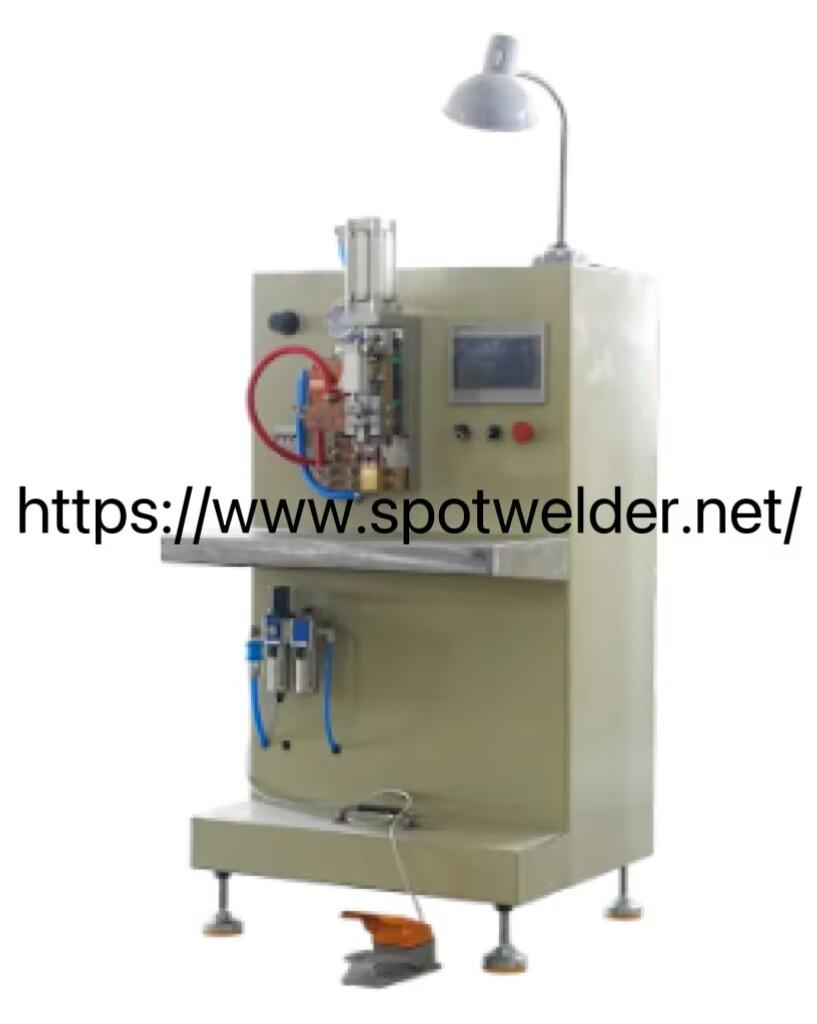
Welding Equipment Manufacturer selection should start with the actual production application rather than a catalogue description. Buyers should prepare information about material type, thickness, component dimensions, joining locations, expected output, workshop conditions, and operating procedures. These details help a supplier understand the project and create a practical basis for discussing machine configuration, tooling, testing, and customization. Careful preparation also allows purchasing teams to compare different proposals according to consistent requirements.
Describe the Production Application
Before contacting a supplier, buyers should organize the basic information about the parts that will be processed. Product drawings, photographs, dimensions, material specifications, and joining locations can give engineers a clearer picture of the intended application.
Production quantity should also be included. A machine intended for occasional batches may require a different arrangement from one operating through several shifts.
If multiple product models will use the same machine, provide information about each model. Differences in dimensions, thickness, and joining locations may affect fixture design and working clearance.
A clear application description gives both sides a useful starting point for technical communication.
Prepare Material Information
Material type and thickness can influence electrical settings, pressure requirements, tooling, and process conditions. Buyers should provide the complete range expected during normal production.
For multi-layer components, identify every layer and its thickness separately. Surface treatments, coatings, or other special conditions should also be mentioned.
If several product models involve different material combinations, list them individually. This helps determine whether one configuration can accommodate the planned range.
Providing complete material information also makes it easier for purchasing teams to compare different proposals without relying on assumptions.
Review the Machine Structure
Buyers should examine the complete machine arrangement instead of focusing on one specification. Important areas may include the power system, control unit, pressure mechanism, electrode structure, cooling method, frame dimensions, working clearance, and tooling.
The shape of the workpiece should be considered at the same time. A machine may have suitable electrical characteristics but still be unsuitable if the working area cannot reach the required joining positions.
Request dimensional drawings when necessary. These can help buyers compare the proposed footprint with available workshop space and determine whether operators can load and unload components conveniently.
Arrange Testing With Representative Parts
A sample test can provide useful information before an order is finalized. Buyers should provide actual or representative components whenever possible.
The test should reflect the intended material, thickness, component structure, and joining locations. After processing, buyers can review appearance, alignment, deformation, surface marks, and repeatability according to their own quality requirements.
If destructive inspection is part of the buyer's normal procedure, the testing method should be agreed upon before processing. Clear acceptance criteria make the evaluation more practical.
Testing can also show whether dedicated fixtures, different electrode arrangements, or configuration adjustments should be considered.
Match the Machine to Production Volume
Expected production output should be discussed during the planning stage. Buyers can provide the number of components per shift, joining points per component, operator hours, and expected changeover frequency.
When several products share one workstation, estimate how often fixtures will need to be changed. Frequent changes may influence the preferred workstation arrangement.
Future production should also be considered. If additional product models are planned, buyers may need a configuration that provides suitable flexibility for later applications.
Discussing current and future requirements together gives the supplier a clearer understanding of the project scope.
Evaluate Fixtures and Tooling
Fixtures help position components consistently during operation. Their design should correspond with workpiece dimensions, joining locations, loading direction, and operator access.
Buyers should provide detailed drawings when custom fixtures are required. This allows the supplier to determine whether standard tooling is appropriate or whether a dedicated arrangement should be developed.
For several product models, ask whether interchangeable fixtures can be used. Also discuss fixture adjustment, maintenance, replacement, and storage requirements.
Tooling should be evaluated together with the machine configuration rather than treated as a separate purchasing detail.
Check Control Functions
The control system should match the production workflow and operator requirements. Buyers can ask about parameter adjustment, monitoring functions, alarm information, stored settings, and access permissions.
If multiple operators or shifts will use the same machine, consistent operating procedures can help maintain the intended process.
Customized control requirements should be identified before the quotation is finalized. Buyers should clarify which functions are included and which require additional development.
This prevents misunderstandings about the final configuration and gives the purchasing team a clearer basis for comparing proposals.
Review Workshop Conditions
The workshop should be assessed before delivery. Buyers need to confirm electrical supply, floor area, compressed air, cooling arrangements, ventilation, and access routes according to the proposed configuration.
The installation area should provide sufficient space for loading, unloading, routine adjustments, and maintenance.
Transportation routes should also be checked. Door widths, lifting arrangements, floor conditions, and the final installation position can affect delivery planning.
Sharing these details early gives the supplier an opportunity to identify potential installation concerns before shipment.
Confirm Inspection and Documentation
Buyers should ask how the completed machine will be checked before shipment. Inspection may cover mechanical functions, electrical operation, control settings, tooling dimensions, and sample processing.
The approved specification should record machine dimensions, electrical requirements, control functions, tooling, accessories, packaging, and branding requirements where applicable.
Operating instructions and maintenance information should also be discussed. Clear documentation gives operators and maintenance personnel useful references after installation.
For repeat orders, keeping the approved specification can make future communication easier and help maintain consistency between purchasing cycles.
Discuss Support After Delivery
A purchasing decision should also consider future service requirements. Buyers can ask about spare components, replacement tooling, maintenance guidance, troubleshooting communication, and operator training.
If the project involves customized machinery, discuss how future product changes will be handled. Significant changes to component dimensions or joining locations may require updated drawings or new testing.spotwelder works with buyers to discuss application requirements, machine configurations, tooling arrangements, and production conditions. Providing detailed information about components, materials, output targets, and workshop conditions can make technical discussions more focused.A practical supplier comparison should consider the complete project rather than one isolated specification. Application compatibility, machine structure, testing, tooling, production targets, installation requirements, documentation, and future service all deserve attention. Buyers can review available solutions and discuss their requirements at https://www.spotwelder.net/product/ with spotwelder.

 English
 Arabic
 French
 Spanish
 Deutsch
 Turkish
 Dutch
 Italiano
 Russian
 Romaian
 Portuguese (Brazil)
 Greek