


Chimney Repair and Chimney Flashing Repair: Protect Your Home from Costly Roof Damage
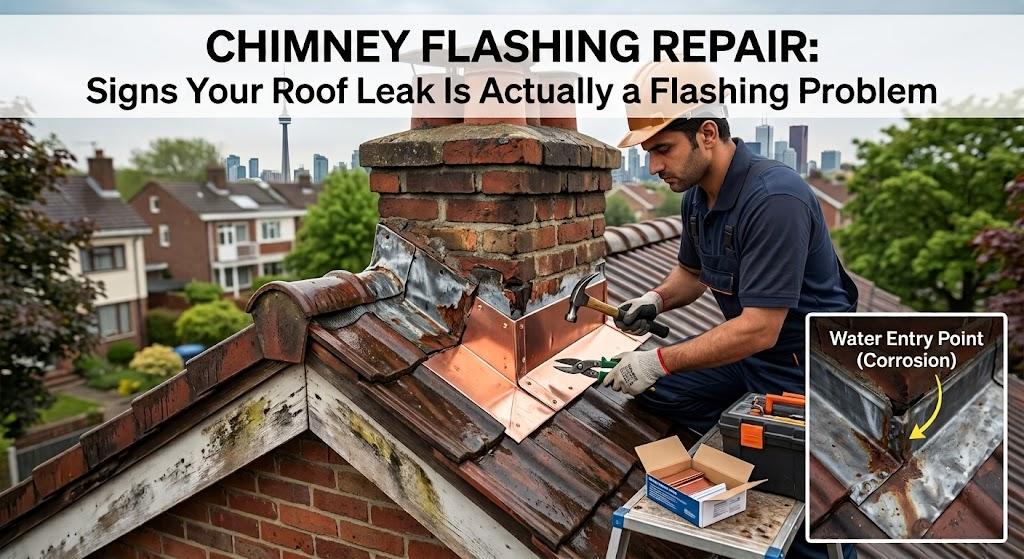
A chimney is an important part of your home's structure, providing ventilation for fireplaces and helping direct smoke and harmful gases safely outdoors. However, exposure to rain, snow, wind, and changing temperatures can gradually damage different chimney components. One area that homeowners should never overlook is the flashing, which creates a protective seal where the chimney meets the roof. When this seal becomes loose, cracked, or deteriorated, water can enter the home and cause expensive damage. Professional chimney repair and timely chimney flashing repair help maintain your property's structural integrity while preventing moisture-related problems.
Understanding Why Chimney Maintenance Matters
Many homeowners only think about chimney maintenance when they notice water stains, loose bricks, or problems with their fireplace. Unfortunately, chimney damage often develops gradually and may remain hidden for months.
A chimney consists of several interconnected components, including masonry, mortar joints, the chimney crown, flue liner, cap, and flashing. Each component serves a specific purpose, and damage to one area can affect the overall performance of the structure.
Regular maintenance helps identify early warning signs, reduce safety risks, and prevent minor defects from developing into major structural concerns. Scheduling professional inspections is particularly important after severe weather or when an older chimney begins showing signs of deterioration.
What Is Chimney Flashing and Why Is It Important?
Chimney flashing is a waterproof barrier installed around the point where the chimney passes through the roof. It typically consists of metal materials such as aluminum, galvanized steel, or copper, depending on the roofing system and installation requirements.
Its primary purpose is to prevent rainwater and melting snow from entering the gap between the chimney and roof surface.
A properly installed flashing system generally includes several components:
-
Step flashing: Installed along the sides of the chimney and integrated with roof shingles.
-
Counter flashing: Positioned over the step flashing and secured into the chimney masonry to provide additional protection.
-
Base flashing: Helps direct water away from the chimney and roof intersection.
-
Sealant: Used where appropriate to protect vulnerable joints and connections.
When these components are correctly installed and maintained, they create an effective barrier against water intrusion.
Common Signs You Need Chimney Flashing Repair
Damaged flashing is one of the common reasons homeowners experience roof leaks around their chimneys. Recognizing the warning signs early can help prevent extensive repairs.
1. Water Stains on Ceilings and Walls
Brown or yellow stains near the chimney area may indicate that water is entering through damaged flashing. Moisture can travel along roof structures before becoming visible inside the home.
2. Loose or Rusted Metal Flashing
Over time, exposure to moisture and temperature changes can cause metal flashing to corrode, loosen, or separate from surrounding materials. These gaps create opportunities for water penetration.
3. Cracked or Deteriorating Sealant
Sealant around chimney flashing can become brittle due to prolonged exposure to sunlight and changing weather conditions. Once it cracks or separates, water may find its way underneath the protective barrier.
4. Damaged Roof Shingles
Missing, curling, or deteriorating shingles around the chimney can compromise the flashing system and increase the risk of leaks.
5. Moisture Around the Fireplace
Water entering through the chimney structure may eventually appear as dampness, unpleasant odors, or discoloration near the fireplace.
If you notice any of these problems, arranging a professional assessment is a sensible next step.
How Professional Chimney Repair Addresses These Problems
The correct repair approach depends on the location, severity, and underlying cause of the damage. A professional chimney specialist will inspect the masonry, roof connection, flashing, and surrounding materials before recommending a solution.
Common chimney repair services include:
Flashing Replacement and Restoration: If the existing flashing is badly corroded, separated, or improperly installed, replacing it may be necessary. New flashing should be properly integrated with the roofing materials and chimney masonry.
Masonry and Mortar Repairs: Cracked bricks and deteriorating mortar joints can allow moisture to enter the chimney. Repointing and masonry restoration help strengthen the structure and improve its weather resistance.
Chimney Crown Repair: The crown protects the upper masonry from direct water exposure. Repairing cracks and deteriorated sections helps prevent moisture from damaging the chimney.
Chimney Cap Installation: A properly fitted chimney cap helps prevent rain, debris, and animals from entering the flue while supporting proper ventilation.
Roof Leak Investigation: Sometimes water entering around a chimney is caused by multiple issues rather than flashing alone. A thorough assessment helps identify the actual source of the leak.
Why You Should Never Ignore Chimney Leaks
A small leak may not seem like an urgent problem, but prolonged moisture exposure can create several complications. Water can damage roof decking, insulation, drywall, ceilings, and nearby wooden structures. Persistent dampness may also encourage mold growth and accelerate masonry deterioration.
In colder climates, moisture trapped inside masonry can freeze and expand, worsening cracks and weakening the surrounding materials.
Delaying necessary chimney repair can therefore increase the scope and cost of restoration work. Addressing the problem early is generally more practical than waiting for visible interior damage.
Practical Ways to Prevent Chimney Flashing Problems
Although chimney flashing naturally experiences wear over time, regular maintenance can help extend its service life.
-
Arrange periodic professional chimney and roof inspections.
-
Check for visible signs of corrosion or separation around flashing.
-
Keep nearby roof gutters clear to support proper drainage.
-
Address damaged shingles before water reaches the underlying roof structure.
-
Repair deteriorating mortar joints and chimney crowns promptly.
-
Avoid relying on temporary sealant applications as a permanent solution for damaged flashing.
Professional maintenance helps ensure that all chimney components work together to protect your home.
Keep Your Chimney Strong with Timely Repairs
Your chimney faces constant exposure to environmental conditions, making proper maintenance essential throughout the year. From deteriorating masonry to damaged roof connections, even minor issues can eventually affect your property's protection and structural stability.
Investing in professional chimney repair and dependable chimney flashing repair helps prevent water intrusion, preserve masonry, and reduce the likelihood of expensive roof damage. Whether you are dealing with a visible leak or simply want to maintain an aging chimney, a professional inspection can help identify the right solution.
Taking action today can protect your roof, improve your chimney's durability, and provide greater confidence that your home is prepared for changing weather conditions.

 English
 Arabic
 French
 Spanish
 Portuguese
 Deutsch
 Turkish
 Italiano
 Russian
 Romaian
 Portuguese (Brazil)
 Greek