


How Plastic Bottles Printing Dubai Helps Businesses Create Practical Promotional Gifts
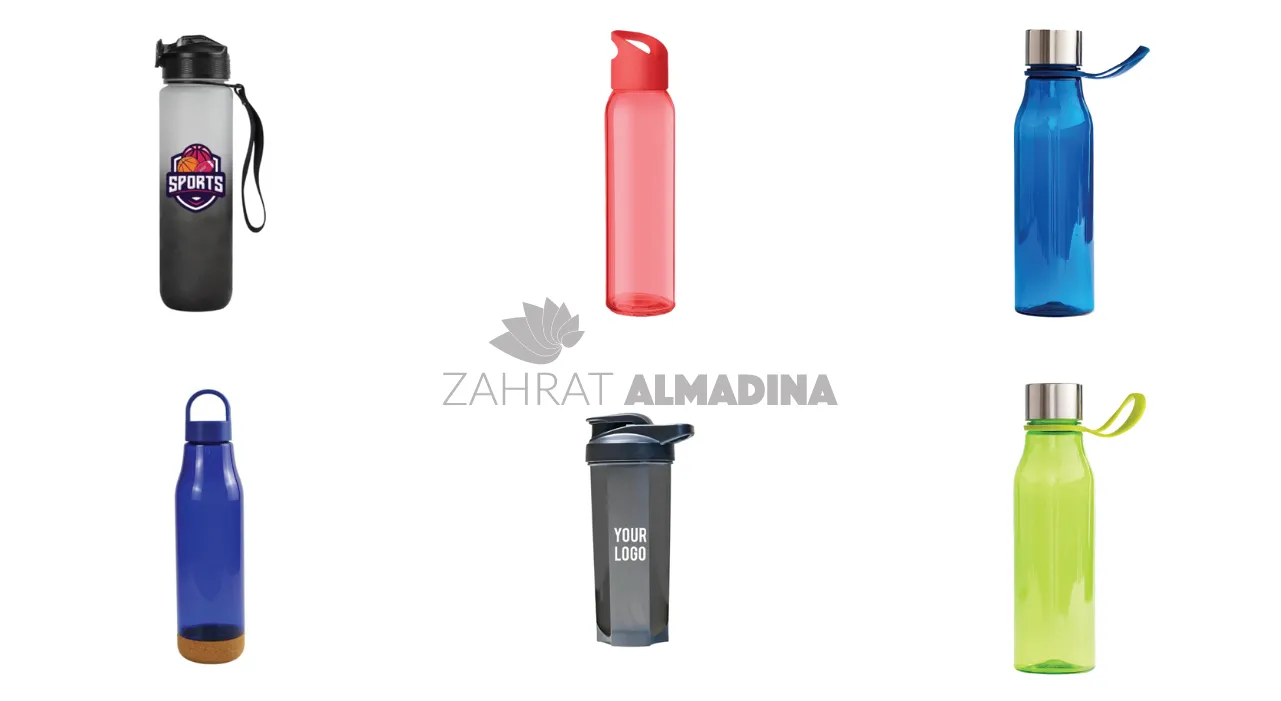
Plastic bottles have become a familiar part of everyday life, from office desks and gym bags to schools, outdoor events and travel. For businesses, they also offer a practical way to increase brand visibility without relying on disposable promotional materials. The growing demand for plastic bottles printing Dubai reflects the interest in reusable drinkware that combines everyday convenience with company branding. However, choosing the right bottle involves more than adding a logo to its surface. Material quality, capacity, printing methods, artwork and intended use all influence the final result. Understanding these details helps businesses select suitable bottles for employees, customers, exhibitions and marketing campaigns while ensuring that the finished products remain useful after the event has ended.
What to Consider When Choosing Plastic Bottles Printing Dubai
Plastic bottles are available in various shapes, sizes, colours and designs. Although they may look similar at first, differences in material, construction and usability can affect how well they perform. Before ordering printed bottles, businesses should consider where recipients will use them and how frequently they are likely to refill them.
Choose the Right Plastic Material
The material is one of the most important factors because it affects durability, appearance and suitability for repeated use.
-
PET plastic: Commonly used for lightweight beverage bottles. It offers good clarity and is often selected for single-use or short-term applications.
-
BPA-free plastic: Some reusable bottles use plastic materials marketed as BPA-free. Buyers should still check the manufacturer's material specifications and suitability for the intended purpose.
-
Tritan-style copolyester: Certain reusable bottles use durable, clear copolyester materials. They can offer a glass-like appearance while being lighter and less likely to break than glass.
-
Polypropylene: Often used for reusable drinkware because it is lightweight and suitable for many everyday applications.
Not every plastic bottle is designed for repeated refilling. A bottle intended for one-time beverage packaging may not offer the same durability as a reusable sports or promotional bottle. Businesses should check the product specifications rather than assuming that all plastic bottles serve the same purpose.
Consider Capacity and Shape
Bottle capacity should match the needs of the intended audience. Smaller bottles are convenient for short events, children's activities and compact bags, while larger options may suit gym users, office employees and people who spend long periods outdoors.
Shape also matters. A narrow design may fit standard vehicle cup holders, whereas a wider bottle can offer a larger printing area. Bottles with textured grips, carrying loops or easy-open lids may be more convenient for particular audiences.
Different Types of Printed Plastic Bottles
The available designs make plastic bottles suitable for several types of promotional activities. Selecting a style that matches the occasion can improve the likelihood that recipients will use the bottle regularly.
Sports and Fitness Bottles
Sports bottles are designed for active use. They often feature lightweight bodies, easy-grip surfaces and lids that allow users to drink while exercising. Some include flip-top caps or spouts, making them convenient for gyms, cycling, running and outdoor training.
Fitness centres can distribute branded bottles to new members, while sports clubs may use them for tournaments and team activities. A simple logo with clear brand colours usually works well because it remains visible without making the bottle look overcrowded.
Promotional Water Bottles
Promotional bottles are commonly distributed at exhibitions, conferences, product launches and community events. They can carry a company logo, campaign message or event identity.
For example, a business attending a trade exhibition might prepare bottles in its corporate colours and include a short brand message. Visitors can use them during the event and potentially continue using them afterwards.
Office and Everyday Bottles
Office bottles often have a simple appearance that suits desks, meeting rooms and employee welcome kits. A practical lid, comfortable grip and moderate capacity can make these designs suitable for daily use.
Companies may also distribute them during staff onboarding or internal events. Adding an employee's name alongside a small company logo can create a more personal design without making the branding too prominent.
Children's and School Bottles
Bottles for children usually need to be lightweight, easy to hold and simple to open. Bright colours and attractive artwork can make them appealing, but practical features should remain the priority.
Parents and schools should pay attention to lid construction, cleaning requirements and age suitability. Small detachable parts may not be appropriate for younger children, so product specifications and safety information should always be checked before placing an order.
Printing Methods Used for Plastic Bottles
The printing method determines how the artwork appears on the bottle and how well it suits the material. Not every technique works equally well on every plastic surface. The bottle's shape, finish, colour and available printing area should guide the decision.
Screen Printing
Screen printing transfers ink through a prepared mesh screen onto the bottle's surface. It is commonly used for simple logos, text and designs with a limited number of colours.
This method can be suitable for larger orders where the same artwork appears across many bottles. However, curved surfaces and complex designs may require special handling. Businesses should ask for a sample or production preview to understand how the artwork will look on the selected bottle.
UV Printing
UV printing uses specially formulated inks that are cured using ultraviolet light. It can reproduce detailed artwork and multiple colours on compatible surfaces.
This method may suit promotional bottles that require colourful logos, illustrations or more detailed designs. The result depends on the bottle's material, surface preparation and the printing equipment used. It is worth confirming whether the chosen bottle supports direct UV printing before approving the artwork.
Pad Printing
Pad printing transfers an image from an engraved plate onto a product using a flexible silicone pad. The pad can adapt to certain curved surfaces, making the technique useful for printing small logos on bottles with uneven shapes.
It is often considered for compact designs rather than large, detailed artwork. Businesses should check the maximum printable area because the visible logo size may be smaller than expected.
Choosing the Most Suitable Method
The right technique depends on the design and quantity. A single-colour company logo may work well with screen printing or pad printing, while a more detailed graphic may require another suitable process.
Before confirming an order, check these points:
-
Whether the printing method is compatible with the bottle material.
-
How many colours the design requires.
-
Whether the artwork needs to wrap around the bottle.
-
How much of the surface can be printed.
-
Whether the printed finish can withstand normal handling and cleaning.
-
Whether a physical sample is available for approval.
A clear discussion with the printer can prevent problems such as distorted artwork, poor contrast or logos that appear too small.
How to Design an Effective Branded Bottle
A bottle should look attractive while remaining easy to use. Good design does not necessarily require large graphics or several colours. In many cases, a simple layout creates a cleaner and more professional appearance.
Keep the Logo Clear and Readable
The company logo should be large enough to recognise but should not cover every available surface. A small logo positioned on the front can be more effective than a design containing too much text.
If the logo includes fine lines or small lettering, check that the selected printing method can reproduce those details. Very thin elements may become difficult to see on textured or curved surfaces.
Use Suitable Brand Colours
Colour selection influences how well the design stands out. A dark logo may be easy to read on a light bottle, while white artwork can work well on darker colours.
Businesses should consider the bottle's original colour before preparing the artwork. A design that looks good on a computer screen may appear different when printed on a coloured or transparent surface.
Choose the Right Printing Position
Most bottles have limited flat space. The best printing position depends on the shape, lid, grip and how people normally hold the product.
A front-facing logo is easy to recognise when the bottle is placed on a desk. For promotional campaigns, a larger printable area may allow additional details such as a short message or event name. However, important information should not be placed where it becomes hidden by the user's hand.
Review Artwork Before Production
Artwork should be supplied in a suitable high-resolution or vector format whenever possible. This helps maintain clean edges and accurate proportions during production.
A proof should be reviewed for spelling, logo alignment, colour accuracy and overall size. If the bottle is unusually shaped, a sample can help reveal design issues that may not be obvious in a digital preview.
Where Businesses Can Use Customised Bottles
Branded drinkware is useful across many industries because people need water throughout the day. The best promotional results usually come from matching the bottle style to the activity rather than choosing a product simply because it is inexpensive.
Corporate Events and Employee Welcome Kits
Companies can include bottles in welcome packs for new employees, training sessions and internal meetings. A practical bottle gives staff something they can use at work, during commuting or outside the office.
A customised water bottle can also form part of a larger gift set containing a notebook, pen, tote bag or other useful item. Matching the colours and artwork across the products can create a consistent appearance.
Exhibitions and Trade Shows
Exhibitions often involve long periods of walking, conversations and product demonstrations. A branded bottle can be a useful giveaway for visitors who spend several hours at the venue.
Businesses should consider the event's audience before selecting the design. A compact bottle may suit visitors who carry small bags, while a larger sports bottle may be more appropriate for outdoor exhibitions.
Schools, Colleges and Educational Activities
Educational institutions may use printed bottles for sports days, student events, competitions and orientation programmes. A school logo or event design can help identify the bottles and make them suitable keepsakes.
For younger students, lightweight construction and easy-to-clean lids are particularly important. The selected product should also meet the institution's requirements for age suitability and intended use.
Gyms and Sports Organisations
Gyms, fitness studios and sports clubs can distribute branded bottles as membership gifts or event merchandise. Sports-oriented designs with practical lids and comfortable grips are often more suitable than decorative bottles.
For example, a fitness centre might provide a bottle to participants joining a new training programme. The product can encourage regular hydration while keeping the organisation's branding visible.
Retail Promotions and Product Campaigns
Retail businesses may include bottles in seasonal promotions, customer reward programmes or product launch packages. A bottle can also be offered as part of a purchase bundle.
The design should reflect the campaign rather than carry unrelated branding. When the artwork matches the wider promotional theme, the bottle becomes a more coherent part of the marketing activity.
Businesses comparing printing options in Dubai may come across Zahrat Al Madina Printing when researching suppliers of printed promotional products. As with any printing order, it is sensible to review the available bottle materials, artwork requirements and production samples before confirming the final specification.
How to Order Printed Bottles Without Common Mistakes
A successful order begins with a clear understanding of the quantity, design and intended use. Rushing through the specification can lead to products that look different from expectations or are unsuitable for the recipients.
Define the Purpose Before Selecting a Product
Start by deciding whether the bottles are intended for an exhibition, office use, sports activities, school events or customer giveaways. This makes it easier to narrow down the suitable styles and capacities.
For instance, a bottle intended for a corporate desk may prioritise appearance and a secure lid, while a sports bottle may need a convenient drinking spout and a comfortable grip.
Confirm the Quantity and Budget
The order quantity can influence the available printing methods and overall cost. Larger orders may allow access to different production options, but businesses should not order more than they can reasonably distribute.
When comparing quotations, check what the price includes. Bottle type, printing colours, artwork preparation, packaging and delivery arrangements can all affect the final amount.
Check the Bottle and Printing Quality
A digital catalogue does not always show the full quality of a product. If possible, request a physical sample to inspect the material, lid, finish and printed artwork.
Pay attention to the following details:
-
Whether the lid fits securely.
-
Whether the bottle feels comfortable to hold.
-
Whether the surface has visible defects.
-
Whether the logo is correctly positioned.
-
Whether the printed colours match the approved design.
-
Whether the product is suitable for repeated use, if that is its intended purpose.
Allow Time for Production
Custom printing involves more than the actual printing stage. Artwork preparation, approval, production, quality checks and delivery may all require time.
Businesses planning bottles for a conference or promotional event should place orders early enough to allow for revisions. A confirmed production schedule is especially important when the bottles need to be distributed on a specific date.
Cleaning, Care and Long-Term Use
Reusable plastic bottles need regular cleaning, particularly when people use them throughout the day. Even a bottle that looks clean can develop unpleasant smells or residue if it is not washed properly.
Follow the Manufacturer's Cleaning Instructions
Not every plastic bottle is dishwasher-safe. Some materials or printed finishes may be affected by high temperatures, strong detergents or abrasive cleaning tools.
Users should follow the care instructions supplied with the product. Where hand washing is recommended, warm water and mild washing-up liquid are generally suitable for routine cleaning, provided the manufacturer's instructions allow them.
Pay Attention to Lids and Seals
Bottle lids can collect moisture and residue around threads, seals and drinking spouts. These areas should receive particular attention during cleaning.
If the bottle includes a removable seal, check whether it can be taken out safely for washing. All components should dry properly before the bottle is closed and stored.
Know When to Replace a Bottle
Reusable bottles do not last indefinitely. Deep scratches, cracks, damaged lids, persistent odours and changes in appearance can indicate that a bottle needs replacing.
Users should also avoid exposing plastic bottles to heat or direct sunlight unless the material is specifically designed for those conditions. A product's stated temperature limits and care instructions should always take priority.
Conclusion
Printed plastic bottles can serve as practical promotional gifts when businesses choose suitable materials, useful designs and compatible printing methods. The most effective option depends on the intended audience, bottle capacity, artwork and expected frequency of use. A clear logo, comfortable shape and easy-to-clean construction can make a bottle more appealing long after an event or campaign has finished. By checking samples, reviewing artwork and confirming production details before ordering, businesses can avoid common mistakes and select branded drinkware that offers genuine everyday value.

 English
 Arabic
 French
 Portuguese
 Deutsch
 Turkish
 Dutch
 Italiano
 Russian
 Romaian
 Portuguese (Brazil)
 Greek