


Dog Internal Bleeding Symptoms Every Pet Owner Should Recognize
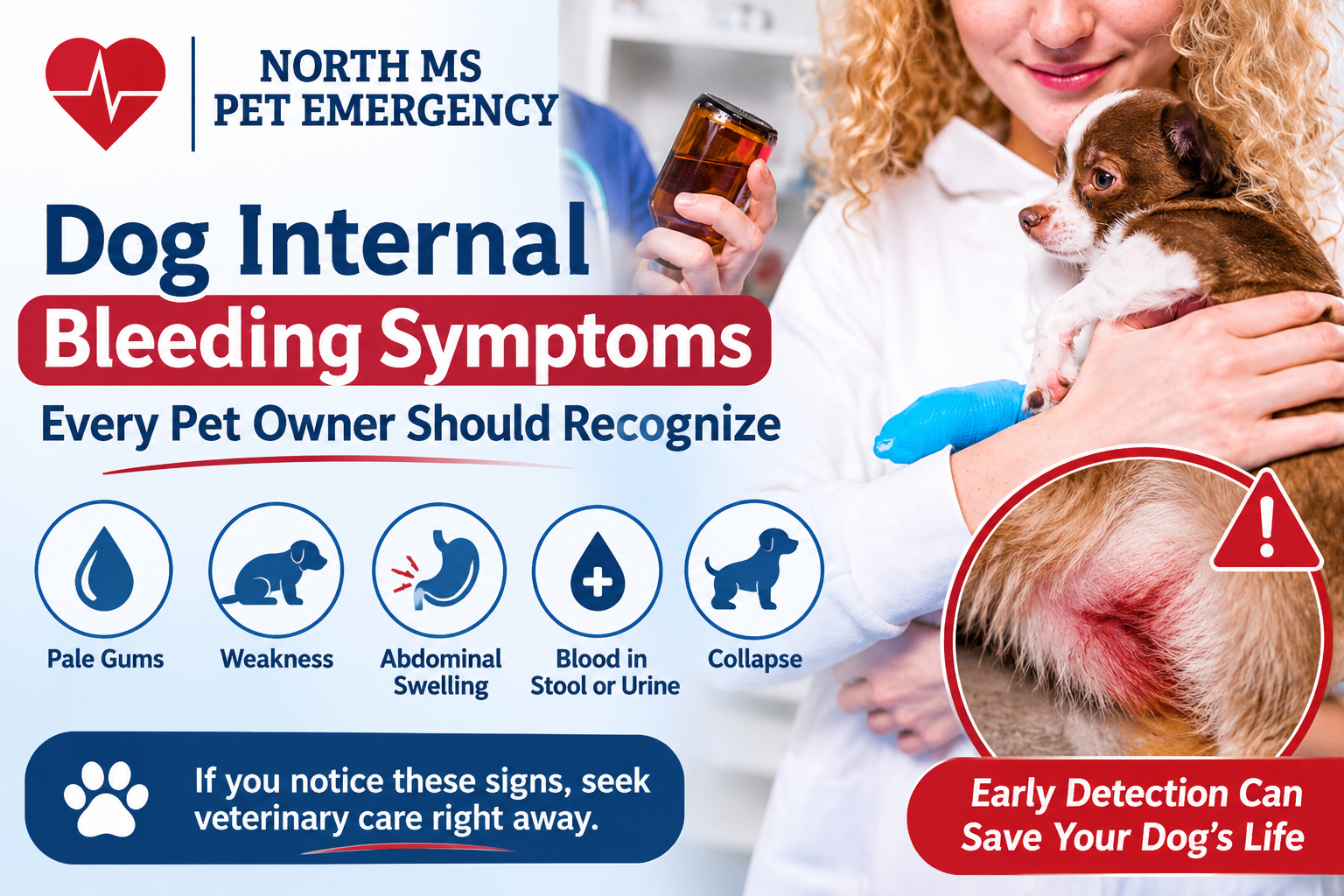
Internal bleeding is among the most dangerous conditions a dog can experience precisely because it happens invisibly. While an external wound announces itself clearly through visible blood and an obvious injury site, internal blood loss accumulates within the body where no visual inspection can confirm it is occurring. By the time dog internal bleeding symptoms become obvious to an owner, the condition may already be at a critical stage where the body's compensatory mechanisms are being overwhelmed and the window for effective intervention is narrowing. Pet owners who know the early signs of internal bleeding in dogs, understand the conditions that cause it and recognize when the situation demands emergency veterinary care without delay are in a far stronger position to protect their animals than those encountering this knowledge for the first time during a crisis. This guide provides that knowledge comprehensively.
Why Internal Bleeding Is So Deceptively Dangerous
The Body's Compensatory Response
When a dog begins losing blood internally, the body activates a series of physiological responses designed to maintain blood pressure and oxygen delivery to vital organs despite the reducing circulating volume. The heart rate increases to circulate available blood more rapidly. Blood vessels constrict in peripheral tissues to redirect blood toward the heart, brain and other essential organs. The spleen releases stored red blood cells to temporarily augment the circulating supply.
These compensatory mechanisms are effective within limits and they create a period during which a dog may appear relatively normal despite significant internal blood loss. The danger is that when these mechanisms are finally overwhelmed, the deterioration can be rapid and dramatic. A dog that seemed stable minutes ago may suddenly collapse as compensation fails. This pattern of initial apparent stability followed by sudden severe deterioration is one of the hallmarks of serious internal bleeding and one of the most important reasons why professional veterinary evaluation after any significant trauma is essential even when a dog seems relatively unaffected immediately afterward.
Common Causes of Internal Blood Loss in Dogs
Understanding which situations and conditions create the risk of internal bleeding helps owners apply appropriate urgency to assessment and seek care before the compensatory mechanisms fail and the condition reaches its critical phase.
Vehicle accidents are one of the most common causes of traumatic internal bleeding in dogs. The force of impact can rupture the liver, spleen, kidneys or intestinal blood vessels without producing external wounds or obviously serious visible injuries. A dog struck by a vehicle who is walking after the incident has not been confirmed as uninjured internally. They require professional veterinary evaluation regardless of how stable they appear.
Splenic tumors, particularly hemangiosarcomas, represent the most common non traumatic cause of acute internal bleeding in dogs. These vascular tumors develop within the spleen and have a tendency to rupture suddenly and without warning, causing massive hemorrhage into the abdominal cavity. Older large breed dogs are disproportionately affected though splenic tumors can occur in any breed. A dog that collapses suddenly without known trauma should always be evaluated for tumor rupture as a priority.
Rodenticide poisoning is another significant non traumatic cause of internal blood loss. Anticoagulant rodenticides work by blocking the production of vitamin K dependent clotting factors, progressively impairing the blood's ability to clot. Affected dogs may appear normal for several days after exposure as clotting factor reserves deplete, then develop sudden severe bleeding at multiple sites simultaneously when the reserve is exhausted.
Recognizing Dog Internal Bleeding Symptoms
Early Signs That Are Commonly Missed
The earliest signs of internal blood loss in dogs are nonspecific and are frequently attributed to other causes including fatigue, illness or normal variation in behavior. This is precisely what makes them clinically important to recognize in the context of situations that carry internal bleeding risk.
Progressive lethargy or weakness developing over a relatively short period, particularly following any traumatic event or in an older dog with a known or suspected abdominal mass, should be treated with appropriate urgency rather than attributed to tiredness. The weakness reflects reducing oxygen delivery to muscle tissue as circulating blood volume decreases.
Changes in gum color from the healthy pink of normal well oxygenated mucous membranes to pale pink, white or grayish are among the most accessible and clinically reliable early signs of internal bleeding available to owners at home. Checking gum color takes seconds and provides immediate useful information about circulatory status. Any gum color that is noticeably lighter than normal in a dog that has recently experienced trauma or that belongs to a high risk population for splenic tumors warrants urgent veterinary contact.
Advanced Signs That Indicate Serious Blood Loss
As internal blood loss progresses beyond the compensatory capacity of the body's physiological responses, the clinical signs become more pronounced and unmistakable. Rapid or labored breathing at rest without obvious respiratory cause reflects the respiratory system compensating for reduced oxygen carrying capacity in the blood. A noticeably elevated heart rate that does not settle after rest reflects cardiovascular compensation under increasing strain.
A visibly distended abdomen, sometimes described as a pot bellied appearance developing relatively rapidly, indicates the accumulation of significant blood volume within the abdominal cavity. This finding combined with weakness and pale gums in a dog without prior abdominal distension is strongly suggestive of major abdominal hemorrhage requiring emergency assessment.
Collapse or complete inability to stand occurs when circulatory compensation has been exhausted and blood pressure can no longer be maintained at the level needed for normal function. At this stage the condition is immediately life threatening and emergency intervention is required without any delay.
Our detailed article on dog internal bleeding symptoms every pet owner should know provides comprehensive clinical detail that supplements this guide and is worth reviewing as part of your emergency preparedness knowledge.
The table below summarizes the progression of signs from earliest presentation through advanced stages.
|
Stage |
Clinical Signs |
Action Required |
|
Earliest |
Unexplained lethargy, subtle behavioral change, mild weakness |
Veterinary contact, describe situation and seek guidance |
|
Early |
Pale gum color, progressive weakness, reduced appetite |
Same day or urgent veterinary evaluation |
|
Moderate |
Rapid breathing at rest, elevated resting heart rate, visible abdominal distension |
Emergency veterinary assessment same day |
|
Advanced |
Collapse, inability to stand, cold extremities, very pale or white gums |
Immediate emergency veterinary care, transport now |
|
Critical |
Loss of consciousness, respiratory compromise, unresponsive |
Immediate emergency transport, call ahead while moving |
The Specific Urgency of Post Trauma Assessment
Why Stable After Trauma Does Not Mean Safe
One of the most important principles for any dog that has experienced significant physical trauma is that apparent stability immediately after the incident does not confirm absence of internal injury. The compensatory mechanisms described earlier in this guide can maintain adequate blood pressure and relatively normal behavior for a period of time while internal hemorrhage continues to accumulate. The moment those mechanisms are overwhelmed, deterioration happens quickly.
A dog that was struck by a vehicle and is walking around seemingly normally twenty minutes later may have sustained internal organ damage that is not yet producing obvious external signs. The appropriate response to any significant traumatic event is professional veterinary evaluation the same day regardless of how the dog appears immediately afterward. Waiting until the following morning to schedule a routine appointment is not appropriate for trauma of significant force.
For guidance on managing a dog suspected of internal bleeding during transport to the emergency facility, our article on how to handle pet trauma before reaching emergency care provides the practical steps most relevant to this specific situation.
How Vets Diagnose and Treat Internal Bleeding
Rapid Assessment and Stabilization
When a dog with suspected internal blood loss arrives at an emergency facility, the clinical assessment and stabilization begin simultaneously. Vital signs are assessed, intravenous access is established immediately to provide fluid therapy and emergency medication access and oxygen supplementation is provided where indicated.
Abdominal ultrasound using the FAST scan protocol allows detection of free fluid in the abdominal cavity within minutes of the dog's arrival. This rapid non invasive assessment provides the clinical team with confirmation of internal hemorrhage while stabilization is underway, allowing surgical preparation to begin without waiting for additional diagnostic steps.
Complete blood work including packed cell volume, total protein measurement, coagulation testing and blood chemistry panels together provide information about the severity of blood loss, the adequacy of clotting function and the degree to which organ function has been affected by reduced perfusion during the period of compensated hemorrhage.
Treatment Options
Blood transfusions are used when blood loss has reduced red blood cell levels to the point that oxygen delivery to vital organs is insufficient to sustain normal function. Transfusion provides immediate replacement of oxygen carrying capacity and buys time for the underlying cause to be addressed. Fresh frozen plasma provides clotting factor replacement when coagulation disorders including rodenticide poisoning are contributing to ongoing blood loss.
Surgical intervention is required when the source of bleeding cannot be controlled without direct visualization and repair. Ruptured splenic tumors causing abdominal hemorrhage typically require emergency splenectomy. Traumatic organ lacerations may require surgical repair or partial resection. The decision to proceed to surgery is made based on the patient's stability, the suspected source of bleeding and the response to initial medical stabilization.
For rodenticide related blood loss, treatment involves vitamin K supplementation to restore clotting factor production alongside supportive care including transfusion where necessary. Treatment must be continued for several weeks because the anticoagulant effect of some rodenticide compounds persists for extended periods requiring ongoing vitamin K supplementation well beyond the apparent resolution of acute bleeding.
Prevention and Risk Reduction
Reducing Exposure to Trauma Risks
The most significant single risk reduction measure for traumatic internal bleeding is preventing unrestrained access to vehicle traffic. Dogs that run freely near roads, escape from yards and reach traffic or travel unrestrained in vehicles have substantially higher risk of traumatic internal injury than those with appropriate physical containment and vehicle restraint. These measures are straightforward and effective.
Proper vehicle restraint for dogs during travel protects both the dog and human occupants of the vehicle in the event of an accident. A dog that is unrestrained in a vehicle becomes a projectile in any collision, creating risk of traumatic injury from the collision itself and from being thrown inside the vehicle.
Awareness of At Risk Populations
Older large breed dogs, particularly those over eight years of age, have meaningfully elevated risk of splenic tumors capable of causing sudden catastrophic internal hemorrhage. For dogs in this population, regular abdominal ultrasound screening allows detection of splenic masses before they rupture, creating the opportunity for elective surgical intervention rather than emergency management of acute hemorrhage. Discussing screening recommendations with your veterinarian for any large breed dog over seven years of age is a worthwhile preventive conversation.
Keeping all rodenticide products completely away from areas accessible to dogs eliminates one of the most significant non traumatic causes of internal blood loss. If rodenticides must be used in any area a dog can access, contacting an emergency veterinarian immediately if any exposure is suspected rather than waiting for clinical signs is the correct response.
The importance of acting quickly when internal bleeding is suspected cannot be overstated. Understanding the impact of delayed emergency care in clinical terms reinforces why the tendency to watch and wait when signs of internal bleeding are present carries real and measurable consequences for survival and recovery.
Conclusion
Dog internal bleeding symptoms ranging from early subtle changes in gum color and energy level through advanced signs of cardiovascular compromise and collapse are the visible expression of a serious and potentially fatal internal process that requires emergency veterinary intervention to address. Recognizing these signs in their early stages and responding with prompt professional assessment gives your dog the best possible chance of the outcome that aggressive and timely emergency care can provide.
At North MS Pet Emergency, we provide after hours and weekend emergency care for dogs experiencing suspected internal blood loss and other serious conditions across North Mississippi including Tupelo and Starkville as well as Northwest Alabama and Southwest Tennessee. If your dog is showing any of the signs described in this guide, do not wait. Contact us immediately and our team will be ready to help.
FAQs
Q: What are the earliest dog internal bleeding symptoms I can check for at home?
A: The most accessible early signs are changes in gum color from healthy pink to pale or white, progressive weakness developing over a short period without obvious cause and reduced interest in activity. Checking gum color takes seconds and provides reliable information about circulatory status in a dog that may be developing internal blood loss.
Q: Can a dog seem normal after a vehicle accident and still have internal bleeding?
A: Yes. The body's compensatory response to blood loss can maintain apparently normal behavior for a period after significant internal injury. Apparent stability after any significant trauma does not confirm absence of internal injury. Professional veterinary evaluation on the same day as any significant traumatic event is always appropriate regardless of how the dog appears immediately afterward.
Q: How quickly can internal blood loss in dogs become life threatening?
A: The timeline depends entirely on the source of bleeding and the rate of hemorrhage. Rupture of a large vessel or vascular tumor can cause life threatening blood loss within minutes to hours. Slower internal hemorrhage from smaller vessels may allow more time but still requires urgent evaluation because deterioration can accelerate suddenly without warning when compensation is exhausted.
Q: What causes internal bleeding in dogs that are not involved in any obvious accident?
A: Splenic tumors that rupture spontaneously are the most common non-traumatic cause of acute internal bleeding in dogs, particularly in older large breed dogs. Rodenticide poisoning causes progressive coagulation failure leading to internal bleeding at multiple sites simultaneously. Immune mediated conditions affecting platelet numbers or function can also cause internal hemorrhage without obvious external cause.
Q: How is internal blood loss in dogs treated once a dog reaches emergency care?
A: Treatment combines immediate stabilization through intravenous fluids and oxygen supplementation with rapid diagnostic assessment using ultrasound and blood panels. Blood transfusions are provided when red blood cell loss is severe. Surgical intervention addresses bleeding sources that cannot be controlled without direct repair. Rodenticide cases receive vitamin K supplementation alongside appropriate supportive care.

 English
 Arabic
 French
 Spanish
 Portuguese
 Deutsch
 Dutch
 Italiano
 Russian
 Romaian
 Portuguese (Brazil)
 Greek