


Managing Cold-Chain Logistics and Quality Standards for Alpine Apple Distribution
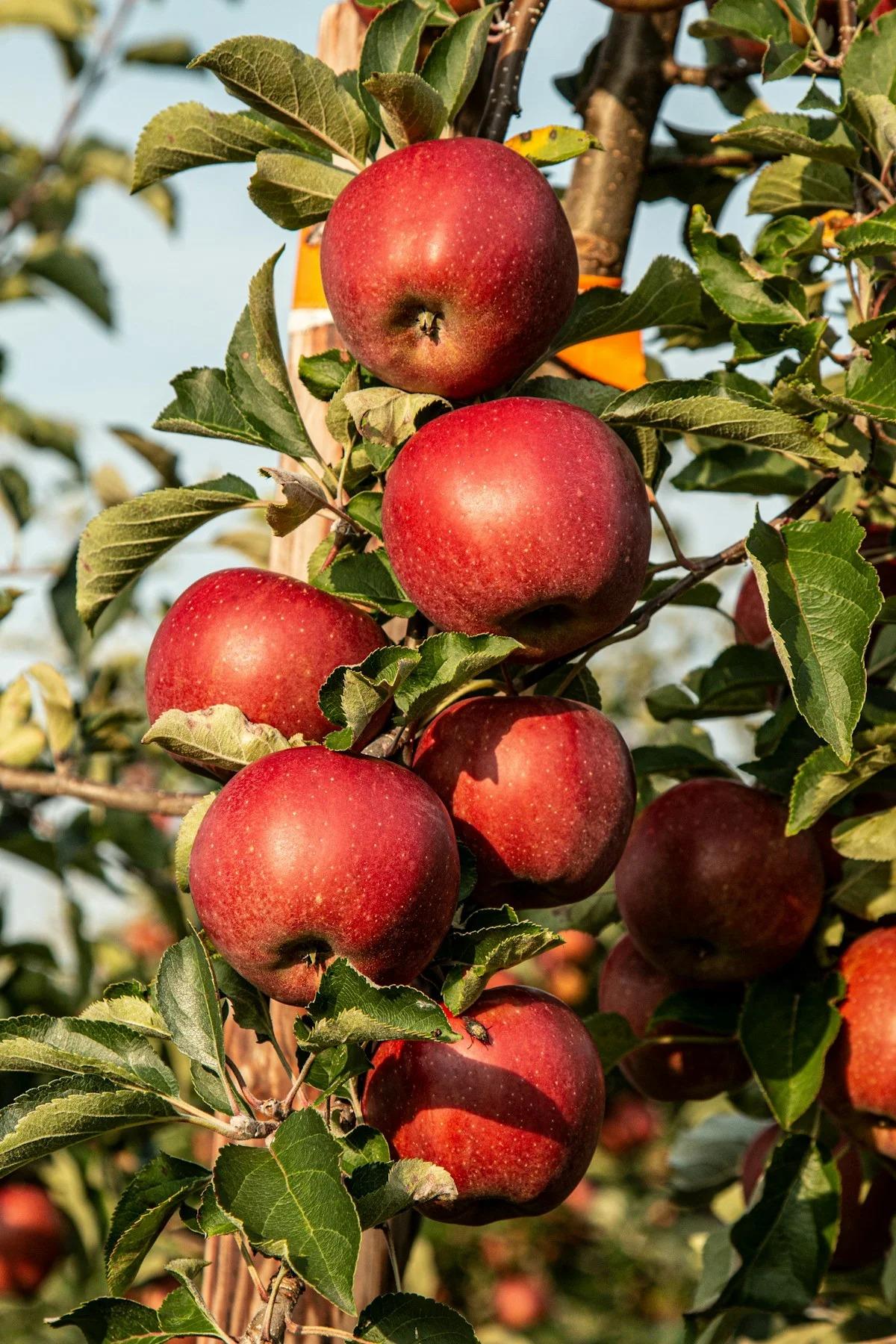
Operating a high-performing fresh produce supply chain demands efficient inventory management, standardized quality grading, and seamless temperature-controlled logistics. Commercial fruit merchants, supermarket procurement directors, and regional wholesale suppliers rely on direct origin trade to secure top-tier produce that satisfies consumer demand. Connecting directly with an established wholesale kashmiri apples distributor enables business owners to source crisp, high-altitude fruits cultivated in pristine mountain ecosystems. Blessed with fertile soil, clear glacial meltwater, and high sunlight exposure, these apples develop brilliant color saturation, dense flesh texture, and high natural sugar levels. Masterfully organizing seasonal harvesting timelines, standardized grading tiers, and cold-chain infrastructure empowers commercial produce managers to maximize inventory turnover and business profitability.
The Annual Orchard Harvest and Seasonal Trade Timeline
Understanding the seasonal harvest calendar helps wholesale buyers organize purchasing schedules and secure fresh consignments at peak quality.
Early Season Deliveries: August to Early September
The harvest season begins in late summer with early-maturing cultivars such as Royal Gala and American Trel. These varieties offer bright visual striping, crisp texture, and mild sweetness, providing fresh fruit choices early in the autumn trading calendar.
Main Peak Harvest: September through October
Mid-autumn represents the peak harvesting period across valley orchards. During these months, flagship varieties like the Kashmiri Red Delicious achieve maximum size, deep crimson skin saturation, and full sugar development. Orchard workers operate daily to pick and pack fruits at peak maturity.
Late Season and Storage Varieties: October to November
As late autumn arrives, growers harvest Golden Delicious and traditional Ambri apples. These late-season cultivars feature dense cell structures and firm skin, making them perfectly suited for extended cold storage and winter wholesale distribution.
Standardized Grading, Sizing, and Quality Classification
To ensure complete transparency and consistency across bulk shipments, apples are classified using standardized commercial grading parameters.
Caliber and Diameter Categorization
Automated optical sorting systems group apples according to precise diameter measurements and weight counts:
-
Large Caliber (75mm - 85mm+): Reserved for luxury gift boxes, high-end retail displays, and premium fruit assortments.
-
Medium Caliber (65mm - 75mm): The main volume sellers for grocery store chains, school lunch programs, and everyday home consumption.
-
Small Caliber (60mm - 65mm): Popular for commercial juice extraction, fruit processing, and value-packed retail offerings.
Visual Color Saturation and Grade Tiering
Consignments are categorized into Grade-A, Grade-B, and Grade-C tiers based on skin color coverage and surface perfection. Grade-A lots feature complete, vibrant crimson blush across the entire fruit surface, meeting the highest standards for retail shelf display.
Essential Cold-Chain Preservation Technologies
Maintaining continuous temperature control from mountain packhouses to urban wholesale terminals is essential for preserving fruit crunchiness and juice content.
Rapid Post-Harvest Pre-Cooling
Upon arrival at central packing facilities, field crates undergo rapid pre-cooling to reduce core fruit temperatures to between 1°C and 3°C. Removing field heat early locks in moisture and preserves cell structure.
Climate-Controlled Reefer Transportation
Long-distance road and rail logistics utilize specialized refrigerated container trucks (reefer units). Continuous temperature monitoring and humidity regulation prevent thermal shock, keeping produce crisp and fresh throughout multi-day journeys.
Advanced Controlled Atmosphere (CA) Storage
For long-term inventory management beyond the harvest season, CA storage chambers regulate oxygen and carbon dioxide levels. This environment puts the fruit into temporary dormancy, maintaining fresh-picked quality for up to twelve months.
Strategic Benefits of Direct Origin Purchasing
Establishing direct procurement links with origin packing facilities offers significant business advantages for commercial produce buyers:
-
Stable Supply Volumes: Direct connections with large orchard networks ensure steady stock availability even during peak demand periods.
-
Enhanced Profit Margins: Removing unnecessary intermediary steps optimizes purchasing costs, improving overall business profitability.
-
Guaranteed Freshness: Direct shipping from packing facilities minimizes transit delays, extending retail display life.
-
Custom Box Branding and Packaging: Bulk buyers can request specific tray configurations, box designs, or protective netting to match local market requirements.
Securing Supply through a Certified Origin Partner
Building a long-term, profitable produce enterprise requires a dependable origin supply partner capable of delivering consistent quality during peak seasons. Direct access to authentic Kashmir apple consignments guarantees origin-graded produce, transparent tracking, and competitive wholesale pricing tailored to your business needs.
Conclusion
Delivering high-altitude mountain apples to market displays relies on a combination of natural growing advantages, gentle harvesting practices, and modern cold-chain logistics. By choosing certified origin suppliers and maintaining strict temperature controls, commercial buyers can confidently offer their customers crisp, delicious, high-quality produce that builds brand loyalty and business growth.
Frequently Asked Questions (FAQs)
What temperature should be maintained during apple transit?
Refrigerated transport units should maintain a constant temperature between 1°C and 3°C with moderate relative humidity to preserve fruit crispness and prevent moisture loss.
How do optical sorting machines benefit wholesale buyers?
Optical sorting machines inspect each apple for exact size, weight, and color saturation, ensuring uniform fruit quality and appearance across every packed carton.
Why is stem preservation important during harvesting?
Leaving the stem intact prevents small skin tears at the top of the fruit, protecting the apple from moisture loss and natural decay during long transport.
Are these apples available for bulk distribution year-round?
Yes, using advanced Controlled Atmosphere (CA) cold storage facilities, origin suppliers can deliver fresh, crisp apples throughout all twelve months of the year.

 English
 Arabic
 French
 Spanish
 Portuguese
 Turkish
 Dutch
 Italiano
 Russian
 Romaian
 Portuguese (Brazil)
 Greek