


How Do Power Wrenches Fit Industrial Fastening Tasks?
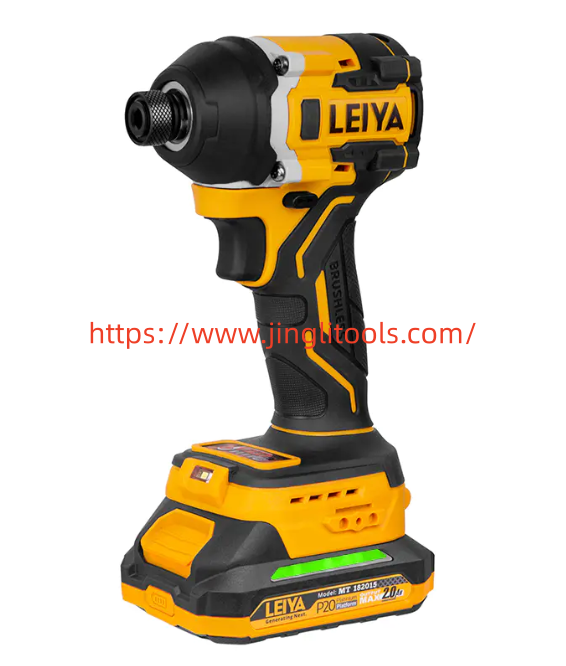
Power Wrenches serve a range of fastening needs in vehicle maintenance, machinery assembly, equipment installation, and workshop operations. For distributors and industrial buyers, selecting a suitable model requires a clear understanding of the work to be performed. Factors such as torque requirements, socket compatibility, tool dimensions, operating frequency, and accessory options should all be considered before an order is placed. A detailed evaluation also gives buyers a practical way to communicate their expectations to a manufacturer.
Understand the Fasteners Used in Your Application
Begin with the fasteners involved in the job. Bolt diameter, thread type, material, and connection structure can influence the tool configuration required for an operation.
A workshop handling small vehicle components may have different needs from a maintenance team working on large mechanical assemblies. Buyers should list the common fastener sizes and describe the tasks that operators perform regularly.
It is also helpful to identify whether the main requirement is tightening, loosening, or both. These operations can involve different torque demands. Providing this information during the inquiry stage helps the supplier assess which models may fit the application.
Compare Torque Output With Actual Workloads
Torque specifications deserve careful attention because they relate directly to fastening requirements. Buyers should review the stated tightening output and loosening capability separately rather than treating them as interchangeable values.
Consider the types of joints being handled, the fastener dimensions, and the required fastening procedure. A model selected without considering these details may not match the intended workload.
For applications involving specific tightening values, operators should follow the relevant assembly instructions and use an appropriate measuring method to verify the final result. Buyers should also ask the supplier how product output is tested and presented in the technical documentation.
Check Tool Size and Socket Compatibility
Physical dimensions can influence how easily operators reach a fastener. A compact housing may be useful around crowded assemblies, while a longer body or extension accessory may be needed for recessed positions.
Buyers should compare the drive size with the sockets already used in their workshops. They should also check whether adapters are required and whether those accessories are included in the quotation.
Weight and balance are worth considering as well. If operators use a tool repeatedly during a shift, handling characteristics can influence work routines. Requesting product dimensions and clear photographs can help purchasing teams assess whether a model fits the available workspace.
Consider the Working Environment
The place where a tool will be used can influence the preferred configuration. Indoor workshops, mobile repair services, equipment installation sites, and production areas may have different access and operating conditions.
Buyers should consider the availability of electrical outlets or compressed air, the distance between workstations, and the frequency of equipment movement. For cordless products, battery capacity and charging arrangements may also affect daily work planning.
Environmental conditions deserve attention too. Dust, moisture, temperature changes, and limited working space can influence storage, handling, and maintenance requirements. Sharing these details with the manufacturer helps narrow the range of suitable products.
Examine Construction and Product Details
Before placing an order, review the housing material, handle structure, internal mechanism, trigger arrangement, and direction controls. These details provide useful information about product design and everyday operation.
Ask the manufacturer what inspection steps are performed before shipment. Buyers may want to clarify whether functional operation, component assembly, output consistency, and appearance are checked during production.
Product documentation should also be reviewed. A clear specification sheet should identify the model, rated values, dimensions, included accessories, and operating instructions. If a distributor plans to sell the equipment under a particular product range, consistent model identification and packaging information can help with inventory management.
Discuss Samples, Custom Requests, and Packaging
For a new purchasing project, a sample can help buyers assess whether the selected configuration suits their actual work. Testing should follow a defined procedure and include the fastener types, operating conditions, and accessories expected in regular use.
If the product does not fit the application, provide specific feedback. Photographs, measurements, and descriptions of the working problem can help the manufacturer understand the requested adjustment.
Buyers should also discuss customization possibilities. Requirements may involve packaging, product labels, accessories, or particular specifications. Before confirming a bulk order, make sure all agreed details are recorded in writing.
Evaluate Supplier Communication Before Ordering
A purchasing relationship involves more than the initial quotation. Buyers should consider how the manufacturer handles technical questions, specification changes, sample requests, production updates, and delivery arrangements.
Clear communication is particularly useful when orders involve multiple models or different accessory combinations. A written order sheet can help both sides confirm product details and reduce the possibility of misunderstandings.
At jinglitools, buyers can discuss intended applications, model requirements, and purchasing details before making a decision. Preparing a clear list of technical and commercial requirements can make these discussions more productive.For wholesalers, importers, repair equipment distributors, and industrial purchasing teams, comparing product specifications with actual working needs is a practical step before selecting a supplier. Visit https://www.jinglitools.com/product/ to review available product information and contact jinglitools about model options, accessories, and order requirements.

 English
 Arabic
 French
 Spanish
 Portuguese
 Deutsch
 Turkish
 Italiano
 Russian
 Romaian
 Portuguese (Brazil)
 Greek