


How Does minidumperfactory Fit Varied Worksite Needs Today?
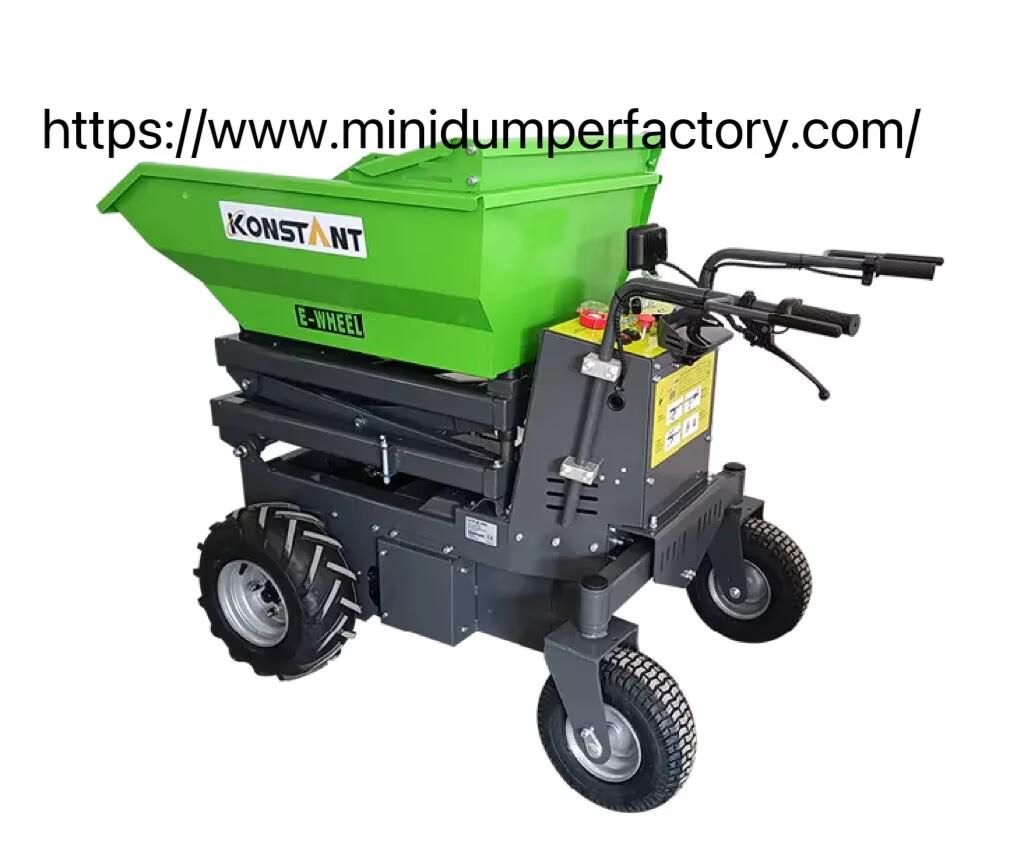
Mini Dumper Supplier selection should begin with a detailed assessment of the equipment requirements and the conditions in which it will operate. For importers, distributors, contractors, and rental businesses, a purchasing decision involves more than comparing quotations. Buyers need to consider site access, material types, carrying requirements, operating methods, product configuration, and manufacturing arrangements. Preparing these details in advance makes it easier to discuss practical solutions with a potential production partner.
Match Machine Dimensions to the Working Site
Worksite dimensions can directly influence equipment selection. A construction project with narrow access paths may require a compact body and a suitable turning arrangement. Landscaping projects may involve garden entrances, uneven paths, or limited storage areas, while agricultural operations can include longer travel distances and changing ground conditions.
Buyers should check the overall length, width, height, turning radius, and ground clearance of each proposed model. These measurements help determine whether the equipment can pass through entrances, move between obstacles, and reach loading or unloading points.
It is also useful to provide photographs or a simple site layout when discussing a project with a manufacturer. Actual working conditions offer more useful information than a general description of the application.
Examine Load Requirements and Material Types
Carrying capacity should be considered alongside the materials being transported. Soil, gravel, sand, bricks, branches, and construction waste differ in density, shape, and loading behavior. A container that appears large enough may not be appropriate for every material.
Buyers should identify the expected load per trip, the approximate material density, and the frequency of transportation. They should then compare the rated payload and hopper dimensions with these requirements.
Avoid treating rated capacity as a target that must be reached during every operation. Operators should follow the manufacturer's loading instructions and account for ground conditions, slope limitations, and other operating restrictions. This helps purchasing teams specify equipment according to realistic working needs.
Compare Drive Systems and Power Configurations
The ground surface and travel route influence the choice of drive system. Some applications involve firm concrete floors, while others require movement across soil, gravel, grass, or uneven construction areas.
Buyers can compare wheel and track arrangements according to traction requirements, maneuverability, ground contact, and maintenance considerations. The power configuration should also match the expected working pattern, available energy sources, and operating environment.
For projects with specific restrictions, discuss the intended location and daily usage with the manufacturer. Providing these details can help narrow down the available configurations and avoid selecting a model based only on appearance.
Review the Loading and Unloading Arrangement
The unloading method affects how equipment fits into the material handling process. Buyers should consider the height of the receiving area, the available unloading space, the material being carried, and the movement required after discharge.
Check the hopper structure, tipping arrangement, control layout, and relevant operating instructions. If the equipment will work near walls, vehicles, or other machinery, available clearance should also be considered.
For repeated operations, a suitable unloading arrangement can help reduce unnecessary handling steps. Buyers should explain their usual loading and discharge procedures when requesting product recommendations or discussing configuration changes.
Ask How Production Quality Is Checked
Product consistency matters when purchasing equipment for resale, rental fleets, or multiple project locations. Buyers should ask how materials and components are checked, how assembly is managed, and what inspections take place before shipment.
Useful questions include whether the manufacturer checks frame dimensions, welded structures, fasteners, drive components, hydraulic functions, electrical connections, and finished operation. The exact inspection items will depend on the selected model and its configuration.
Purchasers can also request inspection photographs, product videos, specification sheets, or sample arrangements when appropriate. For repeat orders, an approved specification document can serve as a reference for confirming that later batches follow the agreed requirements.
Discuss Customization and Future Supply
Different markets may have different preferences for product appearance, labels, manuals, accessories, and technical configurations. Distributors and private-label buyers should discuss these requirements before production begins.
Prepare clear information about requested colors, logo files, nameplates, packaging, accessories, and order quantities. If changes involve the machine structure or operating components, ask the technical team to confirm feasibility and any effect on the configuration.
It is also sensible to discuss spare parts, maintenance documents, warranty arrangements, and communication procedures. These details can help buyers plan product distribution and respond to customer service needs after delivery.
Prepare a Clear Purchasing Specification
Before confirming an order, organize the key requirements into one document. Include the intended application, material type, expected load, site dimensions, drive arrangement, power configuration, unloading method, accessories, inspection requirements, packaging, and delivery expectations.
This document gives both parties a shared reference during quotation, sample approval, production, and shipment preparation. It can also reduce repeated questions when a project involves several models or customized details.At minidumperfactory, buyers can review equipment options and discuss configurations for different material handling applications. Providing project information at the beginning helps the production team understand the intended use and respond to specific purchasing requirements. Businesses planning a new order can visit https://www.minidumperfactory.com/product/ to review available models and prepare the details for further discussion.

 English
 French
 Spanish
 Portuguese
 Deutsch
 Turkish
 Dutch
 Italiano
 Russian
 Romaian
 Portuguese (Brazil)
 Greek