


Choosing the Right Makeup Academy: What Every Aspiring Artist Should Know
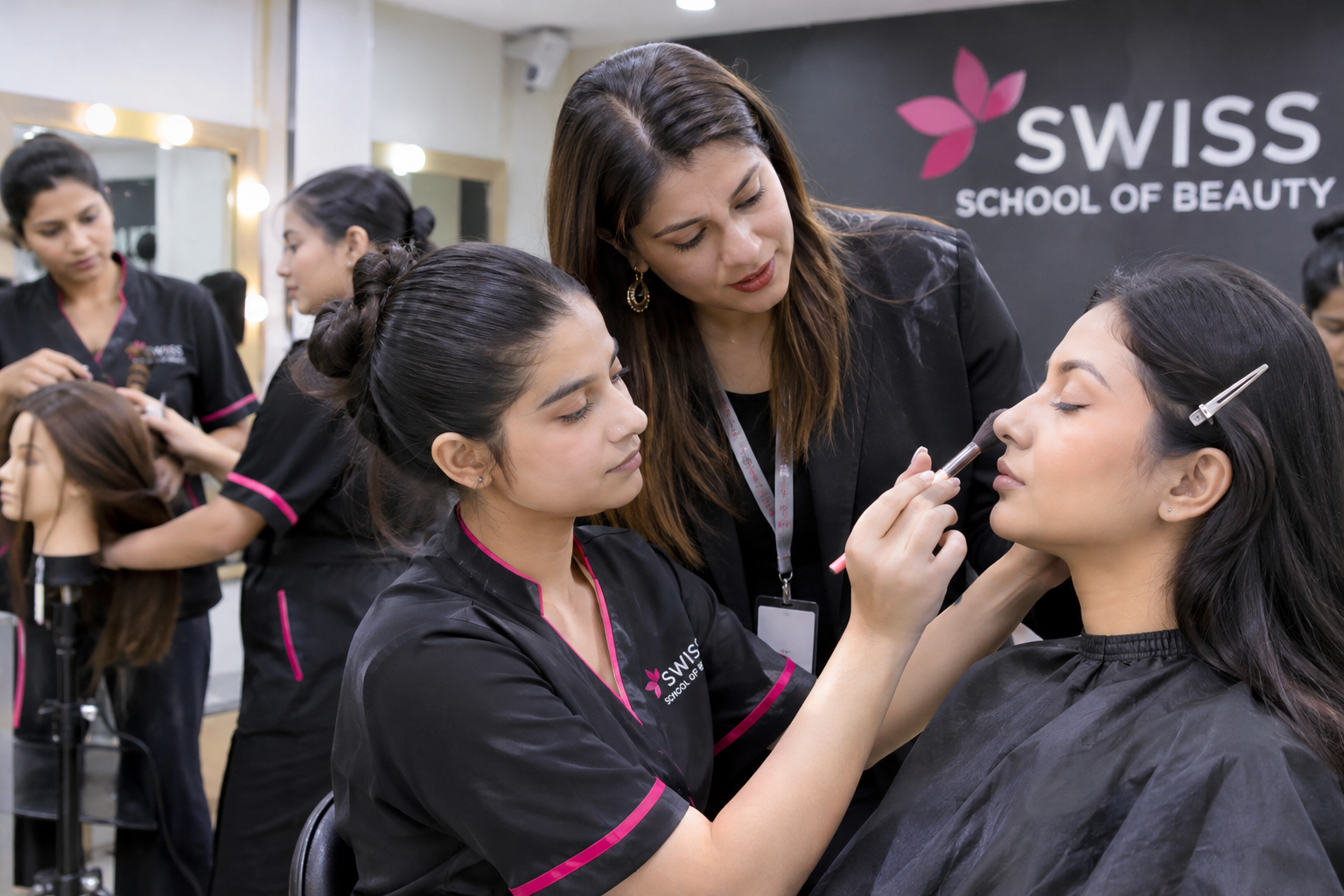
The beauty and makeup industry has grown significantly over the years, creating opportunities for people who want to turn their creativity into a professional career. From bridal makeup and fashion photography to television, films, and personal grooming, professional makeup artists are needed across different industries.
However, becoming a successful makeup artist requires more than knowing how to apply foundation, lipstick, or eyeshadow. It involves understanding skin types, facial structures, colour theory, hygiene, product selection, and different makeup techniques.
This is where professional makeup training becomes important. Enrolling in a structured course can help beginners develop practical skills, understand industry expectations, and build the confidence required to work with clients.
What Is a Certificate in Professional Makeup?
A certificate in professional makeup is a specialised training programme designed to teach students the techniques and knowledge required to work as makeup artists. These courses generally combine theoretical lessons with practical training to help learners understand both the creative and technical sides of makeup.
Students learn how to prepare different skin types, select suitable products, create different looks, and use professional tools correctly.
Depending on the course structure, training may cover:
-
Basic and advanced makeup application.
-
Skin preparation and product selection.
-
Foundation matching and colour correction.
-
Face shapes and contouring techniques.
-
Eye makeup and eyebrow shaping.
-
Bridal and party makeup.
-
HD and photographic makeup.
-
Makeup hygiene and professional kit management.
A good programme should provide opportunities to practise on different models and understand how makeup techniques change according to skin texture, lighting conditions, occasions, and client preferences.
Why Is Professional Makeup Training Important?
Watching online tutorials can help you understand individual makeup techniques, but professional training offers a more organised learning experience.
Here are some important reasons to consider formal makeup education.
1. Develop a Strong Technical Foundation
Professional makeup starts with understanding the basics. Students need to know how different products work, how to prepare the skin, and how to create a balanced makeup look.
For example, applying foundation on dry skin requires a different preparation approach than working with oily skin. Similarly, selecting the wrong undertone can make the foundation appear unnatural.
Structured training helps students understand these differences instead of relying on trial and error.
2. Learn Different Makeup Styles
Every client has different requirements. Someone attending a wedding may prefer traditional bridal makeup, while another client might want a subtle, natural look for a professional photoshoot.
Professional training introduces students to multiple makeup styles, including:
-
Natural and everyday makeup.
-
Party and evening makeup.
-
Traditional bridal makeup.
-
Contemporary bridal makeup.
-
HD makeup.
-
Fashion and editorial makeup.
Learning these styles allows aspiring artists to work with different clients and occasions.
3. Understand Professional Products and Tools
The beauty market offers hundreds of makeup products, brushes, applicators, and skincare solutions. Beginners often find it difficult to understand which products are necessary and how to use them effectively.
A professional course helps students understand product textures, coverage, finishes, brush selection, and application techniques.
This knowledge also helps makeup artists avoid unnecessary spending on products that do not suit their working requirements.
4. Build Confidence Through Practical Experience
Practical experience is one of the most important parts of makeup education.
Working on different face shapes, skin tones, and skin conditions helps students understand real-world challenges. It also teaches them how to manage time, communicate with clients, and make adjustments when a particular technique does not produce the expected result.
A course that includes regular practical sessions can make the transition from student to working professional much easier.
What Skills Should You Learn During a Makeup Course?
Before selecting a training programme, it is important to understand the skills that can support your professional development.
Skin Analysis and Preparation: Learn how to identify different skin types, understand basic skincare requirements, and prepare the skin before applying makeup.
Colour Theory: Understand warm, cool, and neutral undertones, colour correction, and how to select shades that complement different complexions.
Foundation and Base Makeup: Practise foundation matching, concealing, setting techniques, and creating a smooth, natural-looking base.
Eye Makeup Techniques: Learn blending, eyeliner application, eyeshadow placement, and techniques for different eye shapes.
Contouring and Highlighting: Understand how light and shadow can enhance facial features without making the makeup look overly heavy.
Hygiene and Sanitation: Learn proper brush cleaning, product sanitisation, disposable applicator use, and safe makeup practices.
Client Communication: Understand how to discuss expectations, recommend suitable looks, and manage feedback professionally.
These skills help create a strong foundation for working independently or joining a professional beauty organisation.
Career Opportunities After Completing a Makeup Course
Once you have developed the necessary skills, several career paths become available. Your choice will depend on your interests, experience, and the type of makeup work you enjoy.
1. Freelance Makeup Artist
Freelancing allows you to work independently with clients for weddings, parties, engagement ceremonies, and other occasions. You can gradually build your client base through referrals and social media.
2. Bridal Makeup Artist
Bridal makeup is a specialised field that requires attention to detail, long-lasting application techniques, and an understanding of different cultural preferences.
3. Salon Makeup Professional
You can work with beauty salons, makeup studios, and professional beauty centres. This provides opportunities to gain practical experience and interact with different clients.
4. Fashion and Media Makeup Artist
Fashion shows, photoshoots, advertisements, television, and digital content production require makeup professionals who understand lighting, camera requirements, and creative styling.
5. Makeup Educator
After gaining sufficient industry experience, you can explore teaching opportunities and help aspiring makeup artists develop their skills.
It is worth remembering that completing a course is only the beginning. Your portfolio, practical experience, professional behaviour, and ability to understand client requirements play an important role in long-term career development.
How to Choose the Right Professional Makeup Course
Not every makeup course offers the same learning experience. Before enrolling, consider the following factors:
1. Check the Course Curriculum: Make sure the syllabus covers fundamental techniques, advanced makeup, skin preparation, colour theory, and hygiene practices.
2. Focus on Practical Training: Choose an institute that provides regular hands-on sessions rather than depending entirely on demonstrations.
3. Check Faculty Experience: Trainers with professional industry experience can share practical knowledge that goes beyond textbook learning.
4. Understand Certification: Ask who issues the certificate and whether the qualification is recognised or aligned with any relevant industry standards. The Beauty and Wellness Sector Skill Council (B&WSSC), for example, publishes occupational standards and training curricula for professional makeup artists.
5. Review Student Portfolios: Previous students' work can help you understand the quality of practical training and the techniques taught.
6. Ask About Additional Costs: Understand whether the makeup kit, products, examination, and certification charges are included in the course fee.
Institutes such as Swiss School of Beauty offer specialised beauty education for aspiring professionals. Students exploring professional makeup training can review the certificate in professional makeup programme to understand the available learning pathway and course details.
Common Mistakes Beginners Should Avoid
Many aspiring makeup artists focus only on creating attractive looks while overlooking the professional habits that make their work reliable.
Here are some common mistakes to avoid:
-
Ignoring skin preparation: Even expensive makeup products cannot compensate for poorly prepared skin.
-
Using the wrong foundation shade: Always consider the client's undertone, skin texture, and natural complexion.
-
Overusing products: Applying too many layers can make makeup look heavy and unnatural.
-
Neglecting hygiene: Dirty brushes and shared applicators can create avoidable hygiene risks.
-
Copying every trend: Not every trending makeup style suits every face, skin type, or occasion.
-
Ignoring client preferences: A professional artist should understand what the client wants rather than imposing a personal style.
Developing good professional habits from the beginning can help you deliver more consistent results.
Tips for Building a Successful Makeup Career
After completing your training, focus on improving your skills and establishing your professional identity.
Start by creating a portfolio featuring different makeup styles, skin tones, and occasions. Use clear, well-lit photographs that accurately represent your work.
Practise regularly and experiment with different techniques. Follow industry developments, explore new products, and learn how makeup behaves under natural and artificial lighting.
Social media platforms such as Instagram can also help you showcase your work, connect with potential clients, and receive enquiries. Share before-and-after photographs, short makeup tutorials, and behind-the-scenes videos to demonstrate your abilities.
Another important factor is client satisfaction. Listen carefully, maintain professional communication, arrive on time, and understand the client's expectations before starting a session. Positive experiences can lead to repeat bookings and word-of-mouth recommendations.
Frequently Asked Questions
1. Can beginners enrol in a professional makeup course?
Yes. Many professional makeup programmes are designed for beginners and introduce fundamental techniques before moving towards advanced applications. Check the institute's eligibility requirements before applying.
2. How long does it take to become a professional makeup artist?
The duration depends on the course structure and training level. Some programmes are short-term, while comprehensive diploma programmes may require several months of learning and practice.
3. Is certification important for makeup artists?
Certification provides evidence of structured training and can improve professional credibility. However, practical skills, portfolio quality, hygiene, and client satisfaction are equally important.
4. Can I start freelancing after completing a makeup course?
Yes, you can begin taking suitable assignments after developing sufficient practical skills. Start with smaller projects, build your portfolio, and gradually take on more demanding clients.
5. What should I look for in a makeup academy?
Look for experienced trainers, a detailed curriculum, practical sessions, proper hygiene standards, transparent fees, and a clear explanation of the certification offered.
Final Thoughts
Professional makeup artistry is a career that combines creativity, technical knowledge, and interpersonal skills. While natural interest in beauty can provide a starting point, structured training helps transform that interest into practical ability.
Choosing the right course, practising consistently, understanding client expectations, and building a strong portfolio can help aspiring artists establish themselves in the beauty industry. Whether you want to specialise in bridal makeup, work with fashion professionals, or start your own makeup business, investing in the right education is a valuable first step.

 English
 Arabic
 French
 Spanish
 Portuguese
 Turkish
 Dutch
 Italiano
 Russian
 Romaian
 Portuguese (Brazil)
 Greek