


Packaging That Sells: Materials, Design & Ordering Guide
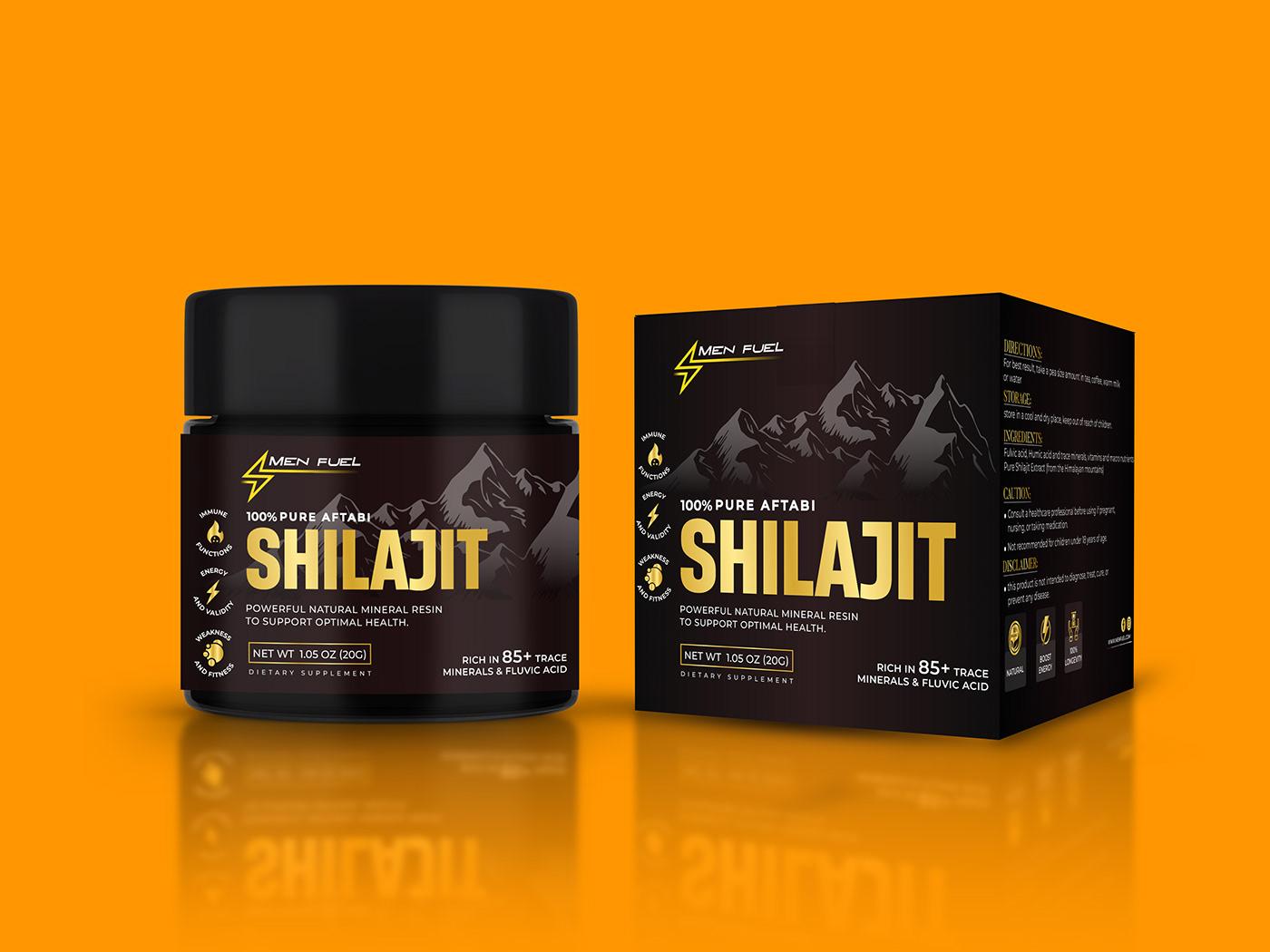
Packaging That Sells: A Practical Guide for Specialty Food Brands
Think about the last time you bought something new off a shelf or a website. Chances are the box shaped your first impression before you read a single claim. For food and wellness entrepreneurs, that split second matters, which is why custom food packaging boxes have moved from a nice extra to a core part of the business plan. They protect your product, carry your story, and give shoppers a reason to choose you over the brand next to you.
Why Packaging Shapes Buying Decisions
Packaging works like a silent salesperson. An Ipsos survey commissioned by the Paper and Packaging Board found that 72% of American consumers say packaging design influences their purchasing decisions. That is a big number for something many owners treat as an afterthought.
For smaller companies, the upside is even greater. Well-made custom food packaging boxes let a startup, bakery, or wellness label look as polished as a national competitor, and digital printing has made small runs far more affordable than they used to be.
What Great Food Boxes Actually Do
Build Recognition
Consistent colors, typography, and logo placement make your product easy to spot on a crowded shelf or in a tiny online thumbnail. Familiarity builds trust, and trust brings repeat orders.
Protect the Product
Light, heat, moisture, and rough handling can all damage food and supplement products. A box sized to fit, with the right board thickness and inserts, cuts damage in transit and keeps the inner container secure.
Communicate Clearly
Your box is prime space for ingredients, allergen information, usage directions, and a short brand story. Keep the hierarchy simple so the most important message gets read first. If you sell dietary supplements, check current FDA labeling rules before you finalize any wording.
Choosing Materials Wisely
Start with Food Safety
Anything that touches or sits near consumable products has to meet safety standards. In the United States, the FDA regulates food contact materials, so ask suppliers for documentation confirming that inks, coatings, and liners are approved for food use. A reliable partner will explain these details openly when you request custom food packaging boxes. If they dodge the question, treat that as a warning sign.
Think About Sustainability
Shoppers increasingly check whether packaging is recyclable. Kraft paperboard, recycled cardboard, and water-based inks are popular choices that support a greener message. If you make an environmental claim, keep it specific and honest, because vague labels can backfire.
Design Tips That Convert
Start with your customer, not your personal taste. Look at what competitors are doing, then deliberately differ in color or layout. Stick to two or three main colors, give your logo room to breathe, and let one strong image or phrase lead.
Format matters as much as graphics. Take natural resin products, which usually arrive in small glass jars. Shilajit packaging boxes need to hold that jar snugly, so a molded paper insert or a rigid sleeve keeps it from rattling and breaking. Because the product is sensitive to heat and light, a sturdy, opaque box also helps it feel protected and premium.
Premium positioning is a big part of this category. Shilajit packaging boxes often use deep earthy tones, minimal typography, and a touch of foil or spot UV on the logo to signal quality. Pair that with a tamper-evident seal, and buyers get a clear sign the product is untouched.
Finish also changes perception. Matte coatings feel modern and refined, gloss makes colors pop, and soft-touch lamination adds a luxe feel in the hand. Always request a physical sample or proof before approving a full run, since screen colors rarely match printed ones exactly.
Planning Your Order
Before contacting a printer, gather your product dimensions, weight, target quantity, and budget. Decide whether the boxes will sit on shelves, ship to customers, or both, since each use calls for different strength and finishes. Compare at least three quotes, and ask about turnaround times, setup fees, and minimum quantities.
Brands that treat custom food packaging boxes as part of their marketing rather than just a cost tend to plan better and waste less. Many start with a small first run to test the design, then reorder in larger batches once sales confirm demand.
Frequently Asked Questions
How long does production usually take?
Timelines vary by supplier and complexity, but proofing, printing, and shipping commonly take a few weeks. Ask for a written schedule and order earlier than you think you need to, especially before busy seasons.
Can small brands afford custom printing?
Yes. Digital printing has lowered minimums, so many suppliers now accept small runs. That makes custom food packaging boxes realistic even for home-based and early-stage businesses.
Do glass jars need special inserts?
Usually, yes. Glass needs cushioning to survive shipping, so ask your supplier about molded pulp, paperboard, or foam-free inserts. This is especially important for shilajit packaging boxes, where a snug fit protects both the jar and the unboxing experience.
Final Thoughts
Great packaging earns attention, protects your product, and communicates your values in a few seconds. Start with food-safe materials, design for your customer, and test before scaling. When you treat custom food packaging boxes as a strategic asset rather than an afterthought, they work harder for every dollar you spend.

 English
 Arabic
 French
 Spanish
 Portuguese
 Deutsch
 Dutch
 Italiano
 Russian
 Romaian
 Portuguese (Brazil)
 Greek