


How Do Dental Braces Correct Jaw Alignment?
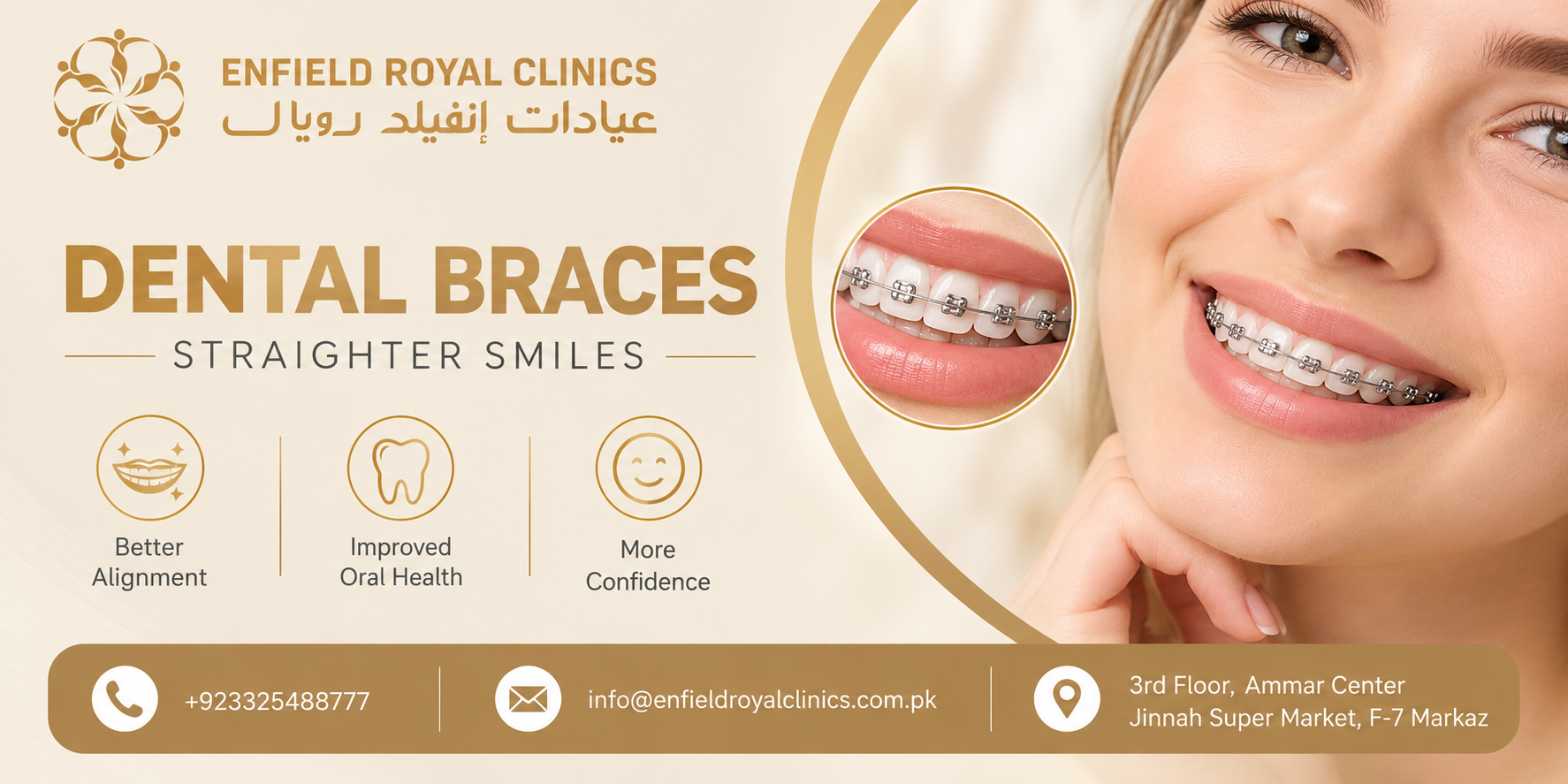
Jaw alignment plays an important role in a healthy bite, comfortable chewing, clear speech, and balanced facial appearance. When the upper and lower jaws or teeth do not meet correctly, a person may experience problems such as an overbite, underbite, crossbite, or difficulty closing the mouth comfortably. These concerns can affect everyday activities and may also contribute to uneven pressure on certain teeth.
Dental braces are a common orthodontic treatment used to correct tooth positions and improve how the upper and lower teeth fit together. They apply gentle, controlled pressure to gradually move teeth into better alignment. In growing children and teenagers, certain orthodontic appliances can also help guide jaw development. However, braces do not physically reposition every type of jaw discrepancy, especially in adults with significant skeletal differences.
People considering Dental Braces in Islamabad can benefit from understanding how orthodontic treatment works, which jaw alignment problems it can address, and what results may be possible.
What Causes Jaw Misalignment?
Jaw misalignment occurs when the upper and lower jaws do not have a balanced relationship or when the teeth do not meet properly. Some cases are related to the position of individual teeth, while others involve differences in jaw size, shape, or growth.
Several factors can contribute to jaw alignment problems:
-
Genetics: Inherited jaw size and facial structure can influence how the upper and lower jaws develop.
-
Uneven jaw growth: One jaw may grow more or less than the other, affecting the bite.
-
Childhood habits: Prolonged thumb sucking, tongue thrusting, or certain oral habits may influence dental development.
-
Early loss of baby teeth: Losing primary teeth too early can affect the spacing and position of permanent teeth.
-
Crowded teeth: Limited space can cause teeth to develop in positions that affect the bite.
-
Dental injuries: Trauma or damage may sometimes affect tooth positions and how the teeth meet.
The cause and severity of misalignment determine which treatment is appropriate. A dental and orthodontic assessment helps identify whether the problem is mainly related to tooth positioning or the underlying jaw structure.
How Do Dental Braces Correct Jaw Alignment?
Dental braces mainly correct jaw alignment by improving the position of the teeth and the way they fit together. Brackets and wires apply controlled pressure, gradually moving selected teeth into planned positions.
When the teeth are better aligned, the upper and lower dental arches may meet more comfortably. This can improve certain bite problems and help distribute chewing pressure more evenly.
The treatment process generally includes the following stages:
-
Initial assessment: The dental professional examines the teeth, bite, and jaw relationship.
-
Diagnostic records: X-rays, photographs, and digital scans may be used to evaluate alignment and treatment needs.
-
Treatment planning: An orthodontic plan is developed according to the type and severity of the bite problem.
-
Brace placement: Brackets and wires are fitted to begin controlled tooth movement.
-
Regular adjustments: Follow-up visits allow the orthodontic professional to monitor progress and adjust the braces.
-
Retention: Retainers help maintain the corrected tooth positions after active treatment.
For some growing patients, additional appliances may be recommended to guide jaw development. The appropriate approach depends on the patient's age, growth stage, and the nature of the alignment problem.
Which Jaw Alignment Problems Can Braces Help Treat?
Dental braces can help manage several bite problems, particularly when tooth positioning contributes to the misalignment.
Overbite
An overbite occurs when the upper front teeth overlap the lower front teeth more than expected. Orthodontic treatment can help improve the relationship between the upper and lower teeth in suitable cases.
Underbite
An underbite occurs when the lower front teeth sit ahead of the upper front teeth. Braces may improve tooth positioning, although a significant difference in jaw size may require additional treatment.
Crossbite
A crossbite develops when some upper teeth sit inside the lower teeth instead of outside them. Braces and other orthodontic appliances can help correct certain crossbite patterns and improve how the teeth meet.
Open bite
An open bite occurs when the upper and lower front teeth do not touch when the mouth closes. Depending on the cause, orthodontic treatment may help bring the teeth into a better relationship.
Crowded bite
Crowded or rotated teeth can affect the way the dental arches fit together. Braces can create better tooth alignment and improve the overall bite in appropriate cases.
The results depend on whether the problem is dental or skeletal. Severe jaw discrepancies may require a combination of orthodontic treatment and corrective jaw surgery.
Can Braces Change the Position of the Jaw in Adults and Teenagers?
Age and jaw development are important considerations when planning orthodontic treatment.
In children and teenagers, the jaws are still growing. Certain orthodontic appliances can guide jaw development or influence the relationship between the upper and lower jaws. Early assessment may help identify growth-related concerns and determine whether treatment during development could be beneficial.
In adults, the jawbones have finished growing. Braces can still move teeth and improve the bite, but they generally cannot correct a significant difference in the size or position of the jawbones on their own.
For adults with severe skeletal misalignment, a combination of braces and orthognathic surgery may sometimes be recommended. This approach involves orthodontic treatment to prepare the teeth, followed by surgery to reposition the jaw when necessary.
Therefore, the most suitable treatment depends on the patient's age, dental condition, jaw structure, and treatment goals.
What Are the Benefits of Correcting Jaw Alignment With Braces?
Improving the bite can offer benefits beyond creating a straighter smile. When the teeth meet more evenly, everyday oral functions may become more comfortable.
Potential benefits include:
-
Improved chewing: Better tooth contact can support more balanced chewing.
-
Reduced uneven pressure: Correcting certain bite problems may reduce excessive pressure on individual teeth.
-
Better tooth alignment: Crooked and crowded teeth can be positioned more evenly.
-
Improved oral hygiene: Straighter teeth may be easier to brush and floss.
-
Better smile appearance: A more balanced bite can improve the appearance of the teeth.
-
Improved dental function: Correcting selected alignment problems may support more comfortable biting and speaking.
The benefits vary according to the original condition. Braces cannot guarantee that every jaw-related symptom will disappear, and treatment outcomes should be discussed during a professional consultation.
How Long Does Jaw Alignment Treatment With Braces Take?
The duration of orthodontic treatment depends on the complexity of the bite problem and the amount of tooth movement required. Mild dental misalignment may need less time than a complex case involving severe crowding or multiple bite concerns.
Several factors can affect the treatment timeline:
-
The severity and type of jaw or bite problem
-
The patient's age and stage of jaw development
-
Whether additional orthodontic appliances are needed
-
The health of the teeth and gums
-
Consistency with treatment instructions
-
Attendance at regular adjustment appointments
-
Whether corrective jaw surgery is part of the treatment plan
Some patients may complete orthodontic treatment within a relatively short period, while others require a longer course of care. A personalized assessment is necessary to estimate the likely timeline.
People exploring Dental Braces in Islamabad should understand that orthodontic treatment requires patience. Teeth move gradually, and trying to speed up the process without professional guidance can damage the teeth and supporting tissues.
How Can Patients Maintain Jaw and Teeth Alignment After Braces?
After braces are removed, the teeth need support to remain in their corrected positions. Without proper retention, teeth may gradually shift toward their previous alignment.
Retainers are commonly recommended to help maintain orthodontic results. They may be removable or fixed, depending on the patient's needs.
Patients can protect their results by following these habits:
-
Wear retainers according to professional instructions.
-
Keep removable retainers clean and store them safely.
-
Brush twice daily with fluoride toothpaste.
-
Floss regularly to remove plaque between teeth.
-
Attend recommended dental and orthodontic checkups.
-
Avoid habits such as biting hard objects or chewing on pens.
-
Seek professional advice if the bite changes or a retainer no longer fits properly.
Long-term maintenance is an important part of successful orthodontic care. Regular follow-up helps identify unwanted tooth movement and other concerns early.
Frequently Asked Questions
1. Can dental braces correct jaw misalignment?
Braces can improve many bite problems by moving teeth into better positions. However, significant differences in jaw size or position may require additional orthodontic appliances or corrective jaw surgery.
2. Can braces fix an overbite or underbite?
Braces can correct certain overbites and underbites, particularly when tooth positioning is the main concern. Severe skeletal cases may need a combined treatment approach.
3. Are braces effective for jaw alignment in adults?
Yes, braces can improve tooth alignment and bite relationships in adults. However, they cannot independently correct every significant skeletal jaw problem.
4. Is early orthodontic treatment important for children?
Early assessment can help identify jaw growth and bite concerns. Some children benefit from treatment while their jaws are still developing, although not every child needs early braces.
5. How long does it take to correct jaw alignment with braces?
Treatment time varies according to the severity of the problem, the patient's age, and the treatment method. An orthodontic examination helps provide a realistic estimate.
6. Can jaw alignment problems return after braces?
Teeth can shift after orthodontic treatment, and some underlying growth or skeletal concerns may continue to affect the bite. Retainers and recommended follow-up appointments help maintain results.

 English
 Arabic
 French
 Spanish
 Portuguese
 Deutsch
 Turkish
 Dutch
 Italiano
 Russian
 Romaian
 Portuguese (Brazil)