


Buying a 3D Printer in Chennai: How to Judge a Seller Before You Pay
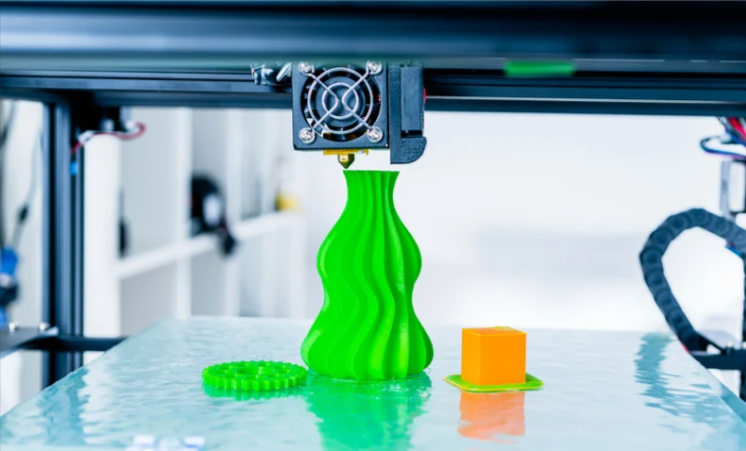
Everyone wants to know the Best place to buy 3D printer in Chennai, but the honest answer is that “best” depends on what you need and what the seller can actually do for you. The cheapest listing is rarely the best deal if nobody picks up the phone when your first print fails. The most polished website is not automatically the most helpful either.
This guide gives you a way to decide for yourself. It covers the pros and cons of local and online buying, a scorecard for judging sellers, the questions worth asking, how to test a demo, what to check on warranty and service, and a few points specific to Chennai’s weather and power conditions. It does not repeat our advice on budgets or machine types, which are in other posts in this series.
Why Where You Buy Matters So Much
A desktop machine is not like a phone charger. It has moving parts, consumables, software and a learning curve. When something goes wrong, you need answers quickly, and the person who sold it to you is often your first line of help.
Buying well therefore means judging three things at once: the product, the price and the support behind them. A seller strong in all three saves you far more than a small discount ever could.
Local Store vs Online: An Honest Comparison
Neither route is always better. Here is how they compare for a buyer in Chennai.
| Factor | Local store or showroom | Online-only seller |
|---|---|---|
| See a machine in person | Often yes | Usually no |
| Ask questions face to face | Yes | Chat, email or phone |
| Demo prints | Possible | Rare |
| Delivery time | Often quicker | Depends on courier and stock |
| After-sales help | Can be hands-on | Varies, may be remote only |
| Returns and replacements | Easier to handle in person | May involve shipping |
| Price range | Can be slightly higher or lower | Often competitive |
| Risk of misdescribed items | Lower, you can inspect | Higher, read policies carefully |
If you are a beginner, being able to walk in, ask questions and see a working machine is a big advantage. Experienced users who know exactly which model they want may be happy to buy online, as long as warranty and service terms are clear.
What “Best” Should Mean: A Seller Scorecard
Use this table to score each seller out of five on every row. Add up the totals and compare.
| Criterion | What good looks like |
|---|---|
| Product knowledge | Staff explain differences clearly and admit what they do not know |
| Range | Several machine types and brands, not one pushed option |
| Transparency | Clear specifications, written quotes, honest lead times |
| Demonstration | Willing to show a working machine or sample prints |
| Warranty | Terms in writing, with a named service route |
| Spare parts | Common parts available without long waits |
| Materials | Reliable supply of filament, resin and tools |
| Setup help | Offers guidance or training for beginners |
| Communication | Replies quickly and politely, before and after the sale |
| Reputation | Past customers willing to share experience |
Anything below three on warranty, spare parts or communication deserves a hard look. Those three decide how painful your first problem will be.
Questions to Ask Before You Pay
A good seller welcomes questions. A poor one gets defensive. Take this list with you or send it by message.
About the product
- Is this the latest version of the model, and what changed from the previous one?
- What exactly is in the box? Can I see the list?
- Which materials does it work with?
- What are the real build volume and typical print speeds?
About the price
- Is this the total price, including taxes and delivery?
- Are there extra fees for setup, training or accessories?
- Is the quote valid for a fixed period?
About support
- Who handles warranty claims, and where?
- How long do repairs usually take?
- Do you keep common spare parts in stock?
- Can you help me set it up or run a first print?
About materials
- Which filament or resin do you recommend for my first projects, and why?
- Can I buy a small quantity first?
Ask for the answers in writing wherever possible. A short email or message is enough.
How to Test a Machine at a Demo
If a seller offers a demonstration, make the most of it. Seeing a working machine tells you more than any page of specifications.
| What to check | What you are looking for |
|---|---|
| Noise | Is it tolerable in a room where you will work or sleep? |
| Smoothness | Does it move steadily, without strange grinding sounds? |
| First layer | Does the first layer look even and well attached? |
| Sample prints | Are surfaces clean, with sharp corners and few defects? |
| Software | Is the interface clear to you, or confusing? |
| Setup effort | How long does preparation take before a print starts? |
| Build quality | Do parts feel solid, with no loose panels or wobble? |
Ask to see a print that has been completed on that exact model, not a stock photo. If you can bring your own small test file, even better.
Image 2 (checklist graphic): “Demo day checklist: noise, smoothness, first layer, sample quality, software, setup, build quality.” Alt text: Checklist of seven things to inspect during a 3D printer demo.
Inspecting the Delivery
The checks do not end at payment. When the machine arrives, inspect it before you sign off or throw away packaging.
- Check the box. Note any dents, tears or signs of opening.
- Compare the contents. Match every item against the quote and the packing list.
- Look for damage. Check frames, screens, cables and moving parts.
- Keep the packaging. You may need it for returns or warranty shipping.
- Photograph everything. Take pictures of the box and the machine before setup.
- Test promptly. Run a first print within the return or inspection window.
If something is wrong, report it immediately in writing with photos.
Warranty, Invoice and Service: The Paperwork That Protects You
A machine is only as safe as the paperwork behind it. Before you pay, make sure you understand:
| Item | Why it matters |
|---|---|
| Invoice | Proof of purchase, and often needed for warranty claims |
| Warranty period | How long you are covered |
| What is covered | Parts, labour, or both |
| What is not covered | Wear items and misuse are often excluded |
| Claim process | Where to send the machine, and who pays for shipping |
| Service location | Whether local service is available |
| Serial number | Make sure it is recorded on your invoice |
Keep all documents together, along with screenshots of the product page and your messages with the seller. If you are buying for a business, ask about the right type of invoice for your accounts and check with your accountant.
Red Flags to Walk Away From
- No written quote. Verbal promises are easy to forget.
- Pressure to pay today. A good deal will still be good tomorrow.
- Prices far below every other seller. Ask what is different, such as an older model, missing parts or no warranty.
- Vague warranty answers. If nobody can say who repairs it, assume nobody will.
- No demo, no photos, no references. A confident seller shows their work.
- Refusal to list what is in the box. Missing accessories appear later as extra charges.
- Wrong or outdated specifications. It suggests the seller does not know the product.
Chennai-Specific Points to Think About
Where you live affects how you use a machine. A few local factors are worth planning for.
Heat and humidity. Chennai’s warm, humid climate can affect materials. Filament absorbs moisture and may print poorly if left in open air, so storage in sealed boxes with desiccant packs helps. Resin is sensitive to temperature, and very hot rooms can affect curing and handling. Our materials guide at [BLOG 7 URL] goes into storage and troubleshooting.
Power fluctuations. Voltage dips and short cuts can ruin a long print. Consider a surge protector, and for important jobs, a small backup power source. Ask the seller what they recommend for your setup.
Space and ventilation. Many homes and small offices have limited room. Choose a spot with airflow, away from direct sun, dust and children.
Dust and salt air. Coastal air and dust can affect equipment over time. Cover the machine when idle and keep it clean.
Local community. College clubs, maker groups and workshops are a great source of advice. Ask your seller whether they know of local meetups or training sessions.
Which Machine Should You Ask About?
Seller conversations go better when you know what you want. If you are still deciding between filament and resin, or between brands, our guides at [BLOG 1 URL] and [BLOG 5 URL] will help you arrive with a short list. Knowing your needs also helps the seller recommend a 3D printer that genuinely fits, not simply the one with the largest margin. Tell them what you plan to make, how often, in what space and with what budget, and notice whether their advice changes to match.
After the Sale: What Good Support Looks Like
A trustworthy seller does not vanish once you have paid. In the first month, you should be able to:
- Get quick answers to setup questions.
- Receive help diagnosing a failed print.
- Buy more material and common spares without delay.
- Learn about firmware updates or software changes.
- Get clear steps if something needs repair or replacement.
Test this early. Send a polite question a day or two after delivery and see how they respond. It tells you what to expect later.
A One-Page Buying Plan
- Write down your main use, largest object and budget total.
- Shortlist two or three sellers and contact each with the same questions.
- Compare written quotes and scorecards, not only prices.
- Arrange a demo or ask for completed sample prints.
- Confirm warranty, invoice and service in writing.
- Pay only when everything matches your notes.
- Inspect on delivery and run a first test print quickly.
For guidance on judging the total price, see [BLOG 3 URL].
Frequently Asked Questions
1. Should I buy locally or online?
Beginners usually benefit from local buying because they can ask questions, see a machine and get hands-on help. Experienced buyers who know the model can buy online if warranty and service are clear.
2. What documents should I keep after buying?
Keep the invoice, warranty terms, quote, serial number, delivery photos and any messages with the seller.
3. Is it safe to buy a cheaper imported model?
It can be, but check who provides warranty and spare parts in India. A very low price without local support often costs more later.
4. How do I know if a seller is trustworthy?
Look for clear written quotes, willingness to demonstrate, honest answers and past customers who will talk about their experience.
5. Can I return a 3D printer if it does not suit me?
It depends entirely on the seller’s policy. Ask before you pay and get the terms in writing.
6. Does Chennai’s climate affect printing?
It can. Humidity affects materials, and heat can affect machines and resin. Store materials in sealed containers and keep the printer in a cool, ventilated spot.
7. What should I do if my machine arrives damaged?
Photograph the box and the damage, keep the packaging and contact the seller straight away, in writing.
Final Thoughts
The right seller is the one who helps you succeed after the sale, not just before it. Use a scorecard, ask for everything in writing, insist on a demo where possible and check support as carefully as price. Do that, and you will find the answer to “where should I buy?” without relying on anyone’s slogan.

 Arabic
 French
 Spanish
 Portuguese
 Deutsch
 Turkish
 Dutch
 Italiano
 Russian
 Romaian
 Portuguese (Brazil)
 Greek