


Keep Your Materials Healthy: Storage, Drying and Troubleshooting for Filament and Resin
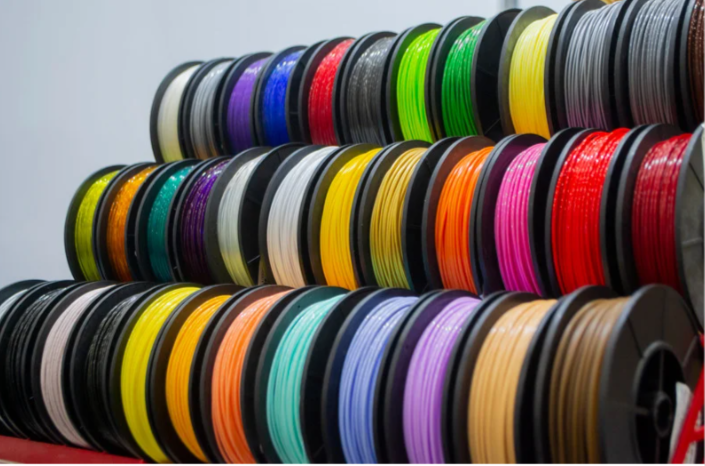
Spend a few weeks around makers and you will hear the same story: “My printer worked perfectly, then suddenly everything went wrong.” Very often the machine is fine and the material is the culprit. A spool of 3D printer Filament that has quietly soaked up moisture can bubble, string and snap, and no amount of tweaking settings will fix it. The same goes for liquid resin that has sat in warm light or settled without mixing.
This guide is about looking after what you print with. It does not repeat how to choose a machine or run a workflow. Instead, it covers storage, drying, handling, a troubleshooting table for each material and a simple routine that keeps problems from starting. Many of the fixes cost almost nothing, so read on even if your budget is tight.
Why Material Care Matters More Than You Think
A failed print wastes more than time. It wastes material, power and patience, and it makes people doubt their machine. Many “mystery” failures follow patterns: stringing, rough surfaces, weak layers, clogged nozzles, sticky resin or cloudy parts. Each of these often has a material-side cause that is easy to prevent.
Good storage also protects your wallet. A half-used spool or bottle that is ruined by poor storage is money in the bin. A small container, a desiccant pack and a labelled shelf cost very little compared with spoiled stock.
Understanding the Four Enemies
| Enemy | What it does | Affects |
|---|---|---|
| Moisture | Absorbed from the air, it turns to steam during printing and causes bubbles and weak parts | Mostly filament |
| Heat | Softens spools, speeds up ageing and thickens or alters resin | Both |
| Light | UV and strong light can start curing resin in the bottle and can age some plastics | Mostly resin |
| Dust and dirt | Cause clogs in filament paths and specks in resin | Both |
Keeping these four under control solves a surprising share of everyday problems.
Filament Care: Storage Basics
Think of filament like crackers: left open in humid air, it goes soft and stale. India’s warm, humid weather in many regions makes this especially relevant, so a little discipline pays off.
Good habits:
- Keep spools in sealed containers or zip bags with desiccant packs.
- Store in a cool, dark, dry place away from windows and heat sources.
- Return a spool to storage as soon as a long print finishes.
- Label each spool with its material, colour and date opened.
- Keep ends clipped into the spool holes so the filament does not tangle.
Habits to avoid:
- Leaving a spool on the printer for weeks.
- Storing near cooking areas, bathrooms or sunny windows.
- Piling spools without covers, where dust settles on them.
How Different Filaments Behave
Not all materials are equally sensitive. This table gives general patterns. Always follow the manufacturer’s guidance for your specific product.
| Material | Moisture sensitivity | Storage tip | Common sign of trouble |
|---|---|---|---|
| PLA | Moderate | Sealed box with desiccant | Stringing, rough surface, brittle snaps |
| PETG | Higher | Keep sealed, dry before important prints | Oozing, bubbles, cloudy surface |
| ABS | Moderate | Cool, dry storage | Weak layers, cracking |
| TPU | High | Strict sealed storage | Bubbling, poor feeding |
| Nylon | Very high | Sealed with strong desiccant, dry before use | Popping sounds, rough, weak parts |
If you print less common materials, check the maker’s datasheet for drying and storage notes.
Spotting Wet Filament
Your printer and your ears will often tell you before your eyes do.
| Symptom | What it feels or sounds like | What it means |
|---|---|---|
| Popping or crackling | Tiny snaps from the nozzle | Water turning to steam |
| Fine strings and blobs | Hairy-looking prints | Moisture causing oozing |
| Rough or fuzzy surface | Matte, uneven finish | Bubbles escaping |
| Weak, snapping layers | Parts break easily | Poor bonding from steam pockets |
| Brittle filament | Snaps when bent | Absorbed moisture or age |
If you see two or more of these, dry the spool before blaming settings.
Drying Filament Safely
Drying removes absorbed moisture. Use a purpose-made filament dryer where possible, since temperature control matters. Some people use ovens, but accuracy can be poor and overheating can ruin the spool or damage the container, so we would not recommend improvising unless you can control the temperature reliably.
A safe approach:
- Check the maker’s recommended drying temperature and time for your material.
- Use a dedicated dryer or a device with accurate temperature control.
- Never exceed the recommended temperature. Plastic can soften and deform.
- After drying, move the spool straight into sealed storage or print from a dry box.
- Allow it to cool fully before handling.
Drying times vary with material and how damp the spool is. Do not assume longer is always better.
Filament Troubleshooting Table
| Problem | Likely cause | What to try |
|---|---|---|
| Stringing | Wet filament or high temperature | Dry the spool, lower temperature slightly |
| Clogged nozzle | Dust, burnt residue or wrong temperature | Clean or replace nozzle, check settings |
| Under-extrusion | Wet filament, worn parts or partial clog | Dry, clean and inspect feed path |
| Rough surface | Moisture or dirty nozzle | Dry filament, clean nozzle |
| Weak layers | Moisture or low temperature | Dry spool, raise temperature carefully |
| Tangled spool | Loose end or poor winding | Rewind carefully, secure the end after each use |
| Colour inconsistencies | Mixed batches | Test small samples, keep spools from the same batch for one project |
| Warped corners | Cooling or bed issues, not only material | Improve bed adhesion and reduce draughts |
Resin Care: A Different Set of Rules
Liquid material needs different habits. Where filament fears damp air, resin fears light, heat and neglect. Anyone choosing 3D printer resin should treat each bottle as a light-sensitive chemical, not just a consumable. Treat it with the same care you would give a bottle of paint thinner, and your prints and your health will both thank you.
Storage essentials:
- Keep bottles tightly closed, upright and in a cool, dark place.
- Avoid sunlight, strong lamps and hot rooms.
- Store away from children, pets and food.
- Use bottles with proper labels, including the type, date opened and any notes.
- Keep a spill tray under bottles for safety.
Mixing and Using Resin
Pigments and additives can settle at the bottom of a bottle, and uneven resin gives uneven prints.
- Let the bottle reach a comfortable room temperature. Cold resin is thicker and harder to pour.
- Shake or stir gently, following the maker’s advice, then let bubbles settle.
- Pour slowly into the vat, staying within the marked limits.
- Keep the lid closed when not pouring.
- Filter leftover resin through a fine filter before returning it to the bottle, to remove cured bits.
- Wipe the bottle neck after pouring to avoid sticky threads and spills.
Never pour used resin back without filtering. Stray cured fragments can scratch the film or ruin the next print.
Caring for the Vat and Film
The vat holds your resin and the film at the bottom takes constant stress. Look after it.
| Task | How often | Why |
|---|---|---|
| Check film for cloudiness or scratches | Before each print | Poor film causes failed layers |
| Clean the vat with a soft tool and the recommended liquid | After problems or when changing resin | Removes cured fragments |
| Cover the vat when idle | Always | Keeps out dust and light |
| Replace the film when worn | As needed | Prevents leaks and defects |
| Wipe the build plate | After each print | Keeps the surface flat and clean |
Use plastic scrapers and soft tools, never metal ones that can scratch the film.
Resin Troubleshooting Table
| Problem | Likely cause | What to try |
|---|---|---|
| Sticky surface after curing | Poor washing or under-curing | Wash again, cure a little longer |
| Brittle parts | Over-curing or old resin | Shorten cure time, check storage |
| Cloudy finish | Dirty wash liquid | Replace wash liquid, shorten soaking |
| Failed layers or partial prints | Cold resin or worn film | Warm the room, replace film |
| Specks in the print | Cured bits in the vat | Filter resin, clean the vat |
| Yellowing | Light exposure in storage or too much curing | Store in the dark, reduce cure time |
| Thick, slow pouring | Low temperature | Allow it to warm gently to room temperature |
| Uneven colour | Poor mixing | Mix gently before pouring |
Image 3 (troubleshooting graphic): A symptom-to-cause chart for resin problems. Alt text: Chart linking common resin printing symptoms to likely causes.
Safety and Disposal Reminders
Resin needs particular care. Wear gloves and eye protection whenever you handle it, keep the room ventilated and never touch uncured liquid with bare skin. Our safety and workflow guide at [BLOG 2 URL] explains the full kit and waste disposal steps. As a rule, never pour liquid resin down a drain, and follow local rules for disposal.
For filament, safety is simpler, but still sensible: keep the printer ventilated, handle hot nozzles with care and do not leave long prints unattended.
Build a Simple Material Log
A small notebook or spreadsheet turns guesswork into knowledge. Record each new spool or bottle and what you learn.
| Column | Example of what to write |
|---|---|
| Material and brand | Type, colour, batch |
| Date opened | When you first used it |
| Storage method | Box, bag, shelf |
| Settings that worked | Temperature, exposure time, speed |
| Problems noticed | Stringing, brittleness, stickiness |
| Notes | Anything you would do differently |
After a few weeks you will know which materials suit your machine and climate best.
A Monthly Care Routine
| Task | Filament | Resin |
|---|---|---|
| Check storage containers | Replace desiccant if needed | Check bottle seals |
| Inspect stock | Look for brittleness or tangles | Look for settling, thickening or odd smells |
| Clean machine paths | Check nozzle and feed path | Clean vat, plate and film |
| Review log | Update notes | Update notes |
| Tidy workspace | Dust shelves and containers | Wipe spills, restock gloves and towels |
Fifteen minutes a month saves hours of troubleshooting later.
Common Mistakes to Avoid
Leaving spools on the printer. They collect dust and absorb moisture over time.
Ignoring early warning signs. Popping sounds and slight stringing are early hints. Act before the print fails.
Drying at the wrong temperature. Overheating can ruin a spool permanently.
Storing resin in light. A sunny shelf is a quick way to waste a bottle.
Skipping filtering. Old cured fragments in the vat cause repeated failures.
Mixing batches without testing. Colour and behaviour can differ.
Not labelling. Unmarked bottles and spools lead to wrong settings and wasted prints.
Frequently Asked Questions
1. How do I know if my filament is wet?
Listen for popping sounds and look for stringing, rough surfaces and weak layers. If you see several signs, dry the spool before changing settings.
2. Do I need to dry every spool?
Not always. Sensitive materials and humid conditions make it more important. Keep spools sealed and dry them when symptoms appear.
3. How long does resin last once opened?
It depends on the resin and how you store it. Keep it sealed, cool and dark, and follow the maker’s guidance on shelf life.
4. Can I reuse leftover resin from the vat?
Usually yes, if you filter it carefully to remove cured fragments and store it properly. Do not return unfiltered resin to the bottle.
5. Why is my resin print sticky even after curing?
Poor washing or too little curing is the most common cause. Wash again with fresh liquid and cure a little longer.
6. What is the best way to store filament in humid weather?
Use airtight containers with desiccant packs, keep them in a cool place away from sunlight and return spools to storage after use.
7. Is it safe to store resin at home?
Yes, if you keep bottles sealed, upright, labelled and away from children, pets and food, with a spill tray beneath them.
Final Thoughts
Good printing starts long before the nozzle heats or the light turns on. Store materials with care, watch for early warning signs, keep simple notes and run a small monthly routine. Those habits protect your stock, your machine and your patience.

 English
 Arabic
 Spanish
 Portuguese
 Deutsch
 Turkish
 Dutch
 Italiano
 Russian
 Romaian
 Portuguese (Brazil)
 Greek