


Exploring Verbal Reasoning and Linguistic Problem-Solving
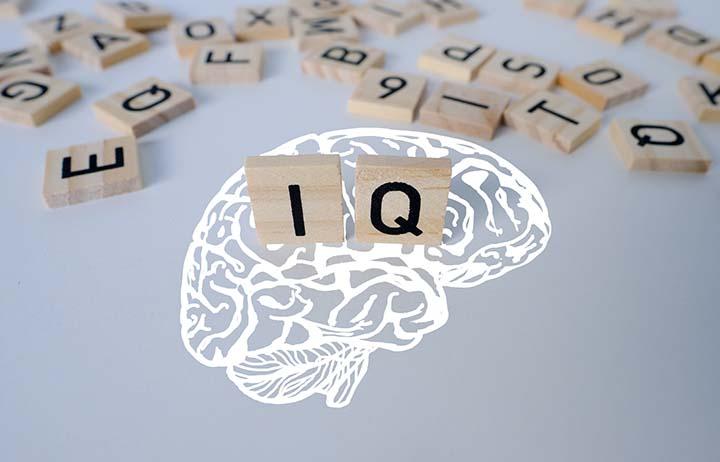
Language is one of the most helpful tools humans use to share ideas, connect concepts, and think clearly through everyday situations. When people explore an IQ Test online, verbal reasoning questions often offer a lively look at how the mind works with words, clues, and relationships. Verbal puzzles do not depend on memorizing rare dictionary terms; instead, they invite you to notice how ideas fit together naturally.
Practicing word and logic puzzles makes reading, writing, and everyday conversation feel even more enjoyable. Anyone can explore verbal challenges in easy, friendly language and discover how smoothly their mind spots connections between everyday words and concepts.
How Verbal Reasoning Works in Everyday Thinking
Verbal reasoning is the ability to understand written clues, see how words relate to one another, and draw clear conclusions from simple statements. It helps in daily life whenever you read directions, summarize a story, or explain a plan to a friend.
Spotting Word Relationships and Analogies
Word analogies ask you to see how two words connect and apply that same link to another pair. For example, noticing that a key opens a lock helps you see how a remote controls a television or how a brush applies paint.
Reading Clues and Context
Context clues show up everywhere—in riddles, stories, instructions, and group chats. Reading surrounding words carefully helps you catch small hints that point toward the right meaning or answer.
Grouping Ideas Into Clear Categories
Sorting words into groups helps organize thoughts cleanly. When you look at a set of words—such as apple, banana, orange, and hammer—your brain quickly spots which item belongs to a different group.
Common Types of Verbal Puzzles
Verbal brain teasers appear in several friendly formats, each highlighting a slightly different side of language logic.
| Puzzle Format | What You Do | Helpful Daily Skill |
| Word Analogies | Match a relationship from one word pair to another | Explaining ideas through clear comparisons |
| Odd-One-Out Words | Spot the word that does not fit a shared group | Organizing lists, items, and priorities |
| Short Logic Statements | Follow simple clues to see what must be true | Clear decision-making and attentive reading |
| Word & Letter Patterns | Notice shifts in letters, rhymes, or word links | Creative writing, word games, and spelling ease |
Simple Logic Statements and Riddles
Short logic riddles often give two or three clear sentences and ask a simple question. Reading each sentence carefully and tracking the exact details makes solving them fun and rewarding.
Letter and Word Connections
Some puzzles ask you to change a letter, find a rhyming pair, or spot a shared link across a few everyday words. These quick games brighten up a coffee break and keep language play lively.
Clear Summary and Main Idea
Spotting the main point of a short paragraph helps you capture what matters most without getting lost in extra details. This habit makes reading articles, guides, and stories faster and smoother.
Easy Habits to Build Verbal Ease
Growing comfortable with verbal puzzles does not require hours of study. A few light, enjoyable habits fit naturally into a normal week.
-
Read topics that spark your interest. Articles, stories, travel guides, and hobbies introduce fresh words in natural settings.
-
Play lighthearted word games. Crosswords, word searches, and riddle swaps make vocabulary and logic feel like play.
-
Write short notes in your own words. Jotting down a quick summary of something you read or watched helps ideas stick.
-
Pause to check small clues. Words like "all," "some," or "except" often carry helpful meaning in riddles and questions.
-
Share riddles with friends or family. Trading clever word puzzles turns thinking into a social, cheerful activity.
Turning Word Play Into Everyday Confidence
Enjoying verbal challenges makes it easier to share thoughts clearly at work, in study groups, or in casual chats. When you feel comfortable with language puzzles, reading new material and explaining your ideas feels calm and natural.
Many puzzle fans also enjoy swapping tips and reading community notes online to discover fresh brain teasers. If you are browsing discussions to find a Free IQ Test with engaging logic and reasoning questions, reading fellow learners' suggestions can help you pick fun options to try.
Conclusion
Verbal reasoning is a warm, everyday part of how we understand the world and connect with one another. Through simple word analogies, riddles, and reading habits, anyone can enjoy exercising their mind in an easy and uplifting way. Keep exploring words with curiosity, enjoy each clever clue you uncover, and take pride in how your thinking grows.
Frequently Asked Questions
What is verbal reasoning in plain words?
Verbal reasoning is how you understand words, spot links between ideas, and follow written clues to reach a clear answer.
Do I need big or unusual words to enjoy verbal puzzles?
Not at all. Many great verbal riddles and analogies use everyday words and focus on how ideas connect.
Can reading regularly help with verbal puzzles?
Yes. Reading stories, articles, and guides builds familiarity with sentence flow, clues, and word meanings over time.
Why are word riddles popular for brain workouts?
Word riddles are quick, friendly, and engaging, making them an easy way to warm up your focus during a break.
How can I make verbal puzzles less rushed?
Read each clue slowly, notice key words, and test your answer against every part of the prompt before choosing.

 Arabic
 French
 Spanish
 Portuguese
 Deutsch
 Turkish
 Dutch
 Italiano
 Russian
 Romaian
 Portuguese (Brazil)
 Greek