


What Happens When the Skin Above the Belly Button Is Too Tight After Surgery?
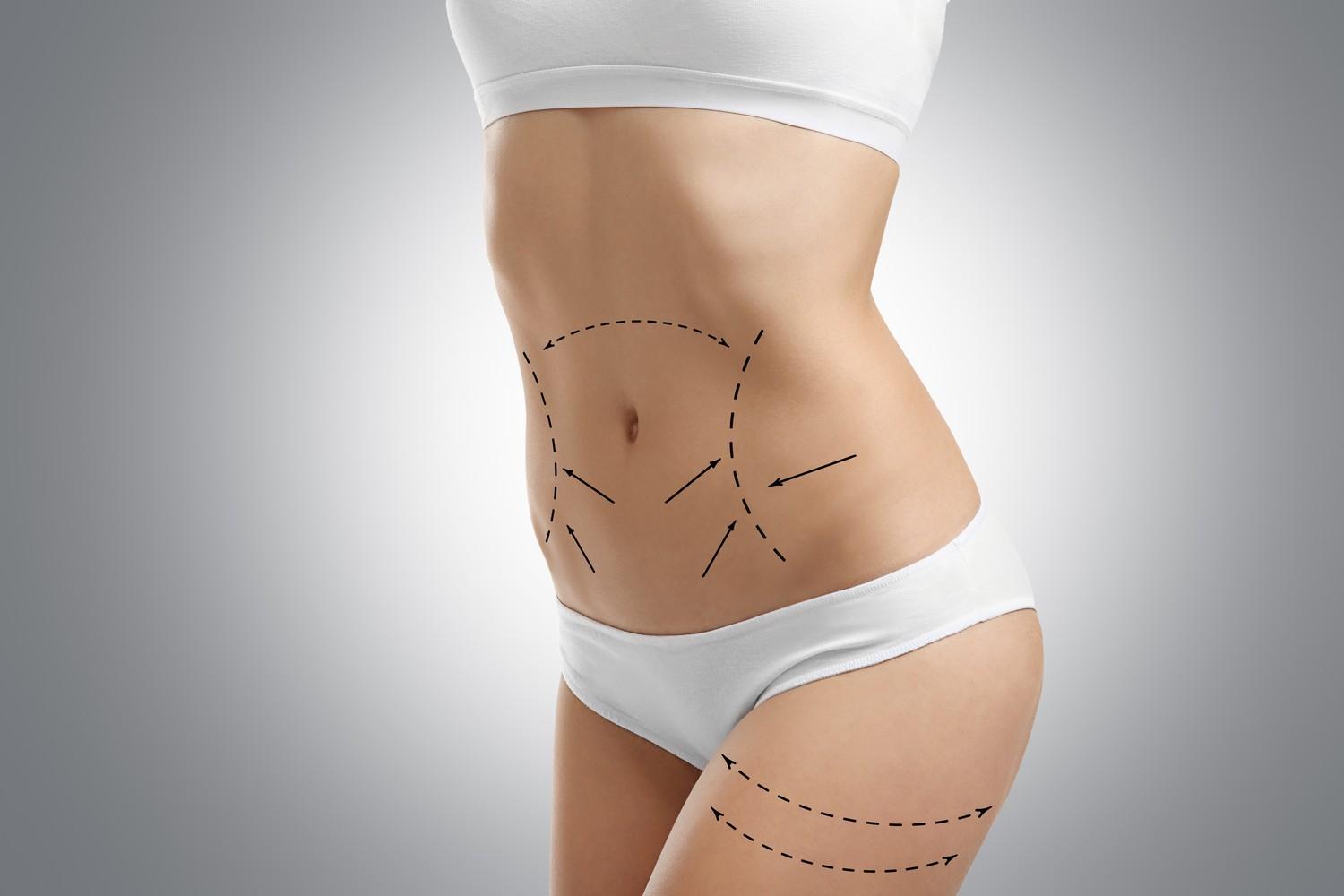
After a tummy tuck, most patients expect a flatter, smoother abdomen. However, some notice that the skin above their belly button feels unusually tight, stretches uncomfortably, or seems to pull whenever they stand upright or move. This can be worrying, particularly when the upper abdomen feels different from the lower stomach. For individuals considering Tummy Tuck in Islamabad, understanding how abdominal skin tension develops after surgery can help explain what is normal during recovery and when further assessment may be necessary.
During abdominoplasty, the abdominal skin is lifted, excess tissue is removed, and the remaining skin is repositioned to create a smoother contour. This naturally creates some tension as the tissues adjust to their new position. However, excessive tension can affect comfort, wound healing, and the final abdominal appearance. The goal is to achieve a flatter abdomen without placing unnecessary stress on the skin and surrounding tissues.
Why Does the Skin Above the Belly Button Feel Tight After a Tummy Tuck?
A tummy tuck involves pulling the remaining abdominal skin downward after removing excess tissue from the lower stomach. This means the skin above the belly button must adapt to a different position and cover a larger area than before.
As a result, patients commonly experience tightness, pulling sensations, and difficulty standing completely upright during the initial recovery period. These feelings may be more noticeable when the operation also includes abdominal muscle repair.
Swelling can contribute to the sensation because the operated tissues remain inflamed while healing. Some tightness is an expected part of recovery and does not automatically indicate a surgical complication.
What Is the Difference Between Normal Tightness and Excessive Skin Tension?
Normal postoperative tightness generally improves gradually as swelling decreases and the tissues become more comfortable with their new position. Patients may initially walk slightly bent forward because standing fully upright places tension on the healing abdomen.
Excessive tension is different. It may occur when too much skin has been removed or when the remaining tissue cannot be closed comfortably without significant strain.
The surgeon must balance the amount of skin removal with the available tissue, blood supply, and ability to close the incision safely.
The feeling of tightness alone cannot establish whether the skin has been pulled too tightly. A clinical examination is needed to distinguish normal healing from a problem that requires attention.
Can Excessive Skin Tightening Affect the Belly Button?
Yes. The position and appearance of the belly button can be influenced by how abdominal skin is repositioned during a full tummy tuck.
During surgery, the original belly button is usually preserved and brought through a newly created opening in the tightened abdominal skin. If the surrounding tissue is under excessive tension, healing around the navel may become more difficult.
In some cases, the belly button may appear stretched, distorted, or unusually positioned. Problems with its blood supply can also affect healing and, rarely, result in tissue damage.
Preserving the blood supply and natural position of the belly button is an important part of surgical planning.
What Problems Can Develop If the Abdominal Skin Is Too Tight?
Excessive tension is more concerning when it interferes with normal tissue circulation or places too much stress on the surgical incision. The skin needs adequate blood supply to heal properly.
Depending on the severity, potential complications may include:
-
Delayed wound healing: Excessive tension may make it harder for the incision to heal normally.
-
Wound separation: Too much pulling force can place stress on the stitches and cause parts of the incision to open.
-
Poor skin circulation: Reduced blood supply may affect the health of the repositioned abdominal skin.
-
Skin necrosis: In severe cases, poorly supplied tissue may become damaged or die.
-
Widened scarring: Excessive tension during healing can contribute to a more noticeable scar.
-
Navel healing problems: The belly button may experience delayed healing or changes in appearance.
These complications are not inevitable, but they explain why careful surgical planning and postoperative monitoring are essential.
Can Muscle Tightening Make the Upper Abdominal Skin Feel More Restricted?
Yes. Some tummy tuck procedures include muscle plication, a technique used to bring separated abdominal muscles closer together.
This is commonly performed when patients have diastasis recti, which involves stretching and separation of the connective tissue between the abdominal muscles. Tightening the abdominal wall can improve the stomach's contour, but it may also create a temporary sensation of restriction.
Patients may find it uncomfortable to stand upright, stretch, or change positions during the early recovery period. The sensation generally improves as the tissues heal.
However, persistent or severe pain should not automatically be attributed to muscle repair. Skin tension and deeper abdominal muscle tightness are different issues and may require separate assessment.
Why Does Skin Quality Matter When Planning a Tummy Tuck?
Not everyone's abdominal skin has the same elasticity or ability to stretch. Someone with relatively firm skin may tolerate a different degree of repositioning than a patient with significant laxity, previous surgical scars, or damage to the skin's supporting tissues.
Pregnancy, ageing, substantial weight loss, and previous abdominal procedures can all influence skin quality. Previous liposuction or surgery may also affect the tissues and blood supply.
When planning Tummy Tuck in Islamabad, the surgeon should assess how much excess skin can be removed without placing excessive tension on the remaining abdominal tissue.
Removing more skin does not necessarily produce a better result if the closure becomes unsafe.
How Do Surgeons Prevent Excessive Skin Tension During Surgery?
Preventing excessive tension begins before the operation. The surgeon examines the amount of redundant skin, abdominal muscle condition, skin elasticity, previous scars, and the patient's overall anatomy.
The amount of skin removed is planned carefully so that the remaining tissue can be repositioned and closed without excessive pulling. In selected cases, progressive-tension sutures may be used to secure the abdominal tissue and distribute tension more evenly.
The surgeon must also consider whether additional procedures, such as extensive liposuction, could affect blood circulation in the abdominal skin.
A balanced surgical plan prioritises healthy tissue, safe closure, and a natural abdominal contour rather than maximum skin removal.
What Can You Do If Your Skin Feels Too Tight During Recovery?
The first few weeks after abdominoplasty require patience because the abdominal tissues are still healing. You should follow the position, movement, and wound-care instructions provided by your operating surgeon.
Patients are often advised to walk slightly bent forward initially and gradually return to an upright posture as comfort improves. Do not force your abdomen to stretch or attempt to straighten your body before your surgeon considers it appropriate.
Wear your compression garment only as directed. An excessively tight garment may create additional discomfort or pressure, so ask your surgical team to check its fit rather than adjusting it independently.
If you experience increasing pain, worsening swelling, unusual skin colour changes, wound opening, discharge, or fever, contact your surgeon promptly. Dark, dusky, unusually pale, or blistering skin requires urgent assessment, especially when accompanied by increasing pain.
Never try to correct excessive postoperative tightness through forceful stretching, massage, or pressure without medical approval.
Does Postoperative Tightness Eventually Improve?
In many patients, the tight and pulling sensation gradually becomes less noticeable as swelling decreases and healing progresses. Early stiffness does not necessarily indicate that the final result will look or feel uncomfortable.
The recovery timeline varies according to the extent of surgery, whether muscle repair was performed, and individual healing characteristics. Some changes in sensation and tightness may take several months to settle.
However, persistent restriction or worsening discomfort should be reviewed rather than simply waiting for it to disappear.
The final abdominal contour and comfort level should be assessed after sufficient healing, not judged during the earliest recovery stages.
Can Revision Surgery Correct Excessive Tightness?
Revision surgery may be discussed in selected cases when an actual structural problem remains after the tissues have healed. However, it is not automatically necessary when a patient experiences ordinary postoperative tightness.
The surgeon first needs to determine whether the concern involves scar contracture, excessive tissue tension, contour irregularity, muscle repair, or another complication. Depending on the findings, treatment may involve observation, scar management, or carefully planned corrective surgery.
Revision procedures also carry risks, particularly because previously operated tissues may have altered blood supply and internal scarring.
Corrective surgery should only be considered after identifying the cause and weighing the potential benefits against the risks.
Final Thoughts
Tight skin above the belly button is common during the early stages of tummy tuck recovery because the remaining abdominal tissue has been repositioned. However, excessive tension can affect blood circulation, wound healing, belly button appearance, and the final abdominal contour. Careful surgical planning, appropriate recovery instructions, and timely medical assessment help distinguish normal healing from potential complications.
For individuals considering Tummy Tuck in Islamabad, Dynamic Aesthetic Clinic offers personalised body-contouring consultations, experienced board-certified surgeons, and advanced surgical techniques. Its team can assess abdominal skin quality, muscle separation, and individual anatomy to discuss a surgical approach that prioritises safe tissue closure, natural contours, and appropriate recovery.

 English
 Arabic
 French
 Spanish
 Portuguese
 Deutsch
 Turkish
 Dutch
 Italiano
 Romaian
 Portuguese (Brazil)
 Greek