


Why Antón Makes a Smart Base for Exploring Panama’s Pacific Riviera
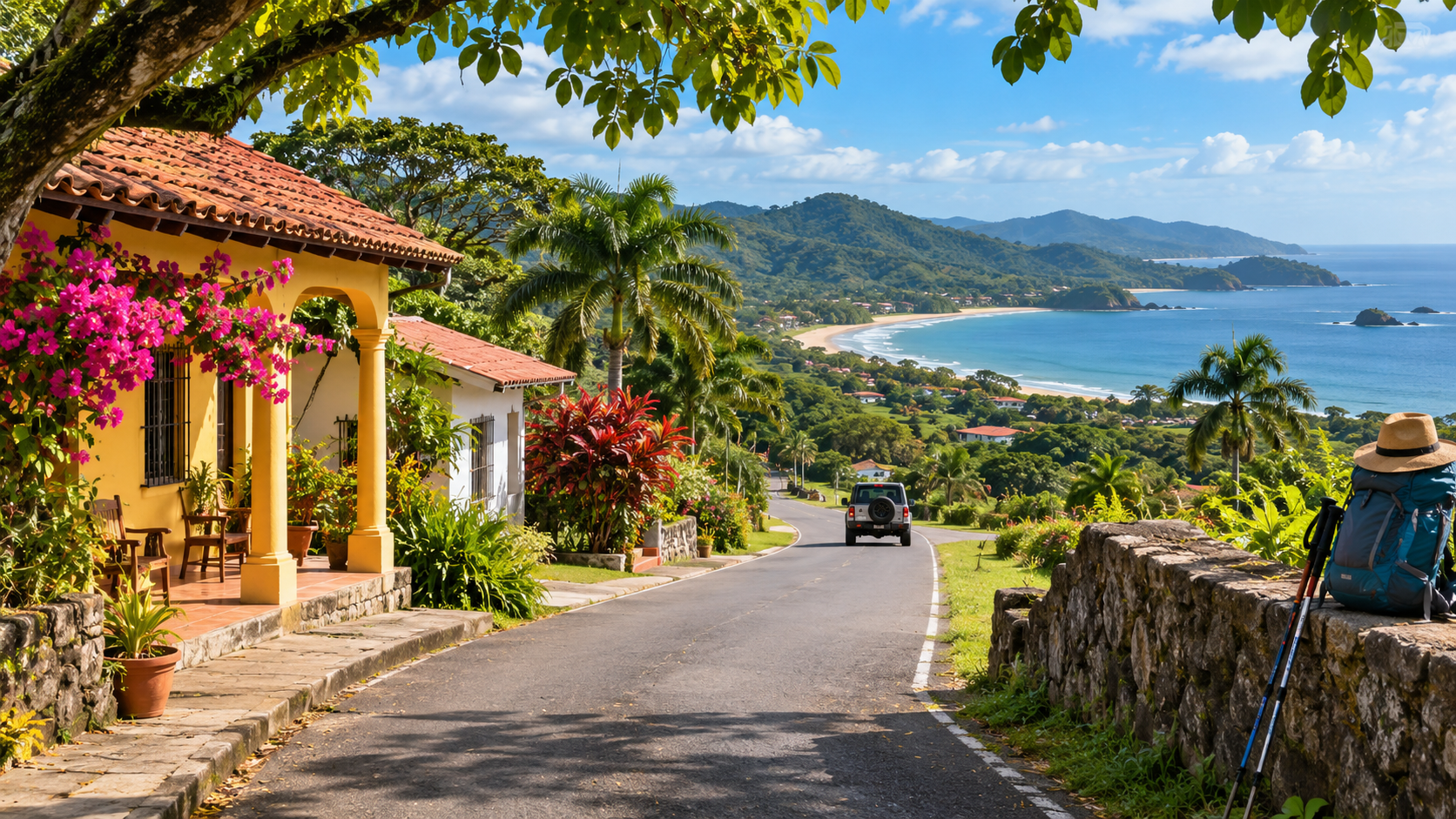
Antón, in Panama’s Coclé province, is an unusually practical base for a Pacific Riviera trip. It sits close to both the coast and the cooler mountain landscapes of El Valle, while remaining within reach of Panama City. For visitors who want beaches, waterfalls, hiking, and day trips without changing hotels every night, arranging car rentals in Antón can make the region far easier to explore.
The Pacific Riviera is not one compact resort town. It is a roughly 40-kilometre stretch along the Pan-American Highway, with beach communities on one side and mountain villages on the other. Panama’s national tourism authority describes the area as beginning about 80 kilometres from Panama City, with turn-offs to beaches on the left and mountain destinations on the right. That geography is precisely why a car is useful: public transport can get you close to the highway, but many hotels, trailheads, restaurants, and beaches require a final taxi ride or a longer walk.
Antón’s practical location
Antón is best understood as a crossroads rather than a single destination. The town lies in Coclé province, near the turn toward El Valle de Antón, and gives drivers straightforward access to the Pacific Riviera’s coastal communities, including Coronado, Playa Blanca, Bijao, and Buenaventura.
This position matters because the Riviera’s attractions are spread out. Coronado is known for its dark-sand beach and established range of hotels, restaurants, and services, while Playa Blanca, Bijao, and Buenaventura offer resort-oriented stretches of golden sand. On the mountain side, El Valle sits in the crater of an extinct volcano and is associated with waterfalls, hiking routes, cooler temperatures, and a more compact village atmosphere.
A traveler staying in Antón can therefore avoid the trade-off that often frustrates first-time visitors: choosing between a beach hotel that is inconvenient for mountain excursions and a mountain lodge that adds driving time to every beach day. Antón reduces that compromise.
What you can reach from Antón
Beaches and coastal towns
From Antón, the coast is generally an easy drive along the Pan-American Highway. Coronado is one of the region’s most developed beach areas, with a long-established visitor infrastructure, while Playa Blanca and Buenaventura are particularly convenient for travelers prioritizing resorts, pools, and organized beach amenities.
For more active coastal experiences, Chame, El Palmar, Playa Malibú, and Playa Teta are associated with surfing, while Punta Chame is known for kitesurfing conditions. These are not interchangeable destinations. Surf beaches can involve stronger waves and changing conditions, while resort beaches are usually better suited to travelers who want predictable access to food, shade, parking, and family facilities.
A sensible approach is to treat Antón as the overnight base and plan one coastal focus per day. For example, combine a morning drive to Coronado with lunch and errands there, then return through the highway rather than trying to cover several distant beach areas in a single afternoon.
El Valle de Antón
El Valle is the strongest reason to base yourself near Antón rather than solely on the coast. The town lies inside an extinct volcanic crater and offers a noticeably different experience from the beach strip: mountain roads, hiking, waterfalls, and a cooler climate.
Visitors commonly come for the Chorros de las Mozas and Chorro de los Enamorados waterfalls, the La India Dormida hike, and the Ruta de la Caldera, a set of trails that circles the crater. The area also has a butterfly garden and opportunities for walking, cycling, and horseback riding.
These activities reward a flexible schedule. Trails, local guides, weather, and road conditions can change the practicality of a plan, especially during Panama’s wetter months. A rental car gives you the ability to shift a hike to the morning, wait out rain, or make a separate trip for supplies without relying on fixed bus timings.
Panama City as an arrival hub
Most international visitors arrive through Panama City, and the capital remains the main gateway for a Riviera trip. Panama’s tourism authority estimates that the Riviera begins roughly 80 kilometres from the city, with a driving time of about an hour and a half before travelers begin reaching beach and mountain turn-offs.
That makes car rental in Panama City a sensible option for travelers who want to collect a vehicle at the airport or in the capital, drive directly to Antón, and use it throughout the trip. It also suits visitors combining the Riviera with time in Panama City, the Panama Canal area, or other parts of the country.
The alternative is to take a bus from Albrook’s Gran Terminal de Transporte toward the Riviera. Buses stop along the Pan-American Highway, but passengers then need a taxi for the final distance to many accommodations and attractions. That can work for a simple beach stay, but it becomes less convenient for a multi-stop itinerary involving El Valle, supermarkets, restaurants, and trail access.
Why a rental car suits this region
Independence between coast and mountains
The Riviera’s core appeal is variety. In a single trip, travelers can move between a dark-sand beach, a surf break, a resort, a mountain crater, and a national park. Altos de Campana, Panama’s first national park, is also part of the wider region and offers hiking and wildlife-oriented routes.
Public transport is available along the main highway, but it is not designed around door-to-door sightseeing. A car allows travelers to carry beach equipment, hiking shoes, groceries, and luggage without repeatedly coordinating taxis. It also makes early starts easier, which matters for hikes and for avoiding weekend traffic.
Better use of a short stay
Many visitors to Panama have limited time. A three- or four-night stay can feel fragmented if every excursion requires a separate transfer. With a car based in Antón, a traveler can structure the trip around two or three clear day trips: one coastal day, one El Valle day, and one flexible day for weather, shopping, or a longer drive.
This is especially useful for U.S. visitors accustomed to road trips and for Panama-based residents escaping the capital for a weekend. The route is straightforward in principle, but traffic leaving Panama City can extend travel time, particularly on weekends.
Choosing the right vehicle
A small sedan or compact SUV is usually sufficient for the main Riviera route and the paved roads leading to major towns. Travelers should not assume that every attraction requires a four-wheel-drive vehicle. The more important questions are luggage space, passenger comfort, ground clearance for a specific property access road, and whether the rental includes suitable coverage.
For couples or small families, an economy or compact car can work well. For groups, surf equipment, or travelers visiting more remote lodges, a larger SUV may be more comfortable. Before booking, check the exact pickup location, mileage policy, fuel policy, deposit terms, and whether additional drivers are permitted.
YalaRide is a car-rental marketplace that lets travelers compare vehicle categories from rental operators and place a bid below a listed rental price; its site states that bids are generally accepted or rejected within minutes and that bookings made through its Bid My Price feature are prepaid. For a destination such as Antón, where pickup arrangements and vehicle type can materially affect the itinerary, comparing options before committing is more useful than choosing the first available car.
Rental documents and insurance
What rental companies commonly require
Rental requirements are set by individual companies, so travelers should confirm them directly with the operator before booking. In Panama, major rental companies commonly ask for a valid driver’s license, a passport for international visitors, and a major credit card in the driver’s name.
Some operators specify additional conditions. Sixt, for example, states that renters and approved drivers must hold a full valid license for at least one year, and that drivers who have been resident in Panama for more than three months must present a Panamanian license. These are company policies rather than a universal national rule, so they should not be treated as applying to every rental provider.
Foreign licenses that do not use the Latin alphabet may require an international driving permit under certain rental-company policies. Travelers should carry their passport, license, and payment card, and should ensure that the name on the card matches the main driver’s documents.
Insurance: distinguish legal cover from rental protection
Third-party liability insurance is described by at least one rental operator as mandatory under Panama’s traffic regulations. However, the exact insurance package, deductible, exclusions, and proof requirements vary by company.
Collision damage waiver and theft protection are separate matters. Alamo’s Panama City locations, for instance, state that CDW-TP may be required unless the customer purchases the operator’s protection package or provides written proof that a credit card provides collision and theft protection in Panama. That illustrates why travelers should read the rental agreement carefully rather than assuming that their home insurance, credit-card benefits, or a basic online booking automatically covers every risk.
Before pickup, ask three questions: What is the deductible? Does the policy cover windshield, tyres, underbody, and roadside assistance? Is there written confirmation of what my credit card or travel insurance covers in Panama?
Driving sensibly in Coclé
Panama drives on the right. The country’s traffic regulation sets default speed limits of 40 km/h on streets and residential areas, 60 km/h on avenues, 100 km/h on roads, and 120 km/h on motorways, although posted signs and local conditions take priority.
The Pan-American Highway is generally the practical spine of a Riviera trip, but it is not a place for casual overtaking or high-speed driving. Expect trucks, buses, slower local traffic, pedestrians, and turn-offs for beaches and communities. Rain can reduce visibility and make road surfaces more demanding, particularly on mountain routes toward El Valle.
Plan for daylight driving where possible. If you are arriving on an evening flight, consider staying in Panama City for the first night or arranging accommodation close to your pickup point, then collecting the car the following morning. This reduces the risk of navigating unfamiliar roads, finding a hotel, and dealing with a rental handover after a long flight.
A practical three-day itinerary
Day 1: Arrive and settle in
Collect the car in Panama City or at the airport, drive to Antón, and use the afternoon for groceries, fuel, and orientation. If you arrive early enough, visit a nearby beach for sunset rather than attempting a long mountain excursion.
Day 2: El Valle and the crater
Leave early for El Valle. Choose one main hike or waterfall visit, allow time for lunch in town, and keep the afternoon flexible. Mountain weather can change quickly, and trail conditions may be better in the morning.
Day 3: Coast and return
Drive to Coronado, Playa Blanca, or another coastal area that matches your priorities. If you surf, check local conditions and your own experience level before entering the water. If you prefer a relaxed day, choose a beach with facilities and plan the return drive before dark.
This structure works because it uses Antón as a hub rather than treating every excursion as a separate relocation. It also leaves room for the realities of travel: traffic, weather, roadworks, and the simple fact that a good beach day does not always follow a fixed schedule.
When Antón is not the best base
Antón is not automatically the right choice for every traveler. Someone attending a resort-focused vacation at Buenaventura or Playa Blanca may prefer to stay at the resort itself. A traveler focused exclusively on nightlife, restaurants, and city attractions may find Panama City more convenient. And visitors relying entirely on public transport should choose accommodation very close to the Pan-American Highway, because bus stops do not necessarily put them within walking distance of their hotel.
For travelers who want both coast and mountains, however, Antón offers a rare balance. It keeps the region’s main experiences within practical driving distance while avoiding the cost and inconvenience of moving accommodation every night.
Frequently asked questions
Is Antón a good base for a first visit to Panama’s Pacific Riviera?
Yes, particularly for travelers who want to visit both beaches and El Valle. Its location provides relatively easy access to the coastal strip and the mountain area, reducing the need to change hotels during a short trip.
Do I need a car to explore the Pacific Riviera?
Not always, but a car is the most convenient option for a flexible itinerary. Buses from Albrook serve destinations along the Pan-American Highway, but many beaches, hotels, and attractions require an additional taxi ride from the highway.
Can I rent a car in Panama City and drive to Antón?
Yes. Panama City is about 80 kilometres from the start of the Riviera, and the tourism authority estimates roughly an hour and a half of driving before travelers begin reaching turn-offs to beaches and mountains. Confirm the rental company’s cross-location or one-way policy if you plan to return the vehicle elsewhere.
What documents should I bring to collect a rental car?
Bring a valid driver’s license, passport if you are an international visitor, and a major credit card in the driver’s name. Individual operators may have additional requirements, including minimum age, license duration, deposit rules, and insurance documentation.
Is El Valle suitable for a day trip from Antón?
Yes. El Valle is close enough for a day trip, although travelers should allow time for mountain driving, hiking, meals, and possible rain. Its waterfalls, trails, and crater setting make it one of the region’s most distinctive excursions.

 English
 Arabic
 French
 Spanish
 Portuguese
 Deutsch
 Turkish
 Dutch
 Italiano
 Russian
 Romaian
 Portuguese (Brazil)