


What a Handyman Can Fix in One Visit for Older Homes in West Seattle, WA
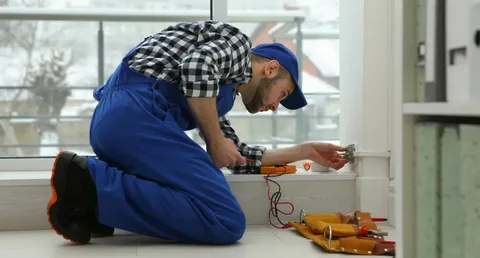
Older West Seattle homes often show their age through small problems: a loose stair rail, a sticking door, or damaged trim. A planned visit from Greg The Contractor can address several related tasks, as long as the work fits a handyman’s scope and the needed parts are ready. Many small repairs can be finished in a few hours, while hidden water damage, unsafe wiring, or structural concerns need a specialist. For homeowners comparing handyman services in west seattle, wa, the key is knowing which jobs can be grouped safely and which should not be rushed.
Key Takeaways
-
Small repairs involving doors, trim, drywall, caulk, and hardware often fit one visit.
-
Older plaster, painted surfaces, and damp wood need a careful first inspection.
-
A clear repair list helps the worker bring the right tools and materials.
-
Electrical, plumbing, structural, and major water problems may need another trade.
The best one-visit candidates are visible, limited, and easy to reach. Examples include adjusting a door, replacing a damaged latch, patching a small wall hole, securing a handrail, or renewing failed caulk around a tub. A handyman can often complete several of these jobs together when the work area is ready and no hidden damage appears.
What a Handyman Can Usually Fix in One Visit
Older houses commonly need small repairs that are not difficult on their own but become annoying when left undone. Doors may rub against old frames, cabinet hinges may loosen, and baseboards may pull away from the wall. A handyman can often adjust, fasten, patch, or replace these items during the same appointment.
Minor drywall repair is another common task. Small nail holes, dents, and cracks that do not signal movement in the structure can usually be filled, sanded, and prepared for paint. Small areas of trim may also be repaired or replaced, especially around doors and windows. Matching old paint or wood stain may take more time than the repair itself, so homeowners should have realistic expectations about how closely a patch will blend.
Bathroom and kitchen maintenance can also fit a planned visit. Failed caulk, loose towel bars, cabinet hardware, and worn weatherstripping are often manageable. A worker may replace an accessible fixture part, but a leak inside a wall or under a floor is a different problem. That is why homeowners should describe symptoms clearly instead of asking only for a quick cosmetic fix.
For this reason, many homeowners use handyman services in west seattle, wa to group several small maintenance tasks. The visit works best when each item is described before scheduling, including its location, size, and any known history of water or movement.
Common One-Visit Jobs
The following jobs often fit one visit when the surfaces are sound and the parts are available. They are not automatic promises, because an inspection can reveal a larger issue.
-
Adjusting sticking interior doors or replacing simple door hardware.
-
Patching small drywall holes and minor plaster damage.
-
Replacing loose trim, small sections of baseboard, or damaged molding.
-
Renewing failed caulk around sinks, tubs, counters, or windows.
-
Securing handrails, grab bars, shelves, and other household fixtures.
Why Older Homes Need Extra Care
Older homes can hide the reason a small repair failed. A loose piece of trim may be the result of wood rot near a window. A cracked plaster wall may reflect normal age, but a widening crack could point to movement that needs closer review. Moisture around siding, window sills, decks, and bathroom surfaces should be treated as a clue, not just a surface problem.
The materials also matter. Plaster is harder and less flexible than modern drywall, so a patch may need a different method. Several layers of old paint can make sanding or scraping unsafe. Homes built before 1978 may contain lead-based paint, and suspect surfaces should not be disturbed casually. A careful worker will pause when the repair could create dust or expose an unknown material.
A common question is whether a handyman should open a wall to find a leak. Usually, the first step is to locate the source and decide whether a plumber or other specialist is needed. Opening the wall before that decision can create extra damage without solving the cause.
Choosing Handyman Services in West Seattle, WA for Older Homes
A West Seattle handyman services may be able to complete more work in one visit when homeowners share photos, measurements, and a short list ahead of time. Pictures can show whether a repair is inside or outside, whether access is tight, and whether a replacement part may be needed. They also help separate a small surface repair from a possible moisture or structural problem.
Scheduling should allow enough time for inspection, preparation, and cleanup. Packing too many unrelated jobs into one appointment can lead to rushed work. A better plan groups tasks by location or material, such as door adjustments throughout the house or caulk and hardware work in one bathroom.
Homeowners should also clear furniture, stored items, and rugs from the work area. If a repair involves a shutoff valve, access to the sink, crawl space, or utility area may be important. When the worker can reach the problem without moving heavy belongings, more of the planned visit can be used for the repair itself.
Prepare for a Productive Appointment
Good preparation does not require special tools. It mainly means gathering information and making the work area safe. A simple list should name each problem, explain when it started, and note whether it gets worse after rain, heat, or regular use.
-
Send clear photos that show both the close-up problem and the larger area.
-
List the materials, colors, sizes, or replacement parts already available.
-
Move furniture and household items away from each repair location.
-
Mention past leaks, previous patches, unusual odors, or recurring damage.
-
Rank the tasks so the most important safety or moisture issue comes first.
The list should also separate repairs from questions. For example, a homeowner may want a loose stair rail fixed and also want to know why the wall beside it is cracking. The first may be a direct repair, while the second may need a wider inspection. Sharing both concerns early helps prevent a cosmetic fix from hiding a deeper problem.
When One Visit Is Not Enough
Some jobs look small but involve systems that need special training or a closer inspection. A loose outlet, repeated drain backup, sagging floor, or ceiling stain may be more than a handyman repair. In those cases, Seattle home repair planning should begin with the cause, not just the visible mark.
Major electrical work, gas lines, structural changes, extensive plumbing, roof repairs, and large areas of wood rot may require a licensed trade or another specialist. Depending on the task, local requirements may also affect who can perform the work or whether approval is needed. A responsible assessment should make those limits clear rather than treating every problem as a quick fix.
One visit may also be the wrong choice when several rooms show the same symptom. Matching stains on different ceilings, doors that shift throughout the house, or repeated cracks can suggest movement or moisture. The repair may still be manageable, but diagnosis needs to come before patching and paint.
Signs the Job Needs More Than One Visit
These warning signs do not always identify the cause, but they show why a simple repair may need more time or another professional.
-
Water stains that return after cleaning, drying, or repainting.
-
Cracks that widen, cross several materials, or appear with sticking doors.
-
Electrical, gas, or plumbing problems that affect more than one fixture.
-
Rot, sagging, soft flooring, or damage that extends behind the surface.
-
A repair that requires major demolition, special testing, or new system work.
Decision Factors Before Booking
Before booking, homeowners should consider the age of the home, the number of tasks, the condition of the surfaces, and the access needed. A short list of visible repairs may fit one visit, but a list built around one suspected cause may need an inspection first. The more clearly the problem is described, the easier it is to set a useful scope.
Homeowners often ask whether combining jobs will reduce the total cost. The answer depends on travel, time, materials, access, and whether the tasks use similar tools. Grouping work can make the appointment more efficient, but it should not encourage rushed repairs or the use of an unsuitable patch.
Another common question is whether a repair should be completed before a home is painted or listed for sale. Loose hardware, failed caulk, and visible wall damage are usually easier to address before final paint. However, active leaks, unsafe rails, and electrical concerns should take priority over appearance because surface work will not correct the cause.
The final decision should also account for the home’s history. If an older repair has failed several times, the next visit should focus on why it failed. Repeating the same patch may cost less at first but leave the main problem in place.
Frequently Asked Questions
Can a Handyman Repair Cracked Plaster in an Older Home?
A handyman can often repair a small, stable plaster crack. Cracks that grow, run through several surfaces, or appear with sloping floors or sticking doors should be reviewed before patching.
Can One Visit Include Both Indoor and Outdoor Repairs?
It can, if the work is clearly described and the time, weather, tools, and materials allow it. Outdoor wood rot or moisture damage may need more inspection than an indoor hardware repair.
Are Small Electrical Repairs Suitable for a Handyman?
Some limited tasks may be allowed within a worker’s training and local rules, but unsafe wiring, repeated breaker trips, damaged panels, and new circuit work should be handled by a qualified electrician.
Should a Homeowner Repair or Replace an Old Door?
A door may only need hinge adjustment, new weatherstripping, or a latch replacement. Replacement becomes more likely when the frame is rotten, badly warped, or no longer provides a safe seal.
How Can Homeowners Make Parts Ready for the Visit?
They should share measurements, model numbers, photos, and the location of any matching hardware. If the correct part is uncertain, it is better to ask for confirmation than buy a part that cannot be installed.
What Should Happen If More Damage Is Found?
The worker should explain what was found, what can be safely completed, and what needs another trade. Homeowners can then decide whether to stop, revise the scope, or schedule a separate repair.
Conclusion
A handyman can often fix a useful group of small problems in one visit, especially when the work involves visible damage, common hardware, minor drywall, trim, caulk, or safety fixtures. Older West Seattle homes require extra care because moisture, old materials, and hidden movement can change the scope. Clear photos, realistic priorities, and an honest review of trade limits help homeowners get repairs completed safely without covering up a larger issue.
Schedule the Right Next Step
Homeowners who notice several small issues can start by writing a short repair list and taking clear photos of the problem areas. A local professional can review the list, confirm which tasks fit one visit, and note any parts or specialist work required. Scheduling the assessment before damage spreads may make planning easier, especially around windows, doors, stairs, and bathrooms. The best next step is a conversation about scope, safety, access, materials, timing, and what the visit can realistically accomplish.

 English
 Arabic
 French
 Spanish
 Portuguese
 Deutsch
 Turkish
 Italiano
 Russian
 Romaian
 Portuguese (Brazil)
 Greek