


Mold Removal Sarasota After Hurricane Damage and Home Flooding
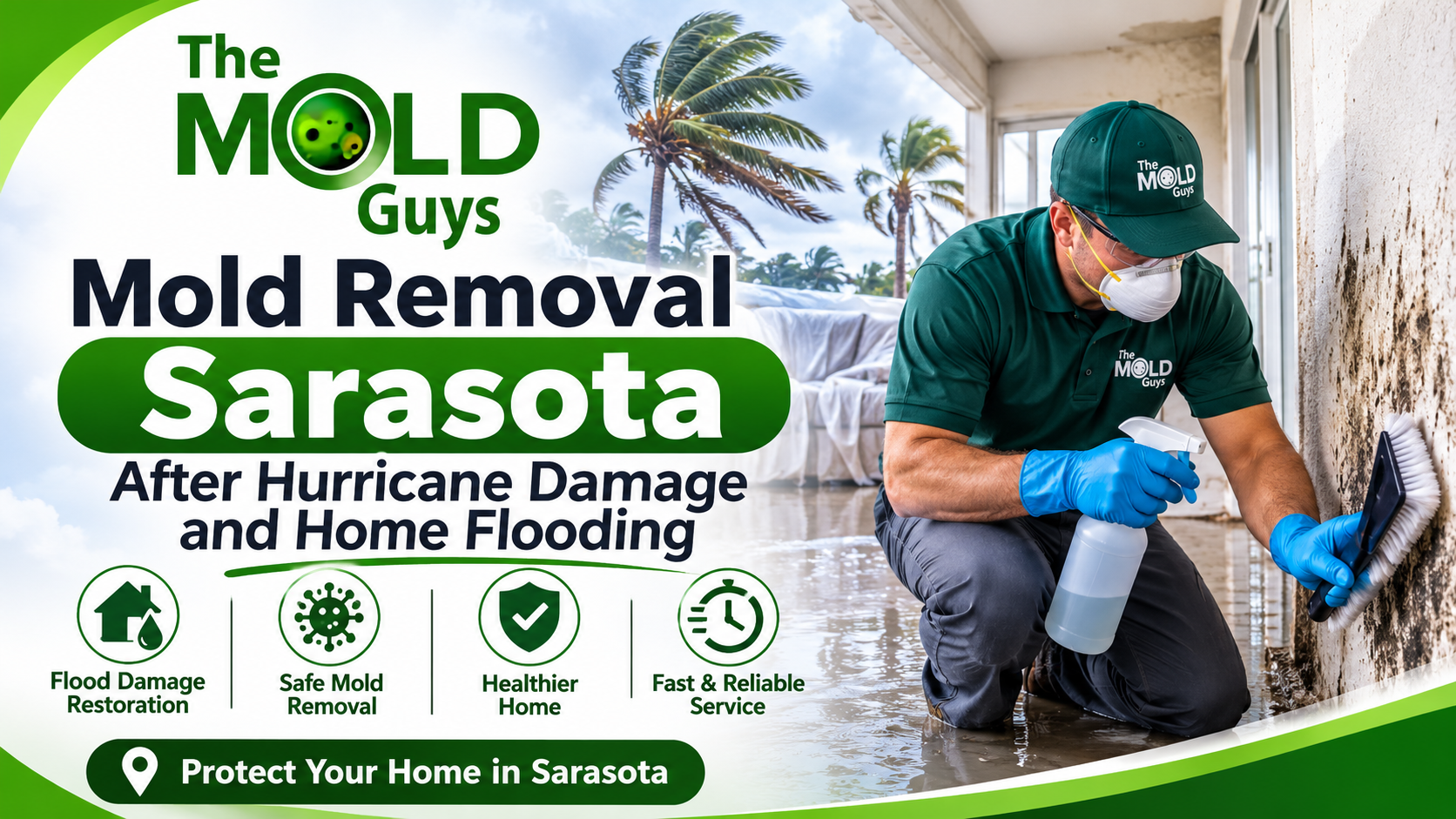
The water is gone from your street and the cleanup has started. Then the smell arrives. After a hurricane or a flood, mold often shows up days later in walls, ceilings, closets, and under floors where water soaked in and never fully dried. In Southwest Florida the warm air makes this happen faster than most people expect. This guide explains what to do in the first days, why flood water changes the rules, how to spot early growth, and what professional mold removal Sarasota homeowners can book actually involves. It also covers how to choose a company when everyone in the area is looking for help at once.
The Quick Answer
Mold can begin to grow within 24 to 48 hours on materials that stay wet, according to EPA guidance. After a hurricane the safest approach is to make the home safe, document the damage, remove standing water, and start drying right away. Porous materials soaked by flood water such as drywall, insulation, carpet, and padding usually have to be removed because they cannot be cleaned reliably.
If you see growth, smell a musty odor, or cannot dry a wall within a couple of days, bring in a professional. Waiting makes the job larger and the repair bill higher. The sections below walk through each stage so you know what to do and in what order.
Why Mold Grows So Fast After a Hurricane
Mold needs moisture, warmth, and something to feed on. A flooded Florida home supplies all three at once. Hurricane season runs from June through November so storms often arrive when the air is already hot and heavy with humidity.
The 24 to 48 Hour Window
Mold spores are in every home. They stay dormant until water arrives. Once drywall, wood, or carpet stays wet for a day or two, those spores start to grow. This is why speed matters more than anything else after flooding. Every hour that water sits in a wall cavity gives growth a head start.
Sarasota Humidity and Slow Drying
The Gulf Coast climate works against drying. If the power is out, the air conditioner is not removing moisture from the house. Opening windows can let in even more humid air. Wall cavities, attics, and spaces under cabinets can stay damp for weeks while the surface feels dry to the touch. Low lying neighborhoods and homes near the water often face repeated moisture from tides, rain, and storm surge.
First Steps After Flooding
The first days set the tone for everything that follows. A short, careful routine protects your family and your home.
Safety Before Cleanup
Do not enter a flooded home until it is safe. Turn off electricity at the main breaker if you can do so without standing in water. Watch for structural damage, sagging ceilings, and slippery floors. Wear rubber boots, gloves, goggles, and an N95 respirator. Flood water can carry bacteria, sewage, and chemicals so treat it as contaminated.
Document Damage and Call Your Insurer
Take photos and video of every affected room before you move anything. Keep receipts for emergency repairs and drying. Contact your insurance company early and ask what your policy covers. Homeowners policies and flood policies often work differently, and mold coverage varies, so ask for the details in writing.
Start Drying Right Away
Remove standing water first. Move wet furniture and rugs out of the house if you can do so safely. Run fans and dehumidifiers. Run the AC if power is back because it removes moisture from the air. Pull baseboards where possible so walls can breathe. The goal is to bring materials back to a dry state within a day or two.
What Flood Water Does to Building Materials
Not every wet material is equal. The type of water and the type of material decide whether something can be saved.
Drywall and Insulation
Drywall acts like a sponge. Once it is soaked with flood water, the paper face feeds mold and the gypsum holds contamination. Wet insulation loses its value and holds moisture against framing. Professionals usually cut out affected drywall above the waterline and remove soaked insulation so the cavity can dry. Painting or sealing over wet drywall traps moisture and makes the problem worse.
Flooring and Cabinets
Carpet and padding that have been soaked by flood water are normally discarded. Laminate and engineered wood swell and warp. Solid wood floors and tile can sometimes be saved if they are dried quickly and cleaned properly. Cabinets made from pressed wood break down when wet and may need replacement. Items behind and beneath them often stay damp the longest.
Signs Mold Is Already Growing
You do not need to see mold to have it. Sometimes the first clue is a smell or a feeling.
What You Can See
Look for dark, green, white, or fuzzy patches on walls, ceilings, and baseboards. Check for bubbling or peeling paint, warped boards, and stains that spread. Look inside closets, behind furniture, and under sinks. Shine a flashlight at a low angle along walls to show surface changes.
What You Can Smell and Feel
A musty or earthy odor that does not clear with ventilation usually means growth is hidden. Drywall that feels soft or cool to the touch, and rooms that feel clammy even with the AC running, point to trapped moisture. Family members with allergies or asthma may notice coughing, congestion, or irritated eyes.
Bathrooms and Showers After a Storm
Bathrooms are one of the first places mold appears after a storm. A power outage shuts off the exhaust fan and the AC. Closed doors and trapped steam do the rest. Within a week you may see dark spots along grout lines and caulk.
Many people search for ways to kill black mold in shower corners after a storm. For light surface spots on tile, scrubbing with detergent and a cleaner suited to the surface can work. The EPA draws a general line at about 10 square feet for do it yourself cleanup. If the spots return, if caulk is stained all the way through, or if the wall around the shower feels soft, water has probably reached the wall and the job needs a professional.
Clothes, Linens, and Furniture
Flooding affects belongings as much as walls. Soft items soak up odor and spores quickly, especially in closets and dressers on the lower level.
A mould stain on clothes often appears as small gray or green spots near seams and hems. Take the items outside and shake them out. Wash them in the hottest water the care label allows and dry them fully in sunlight or on high heat. Delicate or valuable pieces are best sent to a dry cleaner. Throw away items that were soaked by sewage or flood water and cannot be washed safely. Upholstered furniture and mattresses that stayed wet for more than a day or two are usually not worth saving.
What Professional Mold Removal Includes
A crew that works on storm damage should follow a clear, documented process. The Mold Guys describe four steps on their mold removal page. The same logic applies to any quality company.
Assessment and Containment
A certified technician inspects the home, takes moisture readings, and looks for the source and extent of the water. The technician defines the scope and provides a bid. Before work begins the crew seals the area with plastic barriers and uses negative air pressure so spores do not travel into clean rooms. Fans and the HVAC may be turned off during the work.
Removal and Air Filtration
Soaked drywall, insulation, and carpeting are removed and bagged. Surfaces that can be saved are cleaned and treated. HEPA vacuums and air scrubbers capture airborne spores and dust so the air in the home is cleaner when the crew leaves.
Drying and Repair
Removal is only half the work. A structure that is still damp will grow mold again. Mold and water damage repair includes drying the framing, fixing the source of moisture, and rebuilding what was removed. New drywall and paint should go in only after the cavity is dry.
How to Choose a Company After a Storm
After a hurricane demand rises and so does the number of unfamiliar contractors who show up in the area. Take a little time to check who you are hiring.
Watch for Storm Chasers
Be careful with anyone who knocks on your door, demands a deposit up front, or pressures you to sign right away. Out of area crews can disappear after the work and leave you without anyone to call. A local company with a long record is easier to hold accountable.
Questions to Ask
When you compare trusted mold removal services look for clear answers. Ask for proof of licensing and insurance and about certifications such as IICRC. Ask how they find the moisture source and what containment they use. Request a written bid after an on site inspection. Ask who handles drying and rebuilding. Read recent reviews on sources you can verify such as Google and HomeAdvisor.
Common Mistakes to Avoid
The first mistake is waiting for the house to dry on its own. The second is closing the home up and running the AC without removing wet materials. The third is painting or sealing over damp walls. The fourth is cleaning heavy growth without protective gear. The fifth is hiring on price alone.
Another common mistake is treating mold and water damage repair as optional once the visible mold is gone. If the structure is not dried and rebuilt properly the same problem can return within months.
Working With The Mold Guys
The Mold Guys are a Florida mold assessment and remediation company based in Venice. They serve homes and businesses across Southwest and Central Florida from Tampa to Naples, including Sarasota, North Port, Nokomis, Osprey, and Siesta Key. They have more than 25 years of experience and handle mold inspection and testing, mold removal, and water damage restoration. The team is available around the clock for emergencies.
If your home has been flooded or you notice a musty odor after a storm, call (941) 416 4113 or send a message through the contact page. Bring photos of the affected rooms and note when the water entered the home. That helps the team plan the visit and give you a fair bid.
Final Thoughts
Hurricane flooding gives mold everything it needs and very little time passes before it takes hold. Make the home safe, document the damage, and start drying right away. Remove materials that cannot be dried and bring in help when you see signs of growth. Choosing mold removal Sarasota homeowners can rely on comes down to a clear inspection, proper containment, a written scope, and a team that finishes the repair as well as the cleanup.
Frequently Asked Questions
Q: How fast does mold grow after flooding?
A: Mold can begin to grow within 24 to 48 hours on materials that stay wet. Warm and humid Florida weather speeds it up. Remove standing water and start drying right away to reduce the risk.
Q: Can flooded drywall be saved?
A: Drywall soaked by flood water usually has to be removed because it absorbs contaminated water and grows mold quickly. A professional can check moisture levels and tell you what can stay and what needs replacement.
Q: How do I kill black mold in shower grout after a storm?
A: Light surface spots on tile can often be scrubbed with detergent and a suitable cleaner. If spots return quickly, caulk is stained through, or the wall feels soft, water likely reached the wall and a professional should inspect it.
Q: What should I do about a mould stain on clothes after flooding?
A: Shake items outside, wash in the hottest water the care label allows, and dry fully in sunlight or on high heat. Send delicate pieces to a dry cleaner. Discard anything that touched sewage or flood water.
Q: How do I find trusted mold removal services after a hurricane?
A: Choose a local company with verifiable reviews, proof of licensing and insurance, and a written bid after an on site inspection. Be careful with door to door offers and requests for large deposits.

 Arabic
 French
 Spanish
 Portuguese
 Deutsch
 Turkish
 Dutch
 Italiano
 Russian
 Romaian
 Portuguese (Brazil)
 Greek