


Gas Water Heater Repair in Puyallup: Understanding Common Problems and Their Solutions
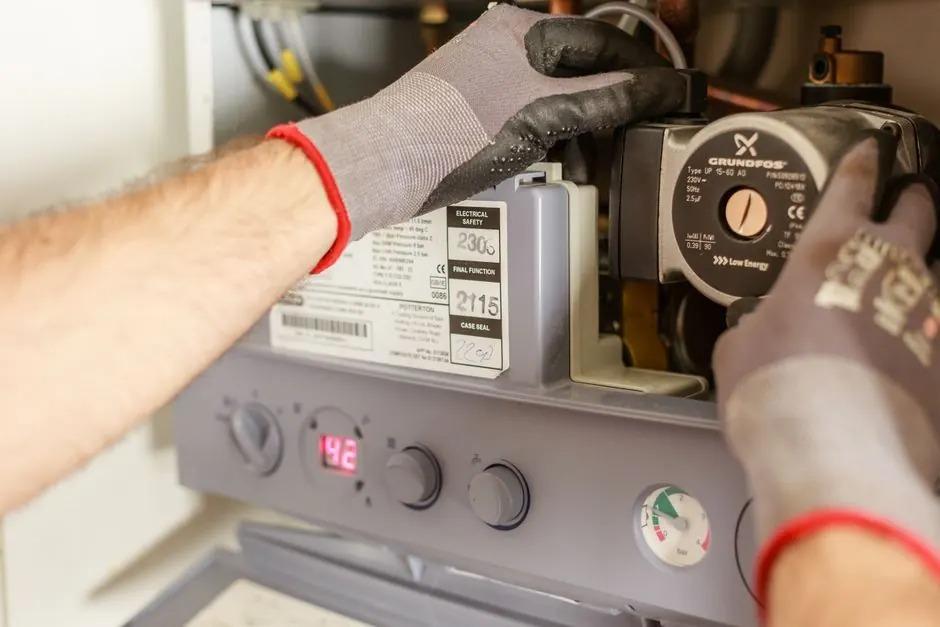
A dependable gas water heater makes everyday life more comfortable by providing hot water for showers, laundry, dishwashing, and household cleaning. Most homeowners expect their system to work without much attention, but gas water heaters contain several components that need to operate together. When a burner, thermostat, pilot light, or gas control develops a problem, the appliance may struggle to heat water or stop working completely.
Recognizing the warning signs early can help you arrange professional Gas Water Heater Repair Puyallup before a small issue becomes a more disruptive breakdown. Understanding how these systems work also makes it easier to know what information to share with a repair technician.
How Does a Gas Water Heater Work?
A traditional gas water heater stores water inside an insulated tank. A gas burner located beneath the tank heats the water, while a thermostat monitors its temperature and signals when additional heating is needed.
The system also includes several safety and control components. These may include a pilot light or electronic ignition system, a gas control valve, a temperature and pressure relief valve, and a venting arrangement that carries combustion gases safely outside.
Each component has a specific purpose. If one stops working correctly, the heater may produce insufficient hot water, operate inconsistently, or shut down for safety reasons.
Unlike electric models, gas water heaters depend on both a fuel supply and proper combustion. This makes professional diagnosis especially important when the appliance develops a fault.
Common Signs Your Gas Water Heater Needs Repair
A gas water heater often provides clues when something is wrong. Paying attention to these changes can help you arrange an inspection before the appliance stops working.
1. The Pilot Light Keeps Going Out
On models that use a standing pilot light, the flame must remain lit to help the burner operate. If the pilot repeatedly goes out, the problem may involve a thermocouple, gas control component, airflow issue, or another fault.
Repeatedly relighting the pilot without identifying the cause will not provide a dependable long-term solution. A technician can inspect the ignition and safety system to determine why the flame is not staying lit.
If you smell gas, do not attempt to relight the appliance. Leave the property, avoid operating electrical switches or using open flames, and contact your gas utility or emergency services from a safe location.
2. Water Is Not Getting Hot Enough
When the water remains cold or only becomes slightly warm, the burner may not be heating the tank properly. Possible causes include a faulty thermostat, ignition problem, gas control issue, or burner malfunction.
The problem may also be related to the household's hot water demand. If several people use hot water close together, the tank may need additional time to recover.
A professional inspection can help distinguish between normal recovery time and a mechanical fault.
3. Hot Water Runs Out Too Quickly
If your gas water heater used to provide enough hot water but now runs out sooner, the system may not be heating the full tank effectively.
Sediment accumulation can interfere with heat transfer and reduce efficiency. A malfunctioning burner or thermostat may also prevent the water from reaching the intended temperature.
A technician can check the tank, burner operation, and temperature controls before recommending a repair.
4. Unusual Sounds During Heating
Popping, rumbling, or banging sounds may develop when mineral deposits settle at the bottom of the tank. Water trapped beneath sediment can produce noise as it heats.
These sounds may become more noticeable as the deposits increase. Sediment can also reduce efficiency and contribute to additional wear.
Professional maintenance can determine whether tank flushing is appropriate and whether other components need attention.
5. Water Leaking Around the Unit
Water near the base of a gas water heater should be investigated. The source might be a loose connection, drain valve, temperature and pressure relief valve, or a damaged tank.
A leaking connection may be repairable, but a tank that has corroded through its body usually requires replacement.
If water is leaking near electrical equipment, avoid the area and do not touch affected components. If the leak is substantial, arrange professional assistance promptly.
Why Gas Water Heater Components Need Professional Attention
Several parts work together to keep a gas water heater operating safely and consistently. Understanding their functions can help explain why accurate diagnosis matters.
Gas burner: The burner produces the heat needed to warm the stored water. Dirt, damage, or combustion problems can affect its performance.
Thermostat: This component monitors water temperature and helps regulate the heating cycle. A faulty thermostat may cause inconsistent temperatures.
Thermocouple or flame sensor: Depending on the model, this component helps detect whether the pilot flame or burner flame is present. A failure may prevent the system from operating.
Gas control valve: This component regulates gas flow and works with the appliance's safety controls. Problems may interrupt heating or prevent ignition.
Vent system: Proper venting allows combustion gases to leave the building safely. Blockages or installation problems require professional attention.
Because these components involve gas, heat, and combustion, homeowners should not attempt internal repairs or adjustments without appropriate qualifications.
What to Do if Your Gas Water Heater Stops Working
A sudden loss of hot water can be frustrating, but safety should always come first.
If the appliance simply stops heating and there are no signs of a gas leak, smoke, or other immediate danger, you can note the symptoms and arrange a professional inspection.
If you smell gas, leave the building immediately. Do not use electrical switches, appliances, phones inside the property, or open flames. Once outside, contact your gas utility or emergency services.
If you notice smoke, fire, or signs of dangerous overheating, stay away from the appliance and seek appropriate emergency assistance.
For a water leak, use the water shutoff valve only if it is safely accessible and there is no electrical or other hazard nearby. Avoid opening the heater's panels or attempting to repair gas connections yourself.
When contacting a technician, explain whether the pilot light is going out, the burner is failing to ignite, the water is cold, or the tank is leaking. Clear information can help the technician prepare for the inspection.
Repair or Replace Your Gas Water Heater?
A gas water heater does not necessarily need replacement every time it develops a problem. Many faults involve individual components that can be repaired when the tank and the rest of the system remain in good condition.
For example, a technician may recommend replacing a faulty thermostat, ignition component, valve, or other repairable part.
Replacement may be more practical when the tank has significant corrosion, water is leaking through its main body, or repeated breakdowns are making repairs expensive.
Consider the following factors before making a decision:
- Age of the appliance: An older water heater may be approaching the end of its expected service life.
- Condition of the tank: Significant corrosion or structural leakage can make replacement necessary.
- Repair frequency: Repeated service calls may indicate declining reliability.
- Operating efficiency: An older system may use more energy than a suitable modern model.
- Household demand: A replacement should provide enough hot water for your family's routine.
A qualified technician can assess the system and explain whether repairing the existing appliance or installing a new one is the better long-term option.
Maintenance Tips for Better Gas Water Heater Performance
Regular maintenance can help reduce unexpected problems and keep the system operating more consistently.
Keep the Area Around the Heater Clear
Avoid storing boxes, paper products, cleaning supplies, or other combustible materials near the appliance. Follow the manufacturer's clearance requirements and keep access to the unit unobstructed.
Watch for Changes in Performance
Notice whether water takes longer to heat, the burner operates differently, or the system produces unusual sounds. Changes that continue over time should be checked.
Pay Attention to Leaks and Corrosion
Inspect visible pipes and connections for moisture, rust, and mineral deposits. These signs may indicate a developing problem.
Arrange Professional Inspections
A qualified technician can assess burner condition, ignition components, venting, safety controls, and other parts. They can also determine whether sediment removal or anode rod inspection is appropriate for your model.
Follow Manufacturer Guidance
Different gas water heaters have different maintenance requirements. Following the manufacturer's instructions helps ensure that servicing is suitable for the appliance.
Choosing a Gas Water Heater Repair Professional in Puyallup
Gas water heaters require knowledge of fuel systems, combustion, ventilation, and temperature controls. When choosing a repair professional, look for someone appropriately qualified to work on gas appliances.
Ask whether the technician has experience with your particular make and model. It is also useful to request an explanation of the problem, a repair estimate, and details about any replacement parts.
A reliable service professional should explain the recommended work clearly and check the appliance's operation after completing the repair. For gas systems, confirming that the unit operates safely is just as important as restoring hot water.
Keep Your Gas Water Heater Working Reliably
A gas water heater provides an important service in your home, but it should never be ignored when warning signs appear. A pilot light that repeatedly goes out, inconsistent water temperatures, unusual tank noises, and visible leaks can all indicate a problem that needs attention.
Professional Gas Water Heater Repair Puyallup can help identify the cause of these issues and determine the right repair or replacement option. With timely servicing, safe operation, and regular maintenance, you can help keep your home's hot water supply dependable throughout the year.
Visit now: https://waterheaterrepairpuyallup.com/gas-water-heater-repair

 English
 Arabic
 French
 Spanish
 Portuguese
 Deutsch
 Turkish
 Dutch
 Russian
 Romaian
 Portuguese (Brazil)
 Greek