


Cloud Kitchen for Rent: A Practical Guide for Food Entrepreneurs
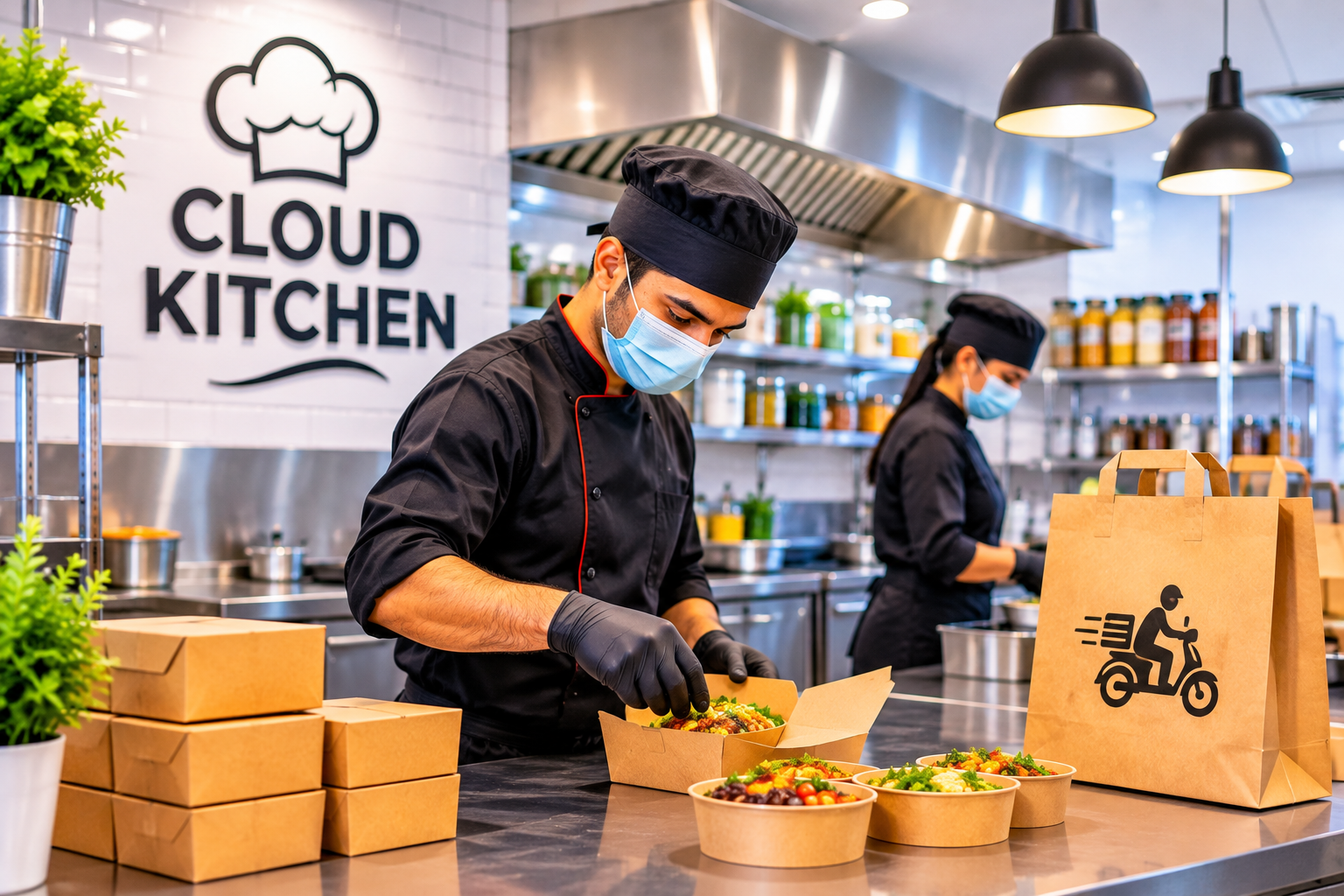
Cloud Kitchen for Rent – A Smart Way to Start a Food Business
Starting a food business requires more than creating a good menu and finding customers. Entrepreneurs also need a suitable kitchen, equipment, storage facilities, and an efficient food preparation setup. Renting a kitchen space can be a practical option for those who want to enter the food industry without investing in a traditional restaurant.
A Cloud Kitchen for Rent provides an opportunity to operate a food business from a dedicated cooking facility without necessarily maintaining a dine-in area. This model is particularly useful for businesses that focus on takeaway and online food delivery.
What Is a Cloud Kitchen?
A cloud kitchen is a food preparation facility designed primarily for preparing meals ordered through online platforms, websites, or direct customer channels.
Unlike traditional restaurants, cloud kitchens generally operate without customer seating. This allows business owners to focus on food preparation, packaging, order management, and delivery operations.
Benefits of Renting a Cloud Kitchen
1. Lower Initial Investment
Setting up an independent kitchen can involve expenses related to property, equipment, interiors, and infrastructure. Renting an existing facility may reduce some of these initial expenses.
2. Ready-to-Use Infrastructure
Depending on the rental arrangement, kitchen spaces may include cooking equipment, preparation counters, storage areas, ventilation, and other essential facilities.
3. Flexible Business Operations
A rented kitchen can help entrepreneurs test new food concepts, introduce different menus, or expand their delivery operations without immediately investing in a complete restaurant.
4. Focus on Food Quality
With suitable kitchen infrastructure in place, business owners can concentrate on recipe development, ingredient quality, order accuracy, and customer satisfaction.
What Should You Check Before Renting?
Choosing the right kitchen is important for smooth business operations. Consider these factors before signing an agreement:
-
Kitchen equipment: Check the availability and condition of cooking appliances and preparation tools.
-
Location: Choose a location with convenient access to your target delivery areas.
-
Hygiene: Ensure the facility follows appropriate cleaning and food safety practices.
-
Storage: Check refrigeration, dry storage, and ingredient management facilities.
-
Ventilation: Proper ventilation is essential for a comfortable working environment.
-
Rental terms: Understand monthly charges, deposits, utility costs, and maintenance responsibilities.
Licences and Legal Requirements
Food businesses in India must comply with applicable regulations. Depending on the business model and location, requirements may include FSSAI registration or licensing, local trade permissions, and other applicable approvals.
Before starting operations, verify the relevant requirements and ensure that the facility's permitted use supports your business activities.
Is a Rented Cloud Kitchen Right for You?
This option may suit home-grown food brands, new entrepreneurs, online food businesses, catering operators, and established restaurants looking to expand delivery operations.
However, profitability depends on several factors, including food pricing, ingredient costs, delivery expenses, customer demand, and operational efficiency.
Conclusion
Renting a kitchen can be a convenient way to enter the food delivery industry without building an entire restaurant from scratch. Before choosing a facility, compare its infrastructure, location, hygiene standards, rental conditions, and legal suitability. The right setup can provide a practical foundation for developing and growing a food business.
FAQs
1. What is included in a cloud kitchen rental?
Depending on the agreement, rentals may include cooking equipment, preparation areas, storage, refrigeration, utilities, and shared facilities.
2. Can beginners rent a cloud kitchen?
Yes. Cloud kitchens can be suitable for beginners who want to start a food business with a more structured kitchen setup.
3. Do I need an FSSAI licence for a cloud kitchen?
Food businesses in India generally require applicable FSSAI registration or licensing. The appropriate category depends on the business and its operations.
4. Is renting a cloud kitchen cheaper than opening a restaurant?
It can reduce certain expenses because a cloud kitchen usually does not require a customer dining area. However, actual costs depend on rent, equipment, utilities, and operating requirements.

 Arabic
 French
 Spanish
 Portuguese
 Deutsch
 Turkish
 Dutch
 Italiano
 Russian
 Romaian
 Portuguese (Brazil)
 Greek