


Carpet Runner in Kitchen: How to Choose the Perfect Runner
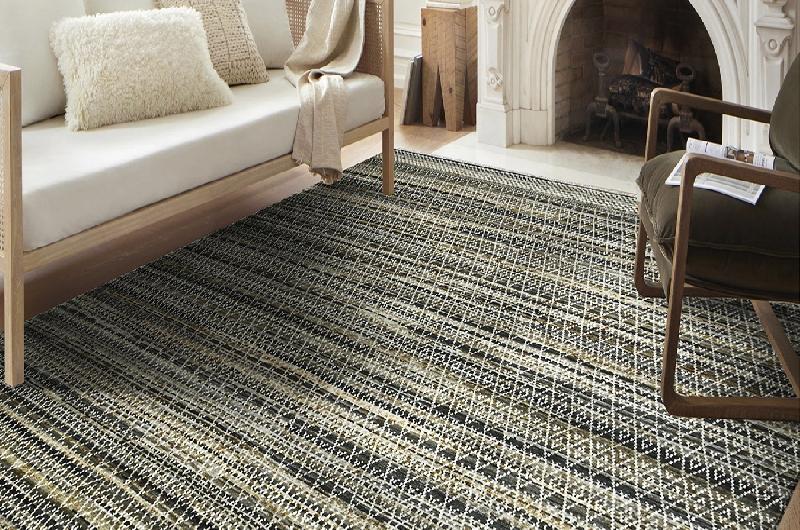
Walk into almost any modern kitchen during dinner prep, and you will quickly see why bare floors rarely stay pristine for long. Between sizzling olive oil, splashing sink water, dropped utensils, and endless foot traffic between the stove and refrigerator, the kitchen floor endures more daily punishment than any other surface in the house. Placing a thoughtfully chosen carpet runner in kitchen walkways instantly transforms this cold, unforgiving workspace into an inviting, comfortable, and visually anchored hub of the home. Yet, selecting the right piece requires far more strategy than simply picking a pretty pattern off a shelf. In this comprehensive guide, we will walk through everything you need to know about materials, sizing, safety features, and design coordination so you can find a runner that survives busy kitchen life while elevating your entire interior
Why a Kitchen Runner Is More Than Just Decoration
At first glance, laying down a textile in a room famous for spills and crumbs might seem counterintuitive. However, designers and experienced home cooks rely on kitchen runners because they solve several practical and aesthetic problems simultaneously. Hard flooring surfaces like porcelain tile, natural stone, and sealed hardwood offer zero shock absorption, which quickly leads to tired feet, aching knees, and lower back fatigue during long cooking sessions. A cushioned, supportive runner acts as an ergonomic buffer right where you stand the most, making meal preparation and dishwashing noticeably more comfortable.
Beyond physical comfort, runners serve as vital acoustic and protective shields. Kitchens are full of hard, reflective surfaces that bounce sound around, creating an echo chamber whenever pots clang or appliances hum. Adding a dense woven textile absorbs ambient noise and softens the room's atmosphere. At the same time, it protects expensive hardwood planks from water warping near the sink and shields delicate tile grout from staining grease splatters and dropped cookware.
Essential Features to Look for in a Kitchen Runner
Not every floor covering is built to survive the high-moisture, high-traffic realities of a culinary workspace. Focusing on a few critical structural features will save you from replacing a ruined mat six months down the road.
Durable, Easy-to-Clean Materials
The fiber composition of your runner dictates both its lifespan and how much stress you feel every time someone drops a spoonful of marinara sauce. Natural fibers like cotton flatweaves offer wonderful breathability and a relaxed, coastal charm, while advanced synthetic blends like recycled polyester and polypropylene provide unmatched stain resistance. Many modern homeowners gravitate toward washable kitchen rugs because they eliminate the dread of permanent food stains altogether. Instead of scrubbing on your hands and knees with harsh chemical spotters, you can simply pick up a soiled runner, toss it into your residential washing machine, and have it looking spotless by the next morning.
Pile Height and Door Clearance
Thickness matters immensely in a room lined with lower cabinets, dishwashers, and swing doors. Thick, plush shag or high-pile weaves trap crumbs deep beneath the surface, making vacuuming frustrating and catching on cabinet doors every time you open them. Opting for a slim construction—similar to a low pile height hallway runner rug—ensures that appliance doors glide smoothly over the fabric without bunching or snagging. A tight, flat weave also prevents rolling kitchen carts from getting stuck and eliminates tripping hazards when you are carrying hot pots across the room.
Reliable Non-Slip Backing
Safety should never take a back seat to style in a room where boiling water and sharp knives are part of the daily routine. A runner that slides out from under your feet on slick tile is an accident waiting to happen. Look for options engineered with an integrated thermoplastic rubber backing that grips hard floors securely right out of the box, or pair a traditional woven piece with a heavy-duty, cut-to-size non-slip rug pad. Keeping the edges flat and the center firmly anchored gives you total confidence while moving quickly around your kitchen island.
Sizing and Placement Rules for Every Kitchen Layout
Even the highest-quality textile will look awkward if its proportions clash with your cabinetry and walkways. Measuring your open floor space carefully before shopping guarantees a tailored, custom-installed appearance.
Galley Kitchens and Island Walkways
In narrow galley kitchens or the corridor between a central island and perimeter counters, your runner should follow the architectural lines of the room. Leave roughly four to six inches of bare flooring visible on all sides of the runner so the floor frames the textile neatly rather than making the space feel cramped. Most standard island walkways look best with a runner measuring two-and-a-half to three feet wide, with a length that spans roughly seventy-five to eighty percent of the counter run.
Sink and Stove Zones
If your kitchen features an L-shaped or U-shaped layout without a central island, targeted placement works best. Position a shorter runner directly in front of the primary prep zone spanning your sink and dishwasher, where water splashes are most frequent. If your range sits on an adjacent wall, you can either place a matching compact accent mat in front of the stove or leave a clean visual break so the two pieces do not overlap awkwardly at the corner.
Weighing Artisan Craftsmanship Against Everyday Practicality
Choosing the right kitchen textile often comes down to balancing emotional appeal with realistic maintenance habits. On one end of the spectrum, collectors and traditionalists adore the soulful character of premium handmade runner rugs, which showcase subtle variations in weave, rich organic textures, and unmistakable artisanal heritage. Similarly, antique hand knotted persian rugs bring extraordinary warmth, complex botanical motifs, and generational durability to historic or eclectic kitchens, naturally disguising minor everyday dust thanks to their intricate patterns and dense wool fibers.
On the other end of the spectrum, households with toddlers, messy pets, or heavy daily cooking routines often prefer the worry-free resilience of modern performance textiles. You do not necessarily have to sacrifice beauty for convenience, as today's top manufacturers print and weave heritage-inspired medallions onto stain-repellent, machine-washable bases. Whether you invest in an authentic heirloom wool piece that ages gracefully with patina or choose a contemporary easy-care design, matching the rug's maintenance demands to your actual lifestyle is the secret to long-term satisfaction.
Coordinating Your Kitchen Runner with Open-Concept Spaces
Because modern homes rarely wall off the kitchen from neighboring rooms, your runner plays a major role in tying the entire main floor together. When your culinary zone opens directly into an eating area, pairing your rectangular kitchen runner with Circle Rugs for Dining Room tables creates a dynamic geometric contrast that softens all the sharp right angles of your cabinetry. Pulling one or two subtle accent shades from your kitchen textile into the dining room seating anchors both spaces in a shared color story without looking overly matchy.
This cohesive design philosophy can easily extend even further across your home's floor plan. If your kitchen sightlines reach into a main lounge, applying the same practical standards used when selecting the best machine washable rugs for living room layouts ensures that high-traffic zones share a unified level of comfort and durability. Even when borrowing interior decorating ideas for home office nooks tucked just off the kitchen, repeating warm earthy tones, subtle geometric borders, or complementary flatweave textures creates a seamless, thoughtfully curated flow from room to room.
Future Trends in Kitchen Textiles and Home Design
As homeowners spend more time cooking, entertaining, and gathering in the kitchen, the demand for smarter, greener flooring textiles continues to accelerate. Manufacturers are increasingly turning to closed-loop production methods, transforming recycled plastic bottles and reclaimed cotton into ultra-soft, spill-proof yarns that mimic natural wool without the delicate upkeep. Furthermore, non-toxic, PFAS-free water-repellent treatments are rapidly replacing older chemical coatings, giving families peace of mind that their indoor air quality remains healthy while their floors stay protected from everyday culinary messes.
Frequently Asked Questions
How do I keep a low pile height hallway runner rug or kitchen runner from sliding on slick floors?
Whether you are styling a low pile height hallway runner rug or placing a narrow mat beside your stove, the most reliable way to prevent slipping is choosing a piece with an integrated thermoplastic rubber or silicone backing. If you prefer traditional woven textiles or premium handmade runner rugs that lack a built-in grip, placing a thin natural rubber rug pad trimmed slightly smaller than the perimeter underneath will lock the edges completely flat against tile or hardwood.
Are washable kitchen rugs durable enough to match the longevity of traditional woven pieces?
High-quality washable kitchen rugs are constructed with flexible synthetic yarns and reinforced edge binding specifically to endure dozens of cycles in a standard residential washing machine. Just like the best machine washable rugs for living room spaces, these culinary runners hold up remarkably well to weekly maintenance when washed in cold water on a gentle cycle and air-dried or tumble-dried on low heat.
What is the ideal width for a runner between a kitchen island and perimeter cabinets?
A width of two-and-a-half feet to three feet works best for standard forty-two-inch to forty-eight-inch kitchen walkways. This proportion leaves an even border of bare flooring along the toe-kicks of both the island and the perimeter cabinets, ensuring lower cabinet doors open smoothly while visually anchoring your runner rugs for narrow hallways corridors.
Can I place antique hand knotted persian rugs in a high-traffic kitchen?
Many design enthusiasts love using antique hand knotted persian rugs in the kitchen because dense natural wool contains protective lanolin oils that repel minor water splashes and disguise everyday crumbs within intricate patterns. However, because heirloom wool pieces cannot be tossed into a home washer and require professional care if heavy cooking oil spills occur, they are best suited for low-mess kitchens or households committed to gentle spot maintenance.
How can I coordinate my kitchen runner with adjacent open-concept rooms?
Creating flow across an open floor plan comes down to repeating complementary textures and subtle accent colors rather than buying identical matching sets. You can easily balance a rectangular kitchen runner by placing Circle Rugs for Dining Room seating areas nearby to soften sharp cabinetry angles, and carry those same warm earthy tones into adjacent spaces using cohesive interior decorating ideas for home office corners and family lounges.
Conclusion
Selecting the ideal indoor runner rugs rugs in hallways workspaces comes down to finding the sweet spot between ergonomic comfort, slip-resistant safety, and effortless care. By paying close attention to low-pile construction, durable stain-resistant fibers, and balanced proportions that frame your cabinetry cleanly, you can turn a high-traffic cooking zone into one of the warmest, most welcoming areas of your home. Measure your walkways carefully, choose a material that matches your household's daily cooking habits, and explore runner styles that harmonize effortlessly with your adjacent living and dining spaces.

 English
 Arabic
 French
 Spanish
 Portuguese
 Deutsch
 Turkish
 Dutch
 Italiano
 Russian
 Romaian
 Portuguese (Brazil)