


Your First Foot and Ankle Consultation: What to Expect in Cheltenham or Bristol
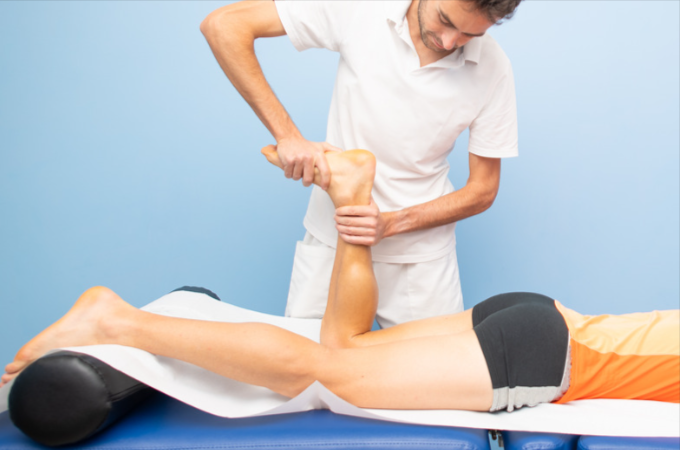
Finding an Orthopaedic Foot Specialist in Cheltenham is easier when you know what you're looking for and what the first appointment will involve. Many people put off booking because they're unsure what happens, whether they'll be pushed towards surgery, or whether their problem is "bad enough". Those worries are understandable, and most of them dissolve once you know how a good consultation works.
This guide is for people in Gloucestershire, Bristol and the surrounding areas who are thinking about seeing a foot and ankle consultant. It explains how to choose, how to prepare, what the visit involves and which questions help you leave with a clear plan. Details about clinic locations and booking come from Mr Pavel Akimau's website, and the rest is general guidance.
Foot Problem or Ankle Problem?
Foot and ankle specialists treat conditions from the toes to the lower leg. Knowing which area your symptoms come from helps you describe them clearly.
| Area | Examples of problems | Typical symptoms |
|---|---|---|
| Forefoot and toes | Bunions, big toe arthritis, hammer toes, forefoot pain | Pain in shoes, a visible bump or bent toe, stiffness |
| Heel and arch | Plantar fasciitis, heel pain, flat or high-arched feet | Pain with first steps, aching arch, fatigue |
| Achilles | Tendon pain, degeneration, rupture | Stiffness, thickening, sudden pop and weakness |
| Ankle | Arthritis, instability, ligament injury, sports injuries | Swelling, giving way, aching, reduced movement |
If your pain spans more than one area, that's common, and it's part of why a specialist looks at the whole foot and ankle, not just the sore spot.
How to Choose a Specialist
Credentials and approach both matter. Here's a practical checklist you can apply to any consultant.
| Check | What to look for |
|---|---|
| Registration | Listed with the General Medical Council, with a specialist qualification in trauma and orthopaedics |
| Foot and ankle focus | A practice concentrated on foot and ankle conditions, rather than all joints |
| Professional membership | Membership of a relevant society, such as the British Orthopaedic Foot and Ankle Society |
| Approach | Willingness to discuss non-surgical options first, and to say when surgery isn't needed |
| Communication | Clear explanations, time for questions, no pressure to decide on the day |
| Facilities | Established private hospital with imaging and follow-up care |
| Transparency | Clear information about fees, insurance and what's included |
Mr Akimau's website lists him as a consultant trauma and orthopaedic surgeon with a foot and ankle focus, and describes an approach in which conservative treatments are explored first, with surgery recommended only when it's likely to give meaningful benefit. That's the kind of stance worth looking for in any specialist.
Where Appointments Take Place
According to his site, Mr Akimau consults privately at several locations.
| Location | Hospital | Booking route listed on the site |
|---|---|---|
| Cheltenham | Nuffield Health Cheltenham Hospital, Hatherley Lane, Cheltenham GL51 6SY | Through his Nuffield Health consultant page |
| Bristol | North Bristol Private Hospital, 150 Aztec West, Bristol BS32 4UB | Through the contact page |
| Staffordshire | Nuffield Health North Staffordshire Hospital, Clayton Road, Newcastle-under-Lyme ST5 4DB | Through his Nuffield Health consultant page |
Check the website for current details before you travel, since clinic days and booking routes can change.
Do You Need a Referral?
For private consultations, the Cheltenham page states that a GP referral isn't required and you can book directly. However, if you're using private medical insurance, or being referred through the NHS, your provider may ask for a referral letter. The site lists major insurers on its pages, including Bupa, AXA, Aviva, Cigna, WPA, Allianz and Healix. Always check with your own insurer before booking, as cover depends on your policy.
| Situation | What to do |
|---|---|
| Self-funding | Contact the clinic directly to book |
| Private medical insurance | Call your insurer first, ask about authorisation and referral requirements |
| NHS pathway | Speak to your GP, who can advise on referral options |
| Unsure | Ask the clinic team, who can explain what's needed |
Looking for an Ankle Specialist
Many people need someone who focuses on ankle problems specifically. If you're searching for an Orthopaedic ankle Specialist in Cheltenham, the questions you ask will differ a little from those for a bunion or heel problem, because ankle conditions are often about stability, joint wear and previous injury.
Common ankle concerns include:
- Instability: the ankle gives way, especially on uneven ground, often after earlier sprains.
- Arthritis: aching, stiffness and swelling that worsens with activity, sometimes after an old injury.
- Persistent pain after injury: discomfort that hasn't settled months after a sprain or fracture.
- Sports injuries: pain or swelling that limits training.
Mr Akimau's Cheltenham page says management of ankle arthritis depends on severity, activity level and long-term goals, with options ranging from joint-preserving strategies and pain-relief approaches to surgery for advanced disease, including ankle replacement in selected cases. A good consultation should explain how those options apply to your ankle, what you might gain and what you might lose.
And in Bristol
People based in the Bristol area often look for an Orthopaedic ankle Specialist in bristol because they'd rather not travel far for a first assessment. A few practical tips apply wherever you're seen:
| Tip | Why it helps |
|---|---|
| Book a time that lets you arrive unhurried | Reduces stress and lets you focus on the conversation |
| Plan parking and transport in advance | Hospital sites can be large |
| Wear loose clothing that's easy to roll up | The doctor will examine your lower leg |
| Bring someone if you'd like support | A second person can help remember advice |
| Ask whether imaging can be done on the same day | Saves a second trip, where available |
How to Prepare
A little preparation turns a short appointment into a productive one.
| Bring or prepare | Why it helps |
|---|---|
| A timeline of symptoms | When it started, how it changed, what made it better or worse |
| Details of past injuries or operations | Often relevant to current problems |
| List of treatments tried | Insoles, physiotherapy, injections, medicines |
| Current medicines and medical conditions | Diabetes, circulation problems, blood thinners and allergies matter |
| Previous scans, X-rays or reports | Allows comparison and avoids repeat imaging |
| Everyday shoes, and sports shoes if relevant | Shows wear patterns and fit |
| Insurance details or authorisation code | Smooths the process |
| Your goals | Walking, sport, work, particular footwear |
Writing down your goals helps more than people expect. "I want to walk the dog without pain" and "I want to return to football" lead to different plans.
What Happens During the Consultation
The Cheltenham page describes a structured journey. In practice, most consultations include the following stages.
| Stage | What to expect |
|---|---|
| 1. History | Questions about your symptoms, how long you've had them, how they affect daily life and what you've tried |
| 2. Examination | The doctor looks at both feet and ankles, checks movement, alignment, strength and tender areas, and may watch you walk |
| 3. Imaging review | X-rays, ultrasound or MRI are reviewed, and new imaging is requested only if clinically needed |
| 4. Diagnosis | An explanation of what is likely causing your symptoms |
| 5. Options | Non-surgical and, where appropriate, surgical options, with benefits, risks and recovery |
| 6. Plan | A clear next step, which may simply be a trial of conservative care |
The site stresses that surgery isn't necessarily recommended at the first visit, and that you don't need to decide on treatment before attending.
Questions Worth Asking
Good consultations are conversations. Consider asking:
- What do you think is causing my symptoms, and how sure are you?
- Do I need more tests, and what will they tell us?
- What can I do without surgery, and how long should I try it?
- If surgery is an option, why might it suit me, and what are the alternatives?
- What are the main risks, and how often do they occur?
- What will recovery involve, including time off work, driving and exercise?
- What happens if I decide to wait?
- What follow-up is included?
- What are the costs, and what do they cover?
Understanding Treatment Options in Principle
Specialist care isn't a single track. It generally follows a sensible order.
| Option | Examples | When it's typically considered |
|---|---|---|
| Advice and self-management | Activity changes, footwear, supports | Early or mild problems |
| Rehabilitation | Guided exercise and loading programmes | Tendon, ligament and some joint problems |
| Targeted non-surgical treatments | Injections or shockwave in selected conditions | When basic measures aren't enough |
| Minimally invasive surgery | Smaller incisions for suitable forefoot and other problems | When surgery is appropriate and the technique is suitable |
| Open or complex surgery | Larger reconstructions or joint procedures | Advanced or complicated cases |
The site mentions that minimally invasive techniques are considered where appropriate, but also that suitability is individual and not right for every condition.
After the Appointment
Before you leave, check that you understand the diagnosis, the plan and the timing of any follow-up. Ask for written information if it isn't offered. If you've been advised to try conservative treatment, set a date for review so you aren't left guessing whether it's working. If surgery is discussed, take time to think, ask for a second opinion if you wish and don't feel pressured to decide on the day.
Red Flags: Don't Wait for an Appointment
Seek urgent medical attention, through A&E or urgent care, if you have:
- Severe pain after an injury or inability to put weight on the foot.
- A sudden pop at the back of the ankle with weakness.
- A hot, red, swollen foot or toe, particularly with fever.
- A wound that isn't healing, especially with diabetes.
- Numbness, colour change or coldness in the foot.
- Calf pain with swelling, warmth or redness.
Final Thoughts
Seeing a foot and ankle specialist shouldn't feel intimidating. A good consultation listens to your story, examines you carefully, explains your options honestly and leaves the decision with you. Choose someone with relevant training and a foot and ankle focus, prepare a short list of symptoms and goals, and ask the questions that matter to you.
To arrange an appointment, use the contact page, call 07934539252 or email help@pavelakimau.com. You can also read about care in Staffordshire.
This article is for general information only and isn't a substitute for personal medical advice, diagnosis or treatment.
Frequently Asked Questions
1. Do I need a GP referral for a private appointment in Cheltenham?
The clinic's website says no referral is needed for private consultations, but insurers or NHS pathways may require a letter. Check with your provider.
2. Will I be told I need surgery at the first appointment?
Not necessarily. The site says non-surgical options are discussed first where appropriate, and surgery is recommended only when it is likely to help.
3. What ankle problems can be assessed?
Examples include ankle arthritis, instability, persistent pain after injury and sports injuries. A specialist can explain which apply to you.
4. Will I need a scan?
Only if it's clinically necessary. Existing scans can be reviewed, and new imaging is arranged when needed.
5. Is follow-up included?
The site describes follow-up appointments as part of care. Ask what's included in your specific plan.
6. Can I book if I'm unsure about treatment?
Yes. A consultation is for clarity and guidance, and you don't need to decide on treatment beforehand.
7. Where are the clinics?
Mr Akimau consults privately at Nuffield Health Cheltenham Hospital, North Bristol Private Hospital and Nuffield Health North Staffordshire Hospital.

 Arabic
 French
 Spanish
 Portuguese
 Deutsch
 Turkish
 Dutch
 Italiano
 Russian
 Romaian
 Portuguese (Brazil)
 Greek