


How Modern Vehicle Security Changed Roadside Key Rescue
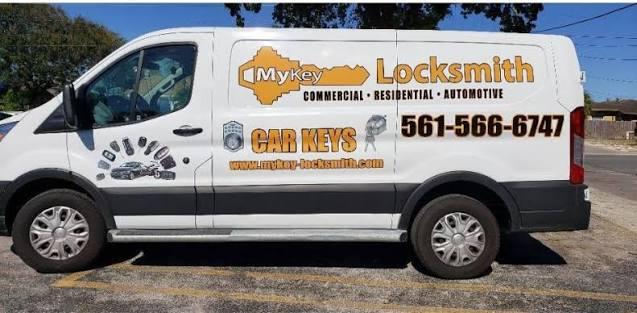
A few decades ago, getting locked out of a car meant sliding a slim metal strip down the window weatherstripping, popping up a manual lock rod, and driving away within seconds. Today, trying that same trick on a modern sedan or SUV can shred side-curtain airbags, snap delicate power window regulators, and trigger an engine immobilizer that refuses to start. Vehicle security has evolved from simple mechanical tumblers into rolling networks of encrypted microchips, proximity sensors, and onboard computers. Navigating that complexity requires the specialized tools and training of an automotive locksmith.
Whether you accidentally left your keys sitting on the driver's seat at a gas station or lost your only smart fob during a weekend hike, modern car key issues demand far more than basic lock-picking skills. Understanding how today's vehicle entry and ignition systems work—and how a dedicated car key specialist solves problems right in the parking lot—can save you from costly dealership towing bills and days without transportation.
Common Car Lock and Ignition Problems Solved on the Spot
Drivers rarely think about their key fobs or ignition cylinders until something stops responding. Because vehicle hardware takes constant daily abuse from heavy keychains, pocket lint, extreme temperatures, and moisture, failures often happen without much warning. A well-equipped automotive locksmith handles a wide range of mechanical and electronic issues directly at your vehicle's location:
-
Non-Destructive Car Door and Trunk Unlocking: Technicians use specialized air wedges and precision reach tools designed specifically for modern vehicle door frames. Instead of prying metal against paint, they create a gentle, controlled gap to press the interior unlock switch or pull the handle cleanly without leaving a scratch.
-
Transponder Key Cutting and Onboard Programming: Most cars built over the past twenty-five years contain a tiny radio-frequency chip inside the plastic key head. Even if a hardware store cuts a metal blade that turns in the door, the engine will not crank unless the vehicle's computer recognizes that chip's unique digital signature. Mobile auto specialists connect diagnostic programmers directly to your car's OBD-II port to pair new keys on site.
-
Smart Proximity Fob and Push-to-Start Replacement: Keyless entry fobs communicate continuously with antennas hidden inside your vehicle's cabin. When a fob gets crushed, water-damaged, or lost entirely, a technician can erase the missing fob from your car's memory—preventing anyone who finds it from stealing the vehicle—and sync a brand-new replacement fob right away.
-
Stuck or Worn Ignition Cylinder Repair: Over years of driving, the brass wafers inside an ignition lock wear down, causing the key to stick, refuse to turn, or jam completely. Rather than replacing the entire steering column, an auto specialist can rebuild the ignition cylinder or replace the worn wafers so your existing key turns smoothly again.
Why Calling a Specialist Beats Towing to the Dealership
When drivers lose all keys to a newer vehicle, their first instinct is often to call a tow truck and have the car hauled to a dealership service department. While dealerships certainly have access to factory parts, that route comes with steep hidden costs and frustrating delays.
First, you pay out of pocket just to move an immobilized car onto a flatbed truck. Once the vehicle arrives at the service bay, you are placed in a repair queue that can stretch anywhere from two days to a full week if the specific key fob has to be ordered from a regional warehouse. By contrast, an automotive locksmith brings the key blanks, laser-cutting machines, and diagnostic software straight to where your car is parked. In most cases, you go from stranded to driving away in under an hour, often for noticeably less than the combined cost of towing and dealership programming fees.
What to Keep Handy Before You Call for Help
When you are standing beside a locked vehicle, sharing a few accurate details over the phone helps the technician arrive with the exact parts and software needed for your specific car. Before dialing, take a moment to gather three quick pieces of information:
-
Exact Year, Make, and Model: Security systems change frequently between model years. A mid-year redesign can switch a vehicle from a standard transponder blade to a high-security laser-cut key or proximity fob.
-
Your Vehicle Identification Number: Found on the lower corner of your windshield on the driver's side or on your insurance card, the seventeen-character VIN allows a specialist to look up exact key codes and immobilizer specifications before arriving.
-
Proof of Ownership: Reputable specialists will always verify your driver's license alongside your vehicle registration or title before unlocking a door or programming a new key. Keeping a digital copy of your insurance and registration on your phone makes verification effortless even when your physical wallet is locked inside the glovebox.
Simple Habits to Protect Your Car Keys and Fobs
Taking care of your vehicle keys reduces the odds of an unexpected breakdown on a busy morning. Avoid hanging heavy house keys, bottle openers, and bulky trinkets from your car keychain; that extra weight pulls downward every time you hit a bump, slowly wearing out the internal wafers of your ignition cylinder. Replace weak key fob batteries at the first sign of reduced unlocking range, and keep your spare key stored safely at home in a dry drawer rather than hidden in a magnetic box under the bumper, where road grime and bumps easily knock it loose. A little preventative care—paired with the contact number of a trusted automotive locksmith saved in your phone—keeps every drive predictable and stress-free.

 English
 Arabic
 French
 Spanish
 Deutsch
 Turkish
 Dutch
 Italiano
 Russian
 Romaian
 Portuguese (Brazil)
 Greek