


Common Challenges Patients Face During Recovery From Head and Neck Cancer
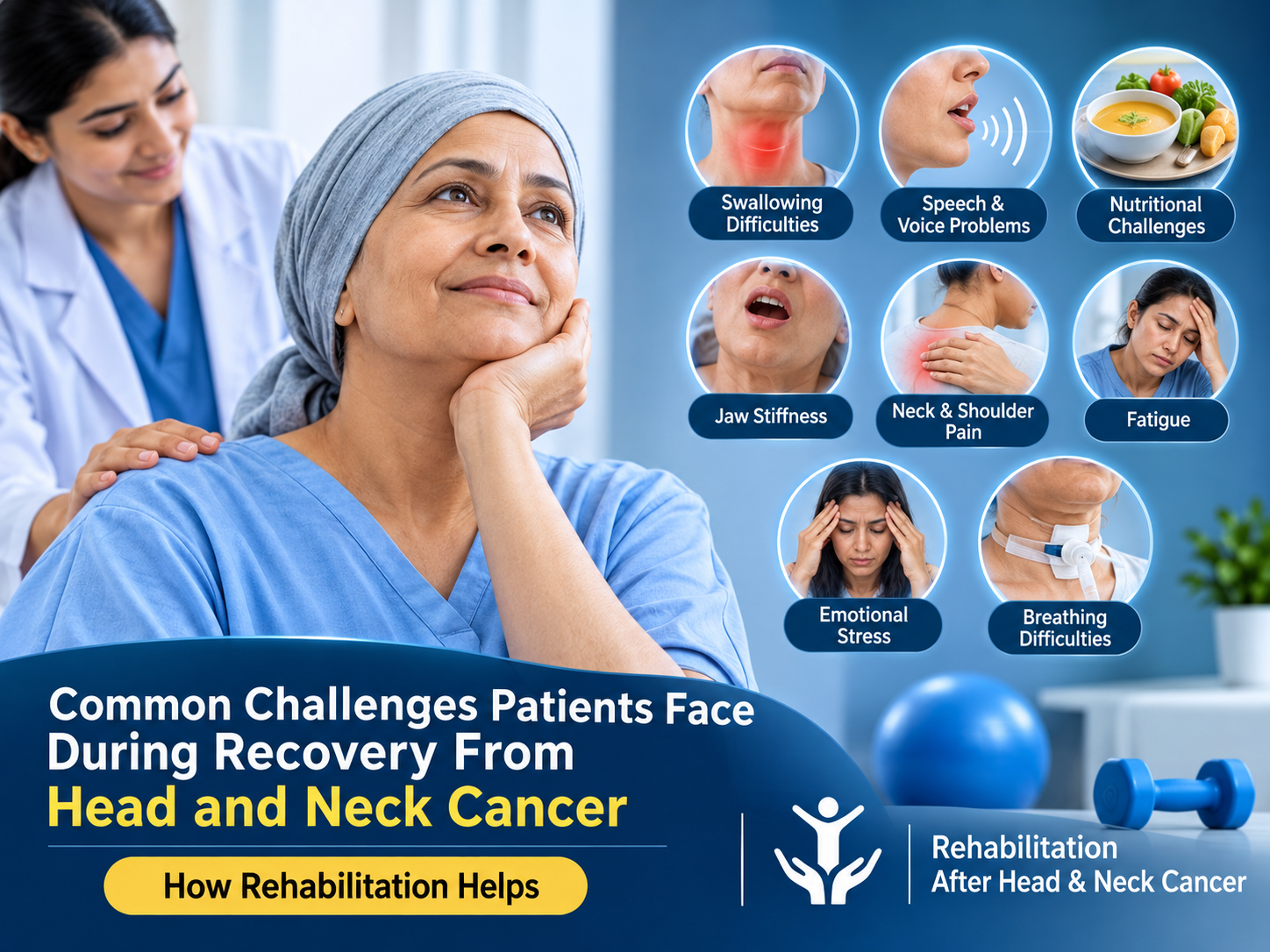
Recovering from head and neck cancer is a gradual process that involves more than treating the disease. Patients may experience physical, emotional, nutritional, and functional difficulties during recovery, particularly after surgery, radiation therapy, or chemotherapy. These challenges can affect everyday activities such as eating, speaking, swallowing, breathing, and maintaining personal hygiene.
Although cancer treatment aims to control or eliminate cancer, some side effects may continue even after treatment has finished. This is why Rehabilitation After Head & Neck Cancer plays an important role in helping patients regain essential functions, manage treatment-related complications, and improve their quality of life.
1. Difficulty Swallowing Food and Liquids
Swallowing difficulties, medically known as dysphagia, are among the common challenges experienced by patients after head and neck cancer treatment. Surgery, radiation therapy, and chemotherapy can affect the muscles, nerves, and tissues responsible for swallowing.
Patients may experience pain while swallowing, a sensation of food getting stuck in the throat, coughing during meals, or difficulty swallowing liquids. These problems can make eating uncomfortable and increase the risk of food or liquids entering the airway.
Swallowing difficulties may also lead to dehydration, inadequate nutrition, and unintended weight loss.
How rehabilitation helps:
-
Swallowing exercises can help improve muscle coordination and strength.
-
Speech and swallowing therapists can assess swallowing difficulties.
2. Speech and Voice Problems
Head and neck cancer can affect different structures involved in speech production, including the tongue, lips, throat, vocal cords, and jaw. Surgical procedures may remove or alter some of these structures, while radiation therapy can cause swelling, dryness, and tissue stiffness.
As a result, patients may experience unclear speech, difficulty pronouncing certain words, changes in voice quality, or reduced vocal strength. Some patients who undergo extensive surgery may also require alternative communication methods.
3. Nutritional Problems and Unintended Weight Loss
Maintaining proper nutrition can become difficult during and after head and neck cancer treatment. Mouth sores, dry mouth, altered taste, swallowing difficulties, and pain can reduce a patient's appetite and ability to consume regular meals.
Some patients find that previously enjoyable foods taste different or become difficult to tolerate. Others may avoid eating because they are worried about pain or choking.
-
Small, frequent meals instead of large portions.
-
Nutritional supplements when medically appropriate.
-
Adequate hydration and personalised dietary planning.
Patients with significant swallowing difficulties should receive an individual swallowing assessment before changing food textures or liquid consistency.
4. Dry Mouth, Mouth Sores, and Changes in Taste
Radiation therapy and certain chemotherapy treatments can affect the salivary glands and the tissues inside the mouth. Consequently, patients may experience dry mouth, mouth ulcers, thick saliva, and changes in their sense of taste.
Dry mouth, also known as xerostomia, can make speaking, chewing, and swallowing more difficult. Some patients may find that food tastes bitter, metallic, or completely different from before treatment.
-
Dietary adjustments can help patients manage changes in taste.
-
Appropriate mouth-care products may help reduce irritation.
Patients should discuss persistent mouth sores, bleeding, or severe dryness with their treating doctor or dentist.
5. Jaw Stiffness and Difficulty Opening the Mouth
Another common challenge during recovery is difficulty opening the mouth fully. This condition is known as trismus and may develop following radiation therapy, surgery, or scarring of the tissues around the jaw.
-
Specialised jaw-mobility devices when appropriate.
-
Regular monitoring of jaw movement and progress.
Early attention to jaw stiffness can help prevent further functional limitations.
6. Neck Pain, Shoulder Stiffness, and Reduced Mobility
Surgery involving the neck and lymph nodes can sometimes affect nearby muscles and nerves. Radiation therapy may also cause tissue stiffness, scarring, and reduced flexibility.
As a result, patients may experience neck pain, shoulder weakness, stiffness, and difficulty moving their head or arms. These problems can interfere with everyday activities such as dressing, driving, lifting objects, and maintaining proper posture.
-
Specialised lymphedema management.
-
Manual therapy when clinically appropriate.
A qualified physiotherapist or rehabilitation specialist can develop an exercise programme according to the patient's surgical history and physical condition.
7. Persistent Fatigue and Reduced Physical Strength
Cancer-related fatigue is another significant challenge that patients may experience after completing treatment. Unlike ordinary tiredness, cancer-related fatigue may continue even after adequate rest or sleep.
-
Personalised physiotherapy programmes.
Patients should not begin strenuous exercise without consulting their healthcare team. Physical activity should be adjusted according to recovery progress and medical advice.
8. Emotional Stress and Changes in Self-Confidence
Recovering from head and neck cancer can be emotionally challenging. Changes in physical appearance, speech difficulties, swallowing problems, and dependence on family members may affect a patient's confidence and emotional well-being.
Some patients experience anxiety about cancer recurrence, depression, social isolation, or difficulty adjusting to life after treatment.
Visible surgical scars, changes in facial appearance, and communication difficulties may also make patients uncomfortable in social situations.
Why Is Rehabilitation After Head and Neck Cancer Important?
Cancer treatment addresses the disease, but recovery also requires attention to the physical and functional problems that may continue afterwards.
Rehabilitation After Head & Neck Cancer focuses on helping patients manage treatment-related complications and improve their ability to perform everyday activities.
A comprehensive rehabilitation programme may involve several healthcare professionals, including:
-
Head and neck cancer specialists: Monitor recovery and manage treatment-related complications.
-
Speech and swallowing therapists: Help improve communication, voice, and swallowing abilities.
-
Physiotherapists: Address muscle weakness, neck stiffness, shoulder problems, and reduced mobility.
When Should Patients Start Rehabilitation?
Rehabilitation should not necessarily wait until all cancer treatment has been completed. Depending on the patient's condition, some assessments and preventive exercises can begin before or during treatment.
After treatment, regular evaluations help identify persistent difficulties and determine which rehabilitation approaches are appropriate.
Conclusion
Recovery from head and neck cancer involves several challenges that can affect physical health, communication, nutrition, emotional well-being, and everyday activities. Difficulties such as swallowing problems, speech changes, dry mouth, jaw stiffness, shoulder weakness, and persistent fatigue may continue even after treatment has finished.
However, appropriate rehabilitation and supportive care can help patients manage these difficulties and work towards regaining their independence.
Original Source: https://searchmypro.com/articles/common-challenges-patients-face-during-recovery-from-head-and-neck-cancer

 English
 Arabic
 French
 Portuguese
 Deutsch
 Turkish
 Dutch
 Italiano
 Russian
 Romaian
 Portuguese (Brazil)
 Greek