


Why Does Your House Smell Like Sewage Even When the Drains Are Clear?
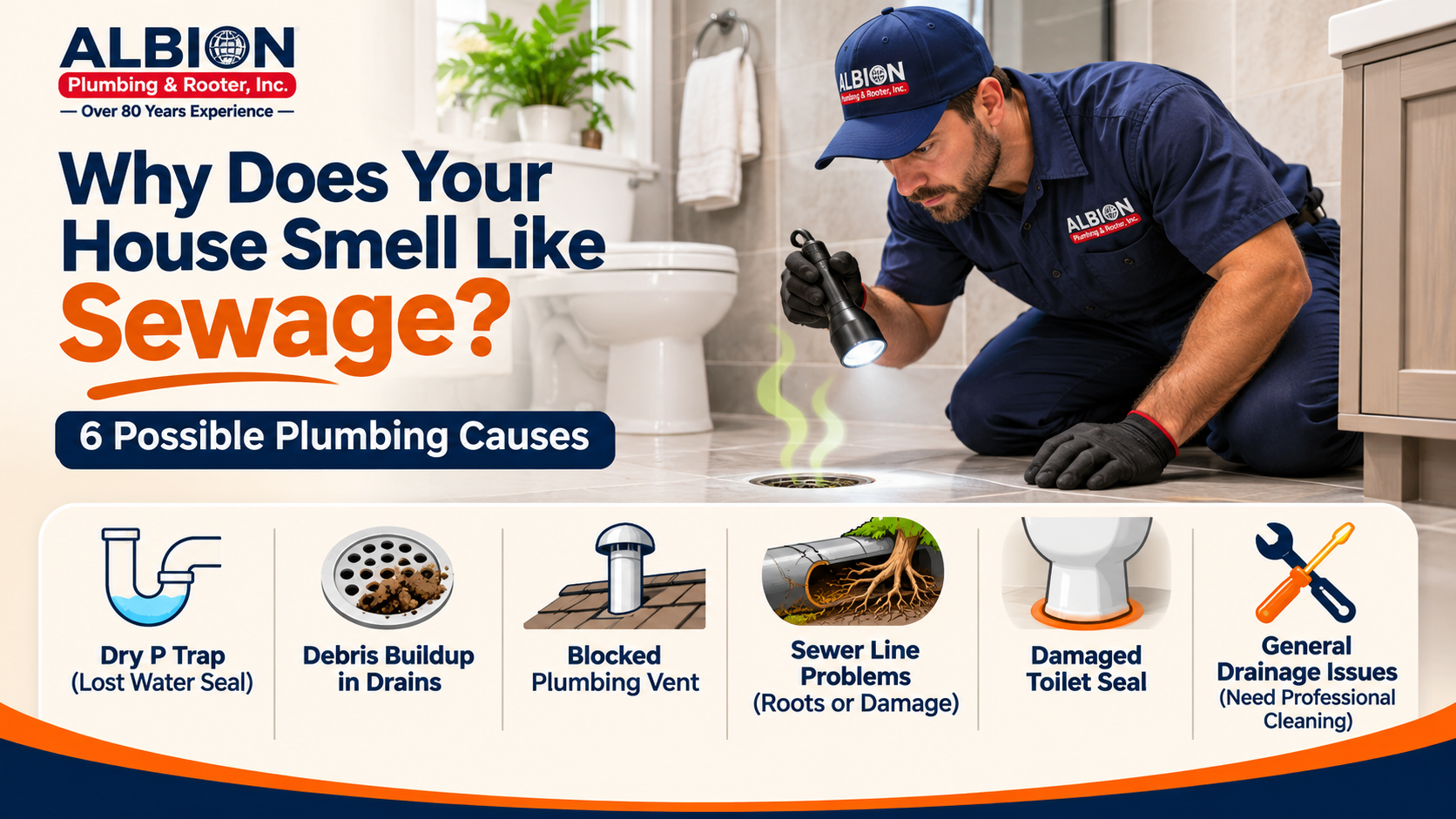
A strange sewage smell in the bathroom, laundry room, or kitchen can make homeowners uncomfortable, especially when every sink and toilet appears to be working normally. Sometimes the odor comes from a simple plumbing issue, while other cases involve hidden drainage problems that need professional attention. Understanding the possible causes and knowing when to arrange a sewer cleaning service can help homeowners identify the problem before it becomes more serious.
A sewer odor should never be ignored simply because water continues flowing through the drains.
1. A Dry P Trap May Allow Sewer Gases Into the Room
Every properly functioning P trap holds a small amount of water that acts as a barrier between the home and the sewer system.
When a sink, shower, or floor drain is rarely used, the water inside its trap can gradually evaporate.
Once the water seal disappears, sewer gases may enter the room through the drain opening.
This commonly happens in guest bathrooms, basement floor drains, or sinks that remain unused for long periods.
What homeowners can do:
Run water into rarely used drains to restore the water seal. If the odor continues despite regular use, further plumbing inspection may be necessary.
2. Organic Debris May Be Accumulating Inside the Drain
Bathroom and kitchen drains regularly collect soap residue, food particles, grease, hair, and other organic materials.
As this debris accumulates, bacteria can break down the material and produce unpleasant odors.
Even when water flows normally, residue inside the drain may contribute to recurring smells.
Common warning signs include:
-
Unpleasant smells near the sink opening
-
Odors that become noticeable after using hot water
-
Debris collecting around drain stoppers
-
Recurring smells despite surface cleaning
Cleaning accessible drain components may help address minor buildup.
However, persistent odors may require further investigation.
3. A Blocked Plumbing Vent May Be Affecting Drainage
Plumbing vent pipes help regulate air pressure within drainage systems and allow sewer gases to escape safely above the building.
When a vent becomes obstructed, the drainage system may not function correctly.
Possible symptoms include gurgling drains, slow drainage, or water being pulled from fixture traps.
A damaged or improperly functioning vent system may also contribute to sewer odors inside the property.
What homeowners should know:
Vent pipes are often located on rooftops, making inspection potentially hazardous.
A qualified plumbing professional can assess suspected vent problems without homeowners attempting unsafe roof access.
4. Hidden Sewer Line Problems Can Produce Persistent Odors
Sometimes the source of a sewer smell is located deeper within the home's drainage system.
A partially obstructed sewer line, damaged pipe joint, or deteriorating pipe can contribute to unpleasant odors.
In older homes, underground sewer pipes may experience problems such as:
-
Tree root intrusion
-
Cracked or displaced pipe sections
-
Grease and debris accumulation
-
Pipe corrosion
-
Damaged sewer connections
These issues may initially produce limited symptoms before more noticeable drainage problems develop.
Persistent sewer odors accompanied by gurgling, repeated clogs, or wastewater backups deserve professional attention.
5. A Damaged Toilet Seal May Be the Cause
The seal beneath a toilet helps prevent wastewater and sewer gases from escaping around the connection to the drainpipe.
When this seal deteriorates or becomes displaced, odors may develop around the toilet base.
In some cases, moisture or staining may also appear near the floor.
A loose toilet, damaged flange, or failing seal should be assessed before additional problems develop.
Replacing the seal may resolve the issue, but the underlying cause of the failure should also be addressed.
How Can Professional Sewer Cleaning Help?
Professional sewer cleaning can help remove accumulated debris, grease, and other obstructions from compatible sewer piping.
Depending on the condition of the system, a plumber may use mechanical cleaning equipment or recommend hydro jetting.
However, sewer cleaning is not the correct solution for every odor problem.
Dry traps, damaged seals, venting defects, and broken pipes require different corrective measures.
A professional evaluation can help identify the actual source before choosing a repair method.
When Should You Contact a Professional Plumber?
Homeowners should consider professional assistance when sewer odors:
-
Continue after basic drain cleaning.
-
Appear in several rooms simultaneously.
-
Occur alongside recurring drain blockages.
-
Become noticeable near toilets or floor drains.
-
Accompany gurgling sounds or wastewater backups.
-
Return repeatedly despite restoring trap water.
Albion Plumbing Rooter Inc. provides sewer cleaning, drain cleaning, sewer inspections, and residential plumbing services throughout San Leandro and surrounding Bay Area communities.
A professional inspection can help determine whether the odor originates from an obstruction, damaged plumbing component, or another drainage issue.
Can Regular Maintenance Help Prevent Sewer Odors?
Simple household maintenance habits can reduce certain causes of unwanted drain smells.
Run water periodically through rarely used fixtures, remove visible debris from sink stoppers, and avoid pouring cooking grease into drains.
Do not flush wipes, paper towels, or hygiene products that can contribute to sewer blockages.
If odors return repeatedly, address the underlying problem rather than relying on fragrances or chemical cleaners to mask the smell.
Final Thoughts
Sewer odors inside a home can have several causes, including dry P traps, accumulated debris, plumbing vent problems, damaged toilet seals, or sewer line defects.
Recognizing accompanying symptoms can help homeowners determine when routine maintenance may be sufficient and when professional diagnosis is necessary.
Addressing persistent sewer smells promptly can support a cleaner, more comfortable home and help prevent overlooked plumbing problems.

 English
 Arabic
 French
 Spanish
 Deutsch
 Turkish
 Dutch
 Italiano
 Russian
 Romaian
 Portuguese (Brazil)
 Greek