


What Should Buyers Check With minidumperfactory Before Ordering?
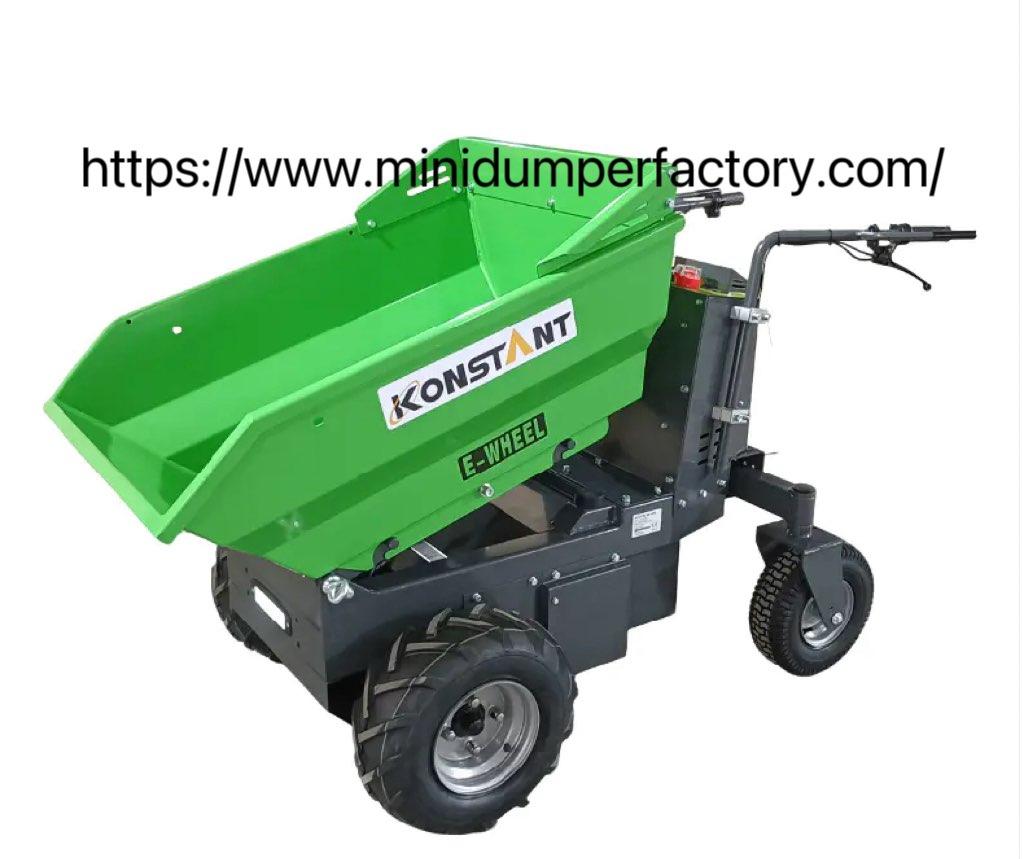
Mini Dumper Supplier selection involves more than comparing prices or browsing product pictures. For construction contractors, landscaping businesses, agricultural operators, equipment distributors, and importers, the purchasing decision should begin with a clear understanding of the intended application. Machine specifications, production arrangements, customization, inspection, and delivery all deserve attention before an order is confirmed. A structured evaluation can help buyers identify suitable equipment and communicate their requirements more effectively.
Define the Actual Material Handling Requirements
Before contacting a manufacturer, buyers should identify the materials they plan to transport and the conditions in which the equipment will operate. Construction projects may involve soil, sand, gravel, bricks, or demolition debris. Landscaping work can require the movement of stones, branches, garden waste, and planting materials. Agricultural operations may involve feed, crops, or other supplies.
These materials have different weights and handling characteristics. Buyers should estimate the typical load for each working cycle instead of relying only on the container size. It is also useful to consider daily operating hours, transport distance, and the number of trips expected.
Providing these details gives the manufacturer a clearer picture of the intended workload and helps narrow down appropriate configurations.
Check Dimensions Against the Worksite Layout
A machine that carries the required load may still be unsuitable if it cannot move comfortably through the working area. This is particularly relevant for renovation projects, gardens, farms, and construction sites with restricted access.
Measure the width of gates, entrances, paths, ramps, and turning areas. Check the distance between obstacles and identify where loading and unloading will take place. Overall machine dimensions, turning behavior, ground clearance, and hopper size should be considered together.
Buyers should also explain whether the route includes slopes, uneven surfaces, loose gravel, wet soil, or paved sections. These conditions can influence the choice of wheels, tracks, and drive configuration.
A simple site sketch or a few photographs can make technical discussions more productive. It allows the manufacturer to understand access limitations instead of relying on general descriptions.
Compare Power and Drive Configurations
Power selection should reflect the operating environment and the buyer’s business requirements. Some projects take place outdoors over extended working periods, while others involve enclosed spaces or areas where noise and exhaust need additional consideration.
Buyers can ask about available gasoline-engine and battery-powered configurations, operating requirements, charging arrangements where applicable, and routine maintenance. The drive system should also be evaluated according to the surface conditions and expected workload.
Rather than choosing a configuration based on one feature, compare the complete operating setup. Ask for technical specifications and operating information so that the purchasing team can assess whether the proposed model fits its daily tasks.
Examine Loading and Unloading Functions
The material handling process does not end when a load reaches its destination. Buyers should consider how materials will be discharged and whether the unloading arrangement suits the project.
Questions worth discussing include:
What type of hopper is available?
Is the tipping method suitable for the intended material?
Does the discharge position match the receiving area?
Are the controls accessible to the operator?
Are optional configurations available for specific tasks?
For businesses handling different materials, unloading convenience can affect the organization of daily work. Buyers should explain whether materials need to be discharged beside a wall, into a container, or at another designated position.
Review Manufacturing and Inspection Arrangements
Product specifications provide useful information, but buyers should also understand how an order is prepared. Ask about assembly procedures, component checks, functional testing, and final inspection.
For larger orders, it may be helpful to agree on an inspection checklist before production begins. The checklist can include dimensions, rated load, power configuration, appearance, accessories, and packaging requirements.
Distributors and importers may also need product photographs, operation manuals, spare parts information, and other documents for their local markets. Confirm the required language and format in advance.
Clear written records help both parties keep track of the agreed configuration and any changes made during order preparation.
Discuss Customization and After-Sales Support
Different markets may require different colors, labels, nameplates, manuals, accessories, or packaging. Buyers planning OEM or private-label orders should communicate these details during the quotation stage.
It is useful to ask which modifications are available, whether drawings or samples are needed, and how customized details will be approved. For repeat purchases, an approved sample or written specification can provide a reference for later orders.
After-sales arrangements also deserve attention. Ask how replacement parts are identified, which components require regular maintenance, and what technical guidance is available. Overseas buyers should clarify how spare parts can be ordered and what information is needed to identify them.
These discussions help businesses plan equipment maintenance and organize support after the shipment arrives.
Compare Quotations and Delivery Conditions
A quotation should provide enough detail for a meaningful comparison. Check the model, quantity, configuration, accessories, customization, inspection arrangements, packaging, payment conditions, and shipping responsibilities.
International buyers should confirm the destination, export documents, packing method, and estimated production and shipping schedules. If a delivery deadline matters, communicate it before confirming the purchase order.For buyers reviewing different equipment options, minidumperfactory provides product information that can support comparisons across applications and configurations. Preparing details about materials, site conditions, expected loads, and order quantities can make further discussions more specific. To review available models and product information, visit https://www.minidumperfactory.com/product/ and use the details to prepare your purchasing requirements.

 English
 Arabic
 French
 Spanish
 Portuguese
 Deutsch
 Turkish
 Dutch
 Italiano
 Russian
 Romaian
 Greek