


What Buyers Should Consider When Selecting an EI Transformer
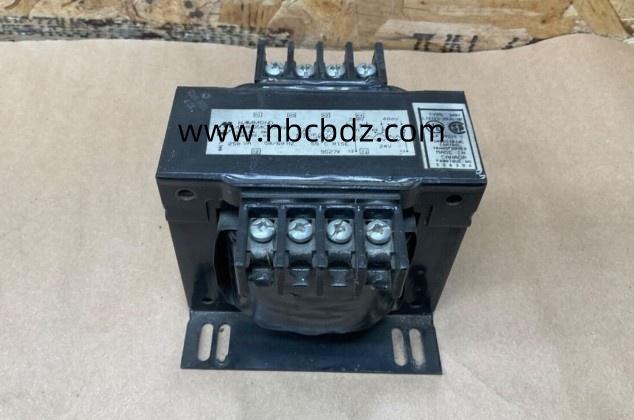
Transformers support the operation of many electrical and electronic systems by transferring electrical energy between circuits through electromagnetic induction. When buyers evaluate an EI Transformer Factory, they should look beyond the finished product and understand how core materials, winding processes, insulation structures, and manufacturing controls influence its suitability for an application. An EI transformer may appear relatively simple, but its internal construction requires careful coordination between magnetic and electrical components. Ningbo Chuangbiao Electronic Technology Co., Ltd. specializes in electronic transformers, with EI transformers forming an important part of its product range.
The magnetic core is one of the defining elements of an EI transformer. It is commonly assembled from laminated electrical steel sheets shaped into E and I sections. These laminations provide a magnetic path for energy transfer while helping limit losses associated with circulating currents within the core material. Material quality, lamination condition, and assembly accuracy all influence the finished transformer's behavior. Buyers should therefore consider the manufacturer's material sourcing and core inspection practices rather than judging quality only by the external appearance.
Winding materials are equally important. Copper is widely used for transformer windings because of its electrical conductivity and suitability for coil production. The winding arrangement determines how the primary and secondary circuits interact through the magnetic field. Insulation between turns and between separate winding sections helps prevent unwanted electrical contact. Consistent winding placement and secure connections are essential parts of manufacturing because irregularities may affect electrical performance and long-term reliability.
Insulating materials protect the winding structure and help maintain separation between conductive components. Depending on the product design, manufacturers may use insulating paper, films, sleeves, and other suitable materials. These components need to withstand the thermal and electrical conditions associated with the intended application. Buyers should ask about insulation materials, manufacturing controls, and relevant product documentation when evaluating a transformer for integration into their equipment.
Selecting an EI transformer begins with understanding the requirements of the equipment in which it will operate. Buyers should identify the input power conditions, required output characteristics, operating environment, installation method, and intended duty. The transformer's role within the complete electrical system should also be considered. A design suitable for a control circuit may not automatically be appropriate for audio equipment or another specialized application.
Application compatibility is more important than choosing a product based on a general description. Industrial control equipment may require stable power for control components, while audio applications can place particular importance on electrical noise and mechanical vibration. Medical and communication equipment may have additional design and compliance requirements. Procurement teams should provide the manufacturer with clear application information, drawings, or reference samples so that product selection and customization can be discussed accurately.
The operating principle relies on electromagnetic induction. Alternating current in the primary winding produces a changing magnetic field in the core, which induces voltage in the secondary winding. The relationship between the windings supports the required voltage conversion, while the core provides a path for magnetic flux. The laminated construction is an important part of the design because it helps manage core losses. The quality of the winding arrangement, magnetic materials, and insulation system contributes to the transformer's overall performance.
Manufacturing precision also affects practical operation. A poorly assembled core may contribute to unwanted vibration or audible noise, while inconsistent winding arrangements can create differences between finished units. Secure terminal connections are important for integration into electrical equipment, and suitable insulation helps protect the internal structure. Manufacturers use production inspection and electrical testing to identify problems before products leave the factory.
For equipment designers and maintenance personnel, a well-integrated transformer should be straightforward to install and connect. Terminal positioning, mounting arrangements, lead identification, and overall construction influence how easily the component fits into a control cabinet or electronic enclosure. Clear product markings and organized connection points can reduce confusion during assembly and servicing. Buyers should also consider whether the transformer can be accessed conveniently if inspection or replacement becomes necessary.
The external design is closely related to installation requirements. EI transformers may use different mounting structures, terminal arrangements, protective covers, and lead configurations according to their intended applications. A compact and orderly structure can help equipment designers make effective use of available enclosure space. At the same time, the design must allow appropriate insulation, mechanical support, and heat dissipation. Appearance is therefore not simply a matter of visual presentation; it also reflects how the component is intended to be integrated into a larger system.
Ningbo Chuangbiao Electronic Technology Co., Ltd. offers a range of transformer products, including EI transformers, toroidal transformers, C-core transformers, isolation transformers, audio transformers, and industrial control transformers. Its company information describes material sourcing from approved suppliers, trained production personnel, CNC equipment, automated testing systems, and comprehensive quality inspection. The company also provides customized development based on customer drawings or samples, which can help equipment manufacturers address specific installation and electrical requirements.
Quality assurance should extend across material procurement, core preparation, winding, insulation, assembly, and final testing. Buyers can ask manufacturers how each production stage is inspected and what documentation accompanies the finished product. Certifications and test records should be checked for relevance to the specific product and intended market. Clear technical communication is also valuable when a project involves a custom winding arrangement, special mounting structure, or particular operating environment.
For businesses developing power supplies, control equipment, audio systems, or other electronic products, selecting a transformer manufacturer involves balancing electrical requirements with material quality, production consistency, and application support. Ningbo Chuangbiao Electronic Technology Co., Ltd. provides EI transformer products and customized transformer solutions for different equipment needs. Buyers can review its product range and discuss drawings, samples, and application requirements through the company's official product website: https://www.nbcbdz.com/product/

 English
 Arabic
 French
 Spanish
 Portuguese
 Deutsch
 Turkish
 Italiano
 Russian
 Romaian
 Portuguese (Brazil)
 Greek