


Don’t Ignore Hair Thinning: It Could Be Male Pattern Baldness
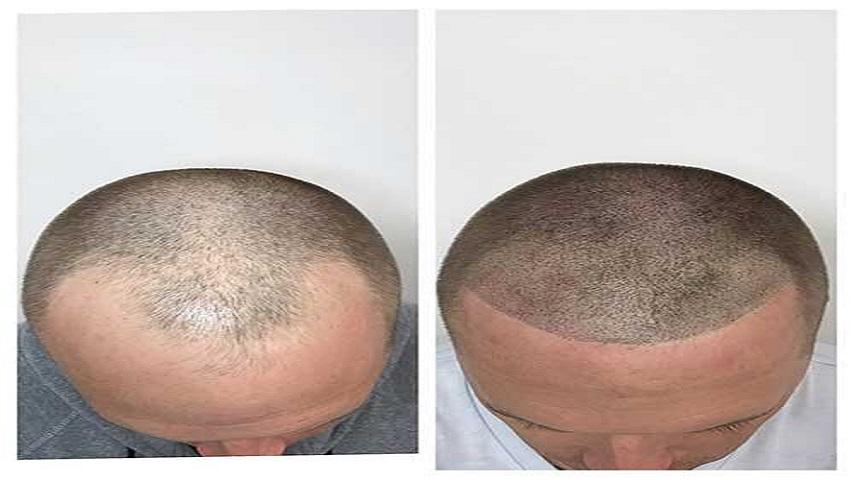
Hair thinning often starts quietly—a slightly wider parting, less volume, or a receding hairline that’s easy to overlook. Many assume it’s temporary, caused by stress or lifestyle changes. But in many cases, it could be the early stage of Androgenetic Alopecia.
Ignoring these early signs can lead to progressive hair loss that becomes harder to treat over time. Understanding what’s happening and acting early can help you maintain healthier, stronger hair.
What is Male Pattern Baldness?
Male pattern baldness is a common condition driven by genetics and hormones. It occurs when hair follicles gradually shrink due to sensitivity to DHT (dihydrotestosterone).
How it progresses:
- Hair becomes thinner and finer
- Growth cycle shortens
- Hair follicles eventually stop producing new hair
This process doesn’t happen overnight—but once it starts, it tends to continue without proper care.
Early Signs You Shouldn’t Ignore
Hair thinning is often the first visible clue. Recognizing it early can make a big difference.
Look out for:
- Gradual thinning on the top of the head
- Receding hairline at the temples
- Reduced hair volume or density
- Hair strands becoming finer and weaker
- More scalp visibility under light
These signs may seem minor at first but can worsen steadily.
Why Hair Thinning Matters
Hair thinning is not just a cosmetic concern—it’s often a signal that your hair follicles are weakening.
If ignored, it can lead to:
- Permanent follicle shrinkage
- Increased hair fall
- Visible bald patches over time
Early attention helps preserve active follicles and prevent long-term damage.
What Causes Male Pattern Baldness?
Several factors contribute to this condition:
- Genetics: A family history of hair loss increases risk
- Hormones: DHT affects the size and strength of hair follicles
- Age: Hair naturally becomes thinner over time
- Lifestyle factors: Stress, poor diet, and lack of care can accelerate the process
Understanding the cause helps in choosing the right treatment approach.
What You Can Do Early
Taking action at the thinning stage can significantly slow down progression.
1. Strengthen Your Scalp Health
A healthy scalp supports better hair growth.
- Keep your scalp clean and balanced
- Avoid product buildup
- Use gentle hair care products
2. Improve Your Nutrition
Hair needs essential nutrients to stay strong.
Focus on:
- Protein for hair structure
- Iron and zinc to reduce hair fall
- Vitamins like Biotin and Vitamin D
3. Manage Stress Levels
Stress can worsen hair thinning and accelerate hair loss.
- Practice relaxation techniques
- Maintain proper sleep
- Stay active and consistent
4. Consider Advanced Treatments Early
Professional treatments are most effective in early stages.
Options include:
- PRP (Platelet-Rich Plasma) Therapy
- Low-Level Laser Therapy (LLLT)
- Medical scalp treatments
These treatments help strengthen follicles and support regrowth.
5. Avoid Hair-Damaging Habits
Your daily routine matters.
- Limit heat styling tools
- Avoid harsh chemicals
- Don’t pull hair tightly
Protecting your hair reduces additional stress on weak follicles.
Why Early Action Is the Key
The biggest mistake most people make is waiting too long. By the time hair loss becomes very visible, many follicles may already be inactive.
Early care helps:
- Preserve existing hair
- Slow down thinning
- Improve treatment success
Prevention is always easier than restoration.
Final Thoughts
Hair thinning is often the first warning sign of male pattern baldness—and it should never be ignored. What seems like a small change today can turn into noticeable hair loss tomorrow.
By recognizing the signs early and taking proactive steps, you can protect your hair, maintain density, and support long-term scalp health.

 English
 Arabic
 French
 Spanish
 Portuguese
 Deutsch
 Turkish
 Italiano
 Russian
 Romaian
 Portuguese (Brazil)
 Greek
Greek