


What Should Buyers Ask a China Vacuum Roll Pack Sofa Manufacturer?
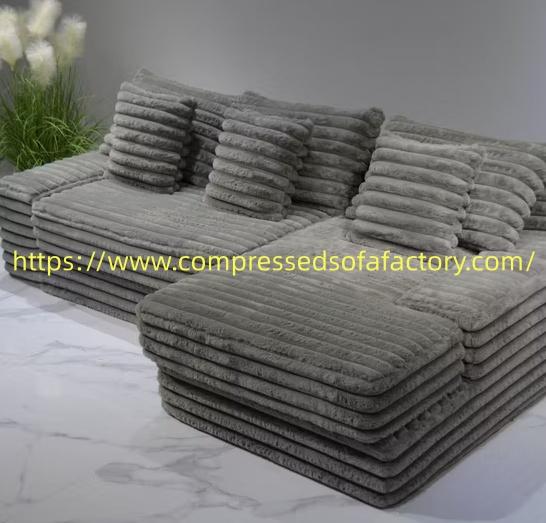
China Vacuum Roll Pack Sofa Manufacturer evaluation involves more than reviewing product images and comparing quotations. Buyers should examine material selection, production procedures, customization capabilities, packaging arrangements, and quality management. These factors influence product consistency, delivery planning, and the overall purchasing experience. A clear evaluation process also helps importers communicate their expectations and reduce misunderstandings before confirming an order.
Understand the Factory's Material Selection Process
Material selection is an important part of furniture manufacturing. Buyers should ask about the types of foam, fabric, internal support components, and other materials used in each model. Different combinations can affect seating comfort, appearance, durability, and product weight.
It is useful to request material specifications before making a purchasing decision. For example, foam density and resilience can influence how a seat performs during regular use. Fabric composition, thickness, texture, and color options also deserve attention, especially when products are intended for different customer groups.
Suppliers should be able to explain available materials and help buyers compare suitable options according to their target market and budget.
Review Foam Processing and Component Preparation
Foam processing affects the shape and support characteristics of compressed furniture. Buyers can ask how foam is cut, shaped, and prepared before assembly. Consistent processing helps maintain dimensions across different production batches.
Component preparation also deserves consideration. Internal structures, connecting parts, covers, and other accessories should match the approved product specifications. If a project requires several sizes or configurations, the supplier should explain how these differences are managed during production.
Requesting product samples or detailed specifications can help buyers understand the construction before arranging a larger order.
Ask About Odor Management and Material Handling
Material storage and workshop conditions can influence the finished product. Buyers should learn how fabrics, foam, and other components are stored before use. Proper handling helps reduce contamination, moisture exposure, and unnecessary material damage.
Odor management is another point worth discussing. Foam and fabric may have different smells depending on their composition and processing conditions. Buyers can ask about ventilation, storage periods, and inspection arrangements before shipment.
These questions are particularly useful when products will be sold through retail channels or delivered directly to end customers.
Check Dimensions and Customization Flexibility
Product dimensions should be confirmed before production begins. Buyers need to review the overall size, seat height, depth, width, and other measurements relevant to the intended application. Clear technical information makes it easier to compare samples with approved specifications.
Customization may involve fabric colors, surface textures, dimensions, packaging labels, or product combinations. However, not every change is suitable for every production arrangement. Buyers should provide drawings, reference images, or written requirements so the factory can assess feasibility.
It is also helpful to confirm whether customized orders require additional preparation time or minimum quantities.
Evaluate Compression and Packaging Methods
Packaging affects storage, transportation, and the condition of goods after delivery. Buyers should ask how products are prepared for compression, what protective materials are used, and how packages are sealed.
It is important to understand the expected recovery process after unpacking. Buyers can request clear instructions about opening, placement, and the time needed for the product to regain its intended shape. Sample testing can provide useful information before a large shipment is arranged.
Packaging dimensions and carton strength should also be reviewed because they may influence warehouse arrangements and shipping calculations.
Examine Production Scheduling and Inspection Procedures
A supplier should provide a clear explanation of its production schedule. Buyers can ask about order confirmation, material preparation, manufacturing stages, inspection timing, and estimated completion dates.
Quality checks should cover relevant details such as dimensions, stitching, fabric condition, component assembly, and packaging. For customized orders, inspection criteria should be agreed upon before production. This makes it easier for both parties to evaluate whether finished goods match the approved requirements.
Buyers should also clarify how production updates are shared and how unexpected schedule changes are communicated.
Prepare a Practical Supplier Evaluation Checklist
Before choosing a manufacturing partner, importers can prepare a checklist covering several essential areas:
Material specifications and available options
Product dimensions and construction details
Customization requirements and minimum order quantities
Packaging specifications and recovery instructions
Production capacity and estimated lead time
Inspection procedures and documentation
Communication arrangements and after-sales support
Comparing suppliers with the same checklist makes the evaluation process more organized. It also helps purchasing teams identify missing information before signing an order or arranging payment.A reliable purchasing decision begins with clear requirements and direct communication. Buyers can review product information, discuss project specifications, and request further manufacturing details from compressedsofafactory through https://www.compressedsofafactory.com/product/ before planning their next order.

 English
 Arabic
 French
 Portuguese
 Deutsch
 Turkish
 Dutch
 Italiano
 Russian
 Romaian
 Portuguese (Brazil)
 Greek