


Is Paver Dyeing Better Than Replacing Pavers? A Complete Comparison
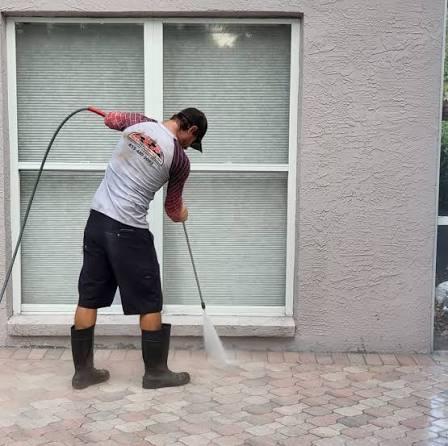
Outdoor pavers are commonly used for driveways, patios, pool decks, and walkways because of their durability and decorative appeal. However, prolonged exposure to sunlight, rain, moisture, and everyday traffic can gradually affect their color and appearance. When pavers become faded or worn, choosing between restoration and replacement becomes an important decision. Is paver dyeing better than replacing pavers? The answer depends on the existing surface condition, the extent of deterioration, the desired appearance, and the overall restoration requirements.
1. Understanding Paver Dyeing
Paver dyeing is a restoration method that uses specially formulated color treatments to improve or change the appearance of existing pavers. It is generally considered when the paving material remains structurally sound but has experienced fading, discoloration, or uneven coloring.
The process typically involves cleaning the surface, removing stains and contaminants, allowing the pavers to dry, and applying a compatible color treatment.
Some common benefits include:
- Restoring the appearance of faded pavers.
- Improving color consistency across the surface.
- Changing the appearance of compatible paving materials.
- Retaining existing pavers instead of removing them.
- Reducing material waste associated with replacement.
The final appearance depends on the paver material, surface condition, product compatibility, and application technique.
2. Understanding Paver Replacement
Paver replacement involves removing existing materials and installing new paving units. This approach is generally appropriate when the surface has significant physical damage or structural problems.
The process may include removing damaged pavers, evaluating the underlying base, correcting drainage problems, preparing the installation area, and installing new materials.
Replacement may be necessary when:
- Pavers have extensive cracks or broken sections.
- Individual units are severely chipped or deteriorated.
- Large areas have become uneven or unstable.
- Drainage problems affect the paving structure.
- A completely different design or material is required.
One advantage of replacement is the opportunity to address underlying installation issues while updating the surface's overall appearance.
3. Comparing Paver Dyeing and Replacement
Both methods can improve outdoor paving, but their applications are different.
Appearance: Dyeing enhances or changes the existing color, while replacement introduces new materials with different colors, textures, and finishes.
Project disruption: Dyeing generally requires less disruption because existing pavers remain in place. Replacement involves removal, disposal, and new installation work.
Material waste: Dyeing retains existing paving materials, whereas replacement generates waste from removed pavers. Some removed materials may be reused or recycled.
Structural improvements: Dyeing addresses appearance rather than physical damage. Replacement can correct structural problems when the underlying base is properly evaluated.
Design flexibility: Dyeing offers color-related changes, while replacement provides greater flexibility in selecting paving styles, patterns, materials, and layouts.
4. Cost Differences Between Both Methods
Project expenses are influenced by the size of the paved area, material type, surface condition, labor, and preparation requirements.
Paver dyeing generally involves cleaning, preparation, color treatment, and potentially a compatible protective coating. Since existing materials remain in place, expenses related to demolition, disposal, and purchasing new pavers may be avoided.
Replacement typically involves additional costs, including:
- Removing existing paving materials.
- Transporting or disposing of old pavers.
- Purchasing replacement materials.
- Preparing or repairing the underlying base.
- Installation labor and equipment.
- Joint sand and finishing work.
Although dyeing may involve a lower initial investment, it may not be appropriate when the existing paving has extensive structural deterioration.
5. When Is Paver Dyeing a Suitable Option?
Paver dyeing is generally considered when the primary concern involves color rather than structural condition.
Sunlight-related fading: Continuous ultraviolet exposure can gradually affect the original color of certain paving materials.
Uneven discoloration: Differences in sunlight exposure, staining, and aging can cause inconsistent coloration across the surface.
Aging appearance: Older pavers may lose their visual appeal even when they remain structurally stable.
Color changes: Compatible treatments can modify the appearance of existing paving without requiring complete removal.
However, not every paver material responds equally to dye treatments. Surface porosity, existing coatings, previous sealers, and preparation quality can influence the results.
6. When Is Paver Replacement Necessary?
Replacement becomes a more appropriate consideration when the existing paving has physical or structural problems.
Cracked, broken, severely chipped, and unstable pavers cannot be repaired through color treatments alone. Similarly, widespread sinking or recurring movement may indicate problems with the underlying base.
Replacement may also be necessary when the existing layout no longer meets functional requirements or when a completely different paving design is preferred.
Importantly, replacing damaged units without correcting the underlying cause may lead to recurring problems. Drainage, base stability, and installation conditions should be evaluated before new materials are installed.
7. Does Paver Dyeing Require Sealing?
Some dye treatments require a compatible protective sealer, while others contain protective properties within their formulation.
A suitable sealer may help reduce staining, moisture penetration, and everyday surface wear. However, the selected product must be compatible with both the paving material and the color treatment.
Proper cleaning and drying are important before application. Following product-specific instructions helps prevent problems such as uneven finishes, whitening, and adhesion failure.
8. Important Factors Before Choosing a Restoration Method
Several considerations help determine the appropriate approach:
- Surface condition: Identify whether the problem involves fading, staining, cracking, or structural movement.
- Material type: Consider whether the paving consists of concrete, brick, clay, or natural stone.
- Restoration goals: Determine whether color improvement or complete structural renewal is required.
- Project budget: Compare preparation, labor, material, and installation expenses.
- Environmental exposure: Evaluate sunlight, rainfall, humidity, and traffic conditions.
- Maintenance requirements: Consider the expected upkeep and durability of each option.
Conclusion
Paver dyeing and replacement serve different purposes in outdoor surface restoration. Dyeing can be suitable for faded or discolored pavers that remain structurally sound, while replacement is generally more appropriate for broken, unstable, or severely deteriorated materials.
The most suitable option depends on the actual condition of the paving surface, restoration objectives, and long-term maintenance expectations. A thorough surface assessment helps determine whether color restoration is sufficient or complete replacement is necessary.

 English
 Arabic
 Spanish
 Portuguese
 Deutsch
 Turkish
 Dutch
 Italiano
 Russian
 Romaian
 Portuguese (Brazil)
 Greek