


Lead for Service Elevators & Autoracing Lead Products – Nuclead Manufacturing Co Inc
Lead for Service Elevators and Autoracing: Understanding Specialised Lead Applications
Lead is a versatile industrial metal valued for its high density, weight, corrosion resistance, and ability to be shaped into different forms. From specialised service elevator applications to autoracing components, lead to service elevator can serve important engineering purposes when selected and used according to the specific requirements of a project. Its properties make it relevant to applications where weight distribution, vibration management, shielding, or specialised metal fabrication may be required.
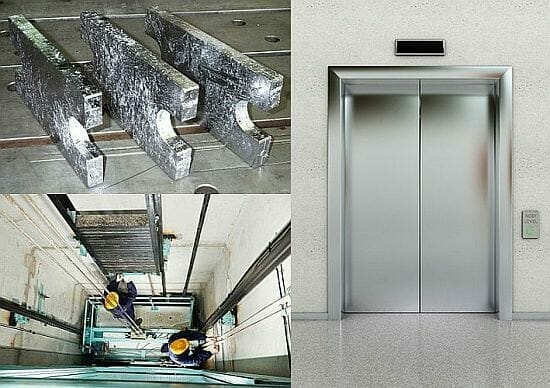
Understanding how lead products are manufactured, selected, and applied is important for businesses looking for reliable industrial materials. Whether a project involves a service elevator system or an autoracing application, choosing the right material requires attention to specifications, engineering requirements, and workplace safety.
1. Understanding Lead as an Industrial Material
Lead is a dense, soft metal with a relatively low melting point. It can be supplied in several forms, including sheets, plates, bars, rounds, wire, and custom-fabricated components. These different forms allow manufacturers and engineers to consider lead for specialised industrial applications.
Some important characteristics of lead include:
-
High Density: Lead provides substantial mass in a comparatively compact volume.
-
Malleability: It can be shaped and fabricated into different forms.
-
Corrosion Resistance: Lead offers resistance to certain corrosive environments.
-
Radiation Shielding: Lead is widely recognised for its ability to attenuate X-rays and gamma radiation.
-
Vibration and Sound Damping: Its physical properties can be useful in certain engineered damping applications.
-
Custom Fabrication: Lead products can be manufactured to meet specific dimensional and technical requirements.
These characteristics make lead a specialised material rather than a general-purpose metal. Its suitability depends on the design, operating environment, and applicable safety regulations.
2. Lead Applications in Service Elevators
Service elevators are designed to transport goods, equipment, supplies, and other materials between different floors of commercial, industrial, and institutional buildings. Their operation depends on carefully engineered mechanical and structural systems.
In specialised elevator engineering, additional mass may sometimes be considered for balancing, testing, vibration control, or other design-specific requirements. Lead may be evaluated for certain applications because of its high density and ability to be fabricated into compact shapes.
However, lead is not a standard component of every service elevator. Its use must be determined by qualified elevator engineers and must comply with the applicable building and elevator safety standards.
Possible Engineering Considerations
-
Weight Management: Engineered counterweight systems may require accurately specified masses. The material must be selected according to the elevator manufacturer’s design.
-
Vibration Control: Certain industrial systems use specialised damping materials to manage vibration. Any lead-based solution must be properly designed and enclosed.
-
Space Limitations: High-density materials can provide substantial mass in a limited space, although handling and installation requirements must also be considered.
-
Custom Components: Fabricated metal components may be required for particular equipment configurations, subject to engineering approval.
For service elevator projects, the most important consideration is not simply the density of the material. Load capacity, structural integrity, installation method, fire safety, maintenance access, and regulatory compliance must all be assessed.
3. Why Material Selection Matters for Service Elevators
Selecting materials for elevator systems requires a detailed understanding of how the equipment operates. Every component must work safely under repeated loading, movement, and changing operating conditions.
Lead should only be considered when a documented engineering requirement supports its use.
Important selection factors include:
-
Load Specifications: The material must meet the required weight and dimensional specifications.
-
Structural Compatibility: The elevator structure and associated equipment must be capable of supporting the proposed component.
-
Secure Enclosure: Where lead is approved, it must be appropriately contained to prevent exposure.
-
Maintenance Requirements: The design should allow safe inspection and servicing.
-
Regulatory Compliance: All materials and modifications must meet applicable elevator codes and safety requirements.
In many projects, alternative materials may be more appropriate. Steel, cast iron, and purpose-designed composite materials may be considered depending on the engineering application.
4. Understanding Lead in Autoracing Applications
Autoracing involves vehicles operating under demanding conditions, including high speeds, rapid acceleration, braking, cornering, and continuous vibration. Vehicle engineering therefore places considerable importance on weight distribution, structural strength, reliability, and safety.
In certain motorsport applications, dense materials may be considered when engineers need to achieve a specific weight or balance target. Lead can provide substantial mass in a small volume, making it a material that may be evaluated for specialised ballast applications.
However, the use of lead in autoracing is not universal. Motorsport regulations, technical inspection requirements, vehicle design, and occupational safety rules determine whether a particular material or component is permitted.
Potential Engineering Uses
-
Ballast Applications: Some racing categories have minimum vehicle-weight requirements. Approved ballast may be used to achieve the required weight.
-
Weight Distribution: Engineers may position permitted ballast to help achieve the vehicle’s intended balance.
-
Compact Weight Solutions: High-density materials can provide mass without occupying as much space as lower-density alternatives.
-
Specialised Fabrication: Certain projects may require accurately dimensioned metal components designed for a specific installation.
Any ballast must be securely mounted using an approved method. It must not interfere with vehicle safety systems, driver protection, suspension movement, or other critical components.
5. The Importance of Weight Distribution in Autoracing
Weight distribution is an important part of vehicle setup. The position of the engine, fuel tank, driver, suspension components, and other equipment can influence how a vehicle responds during acceleration, braking, and cornering.
In racing, engineers work to achieve a balance that suits the vehicle, track conditions, tyres, and competition regulations.
A carefully engineered ballast system may help a vehicle meet its required minimum weight while maintaining its intended setup. Nevertheless, adding weight does not automatically improve performance. Incorrect placement can negatively affect handling, braking, tyre loading, and vehicle stability.
For this reason, racing teams should work with qualified motorsport engineers and follow the relevant technical regulations before selecting or installing any ballast material.
6. Lead Products for Specialised Industrial Requirements
Industrial buyers may require lead in different shapes and specifications depending on the intended application. Standard products can support routine manufacturing requirements, while custom-fabricated components may be needed for specialised engineering projects.
Common lead product forms include:
-
Lead Sheets: Used in selected industrial, shielding, and specialised fabrication applications.
-
Lead Plates: Available in different thicknesses for projects requiring specific dimensions and material properties.
-
Lead Bars and Rounds: Useful where solid metal stock is required for further manufacturing or machining.
-
Lead Wire: Supplied for certain specialised industrial and technical applications.
-
Lead Ballast: Considered in specific engineered applications where dense material is required and permitted.
-
Custom Lead Components: Manufactured according to approved drawings, specifications, and project requirements.
The correct product depends on the required dimensions, grade, composition, tolerances, and intended operating conditions.
7. Custom Lead Fabrication and Manufacturing
Custom fabrication is important when standard lead products do not match a project’s requirements. Manufacturers may provide cutting, shaping, machining, and other fabrication services to produce components according to approved specifications.
Before placing an order, buyers should provide accurate technical information, including:
-
Required lead grade and composition.
-
Product dimensions and thickness.
-
Quantity and manufacturing tolerances.
-
Drawings or engineering specifications.
-
Intended application and operating conditions.
-
Packaging, containment, and handling requirements.
For service elevator or autoracing projects, custom fabrication should only proceed after the proposed component has been approved by the responsible engineering team.
8. Quality Considerations When Selecting a Lead Supplier
Choosing an industrial lead supplier involves more than comparing prices. Material consistency, accurate specifications, manufacturing capabilities, documentation, and safe handling procedures are all important.
A reliable supplier should be able to explain the available product forms and provide relevant technical information.
Consider the following factors:
-
Product Range: Check whether the supplier offers the required lead sheets, plates, bars, rounds, wire, or custom products.
-
Material Specifications: Confirm that the product matches the requested grade and composition.
-
Dimensional Accuracy: Verify thickness, length, width, diameter, and tolerances.
-
Technical Documentation: Request applicable material information and safety data sheets.
-
Manufacturing Capabilities: Understand whether the supplier can support specialised fabrication requirements.
-
Packaging and Transportation: Confirm that materials are packaged and transported according to relevant safety requirements.
Clear communication between the supplier, buyer, and engineering team helps reduce specification errors and supports better project planning.
9. Lead Safety and Handling Requirements
Although lead has useful industrial properties, it presents significant health and environmental hazards. Exposure can occur through inhalation of lead-containing dust or fumes and through ingestion following contamination of hands, surfaces, or food.
Lead exposure can affect several body systems. Therefore, its use requires strict occupational health and safety controls.
Important precautions include:
-
Follow the product’s Safety Data Sheet (SDS).
-
Use suitable protective equipment and approved handling procedures.
-
Prevent the creation and spread of lead dust.
-
Maintain appropriate ventilation and workplace hygiene.
-
Never eat, drink, or smoke in areas where lead is handled.
-
Store and transport lead in suitable, clearly identified packaging.
-
Use authorised waste-management procedures.
-
Follow applicable environmental and workplace safety regulations.
For elevator and motorsport applications, lead components should be securely enclosed or installed using approved engineering methods wherever required. Workers should not cut, grind, melt, or machine lead without appropriate specialist controls and authorisation.
10. Exploring Alternatives to Lead
While lead may be suitable for some specialised applications, it is important to evaluate alternatives before making a final material decision.
Possible alternatives include:
-
Steel: Commonly used for structural components and certain ballast applications.
-
Cast Iron: Provides substantial mass and may suit selected industrial designs.
-
Tungsten: Offers very high density for specialised applications, although cost and manufacturing requirements can be significant.
-
Engineered Composites: May be suitable for selected vibration-control or damping applications.
The best choice depends on engineering performance, cost, availability, installation requirements, environmental considerations, and applicable regulations.
11. Why Technical Specifications Matter Before Purchasing
For both service elevator projects and autoracing lead applications, purchasing lead without a clear technical specification can create unnecessary risks. The material must match the intended purpose and must be compatible with the complete system.
Before purchasing, confirm the following:
-
What is the exact purpose of the component?
-
What material grade and composition are required?
-
What dimensions and tolerances are specified?
-
Does the design permit lead?
-
What containment and installation methods are required?
-
Are there applicable industry or competition regulations?
-
What safety documentation is available?
These checks help ensure that material selection is based on verified requirements rather than assumptions.

12. Conclusion
Lead remains an important specialised industrial material because of its high density, malleability, and availability in different product forms. In service elevator engineering, it may be considered for certain approved applications involving specialised mass or damping requirements. In autoracing, dense materials may be evaluated for regulated ballast and vehicle-weight management.
However, neither application should rely on material selection alone. Engineering approval, technical specifications, secure installation, regulatory compliance, and strict lead-safety procedures are essential.
Businesses looking for lead products should work with an experienced manufacturer that can provide suitable material forms, accurate specifications, fabrication support, and relevant technical documentation. A carefully planned approach helps ensure that the selected material meets the project’s actual requirements while protecting workers, equipment, and the environment.

 English
 Arabic
 French
 Spanish
 Portuguese
 Deutsch
 Turkish
 Dutch
 Italiano
 Romaian
 Portuguese (Brazil)
 Greek