


Colombian Coffee Market: Consumer Trends, Premium Demand and Industry Growth
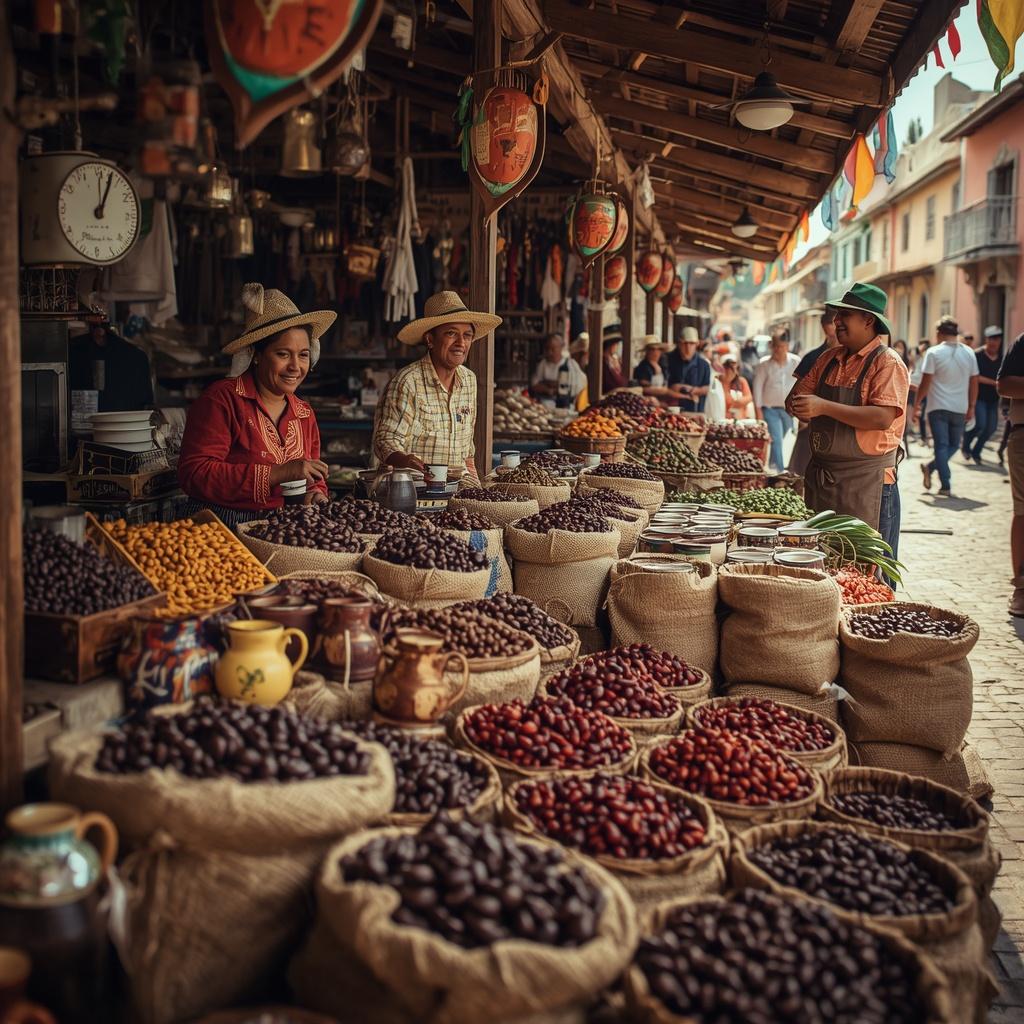
The Colombian Coffee Market holds an important position in the global coffee industry because of the country's strong coffee-growing traditions and international reputation for quality. Colombian coffee is widely appreciated for its distinctive aroma, balanced flavor, and versatility across different brewing methods. It is used in household consumption, specialty coffee shops, restaurants, packaged coffee products, and commercial beverage preparations.
The growing interest in Colombian Arabica coffee market trends reflects consumer appreciation for distinctive coffee origins, specialty roasting, and premium beverage experiences. Colombian coffee is particularly associated with Arabica varieties and carefully managed processing practices. These characteristics create opportunities for coffee growers, exporters, roasters, retailers, and specialty beverage businesses to develop differentiated products for customers with varying preferences.
Changing Consumer Preferences
Consumer preferences are an important factor influencing the Colombian coffee industry. Coffee drinkers are exploring different flavor profiles, roasting styles, brewing techniques, and product formats.
Traditional roasted coffee remains familiar to consumers, while specialty coffee products attract customers interested in distinctive aromas and carefully developed flavor characteristics.
Colombian coffee is suitable for different brewing methods, including espresso preparation, filter coffee, French press, and other brewing techniques. This versatility allows brands to reach customers with different beverage preferences.
Consumers are also paying greater attention to coffee origin, bean varieties, roasting methods, and product descriptions. These considerations encourage manufacturers to communicate product characteristics clearly.
Specialty Coffee and Premium Product Development
Specialty coffee represents an important opportunity for Colombian coffee businesses.
Coffee producers and roasters can differentiate their products through bean selection, cultivation practices, harvesting methods, processing techniques, and roasting profiles.
Single-origin coffee is particularly relevant to consumers interested in understanding where their coffee comes from. Products associated with specific Colombian growing regions can offer distinctive identities based on their growing environments and processing approaches.
Roasters can also develop specialty blends that combine Colombian coffee with other origins to create particular flavor experiences.
These product development strategies allow businesses to serve specialty retailers, cafés, restaurants, and consumers interested in premium coffee.
Coffee Cultivation and Production Practices
Coffee cultivation is central to the Colombian coffee industry. Growing conditions, soil characteristics, rainfall, altitude, and farming practices influence coffee development.
Colombia has a long-established coffee-growing culture supported by farming communities and agricultural expertise.
Coffee producers must manage several activities, including planting, maintaining coffee plants, harvesting cherries, and preparing harvested coffee for further processing.
Responsible cultivation practices can contribute to product consistency and support long-term agricultural operations.
Farmers and coffee businesses can also explore improved agricultural techniques and production management practices to address changing environmental conditions.
Processing and Roasting Innovation
Processing and roasting are important stages in developing the final characteristics of Colombian coffee.
Washed processing is traditionally associated with Colombian coffee and contributes to its recognizable flavor profile. Other processing approaches, including natural and honey methods, provide opportunities for flavor experimentation.
Roasting further influences aroma, body, acidity, and overall beverage characteristics.
Coffee companies can develop different roasting profiles to suit espresso, filter coffee, and other preparation methods.
Innovation across processing and roasting allows businesses to introduce products that appeal to traditional coffee drinkers and specialty coffee enthusiasts.
Retail Distribution and Coffee Accessibility
Retail distribution plays an important role in connecting Colombian coffee producers with consumers.
Supermarkets, grocery stores, specialty coffee retailers, cafés, and online platforms provide different purchasing opportunities.
Packaged roasted beans and ground coffee are familiar retail formats. Consumers can choose products according to their preferred brewing methods and flavor expectations.
Online retail also provides opportunities for coffee brands to introduce origin-specific products and communicate their characteristics through detailed descriptions.
Strong distribution partnerships can help manufacturers improve product accessibility and build brand recognition.
Foodservice and Specialty Café Opportunities
Coffee shops, restaurants, hotels, and hospitality businesses represent important commercial customers for Colombian coffee suppliers.
Specialty cafés can feature Colombian single-origin coffee, espresso blends, and alternative brewing preparations.
Restaurants and hotels can incorporate Colombian coffee into their beverage menus and dessert preparations.
Businesses can strengthen their offerings through consistent bean quality, suitable roasting profiles, and dependable supplier relationships.
The growing interest in specialty beverage experiences also encourages cafés to communicate coffee origin and preparation techniques to customers.
Sustainability and Responsible Coffee Production
Sustainability is an important consideration throughout the Colombian coffee supply chain.
Coffee producers and manufacturers can focus on responsible farming, efficient water use, soil management, biodiversity protection, and improved agricultural practices.
Traceability is another important consideration because consumers and commercial buyers may want information about coffee origins and production methods.
Businesses that communicate sourcing practices transparently can strengthen relationships with retailers and customers.
Supporting farming communities and responsible agricultural practices can also contribute to the long-term development of the coffee industry.
Future Outlook
The Colombian Coffee Market offers opportunities across cultivation, processing, roasting, specialty retail, exports, and foodservice.
Consumer interest in premium coffee, distinctive origins, innovative processing, and specialty beverage experiences can encourage further product development.
Businesses that combine consistent quality with effective branding, responsible sourcing, and strong distribution relationships can strengthen their competitive position.
Colombian coffee's established identity and versatility provide a foundation for continued development across traditional and specialty coffee markets.
Frequently Asked Questions
Q1. Why is Colombian coffee popular in the global coffee market?
Colombian coffee is recognized for its Arabica varieties, distinctive flavor characteristics, established coffee-growing traditions, and suitability for different brewing methods.
Q2. What factors influence the Colombian Coffee Market?
Coffee production, consumer preferences, specialty coffee demand, processing techniques, roasting innovation, exports, retail distribution, and responsible sourcing influence the market.

 English
 Arabic
 French
 Spanish
 Portuguese
 Deutsch
 Turkish
 Dutch
 Russian
 Romaian
 Portuguese (Brazil)
 Greek