


How to Manage Skin Care and Pressure Sores in Ventilator-Dependent Patients
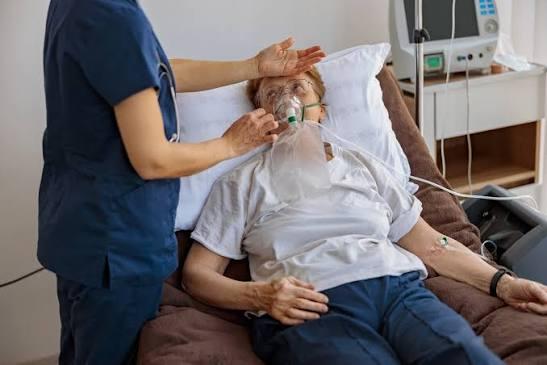
Patients who depend on mechanical ventilation may spend long periods in bed or remain in one position for extended periods, increasing their risk of skin irritation and pressure sores. Limited mobility, moisture, friction, poor nutrition, and medical equipment can all affect skin health. Families arranging Ventilator Care At Home In Dubai should make skin protection an important part of the patient's daily care routine. With guidance from qualified nurses, treating physicians, and services such as Doctor at Home when clinically appropriate, caregivers can learn how to maintain skin hygiene, identify early warning signs, and prevent avoidable complications. Consistent attention helps protect comfort, dignity, and overall well-being.
Why Skin Care Is Important for Ventilator-Dependent Patients:
Skin care is particularly important for patients who have limited mobility because prolonged pressure can reduce blood flow to certain areas of the body. When pressure remains on the same area for too long, the skin and underlying tissues may become damaged, potentially developing into a pressure injury. Moisture from sweating, incontinence, wound drainage, or spilled fluids can make the skin more vulnerable. Medical devices, tubing, and positioning supports may also create pressure or friction if they are not properly placed. Regular skin assessment, gentle hygiene, appropriate repositioning, and professional nursing support help reduce these risks. Every patient should have an individualized skin-care plan based on mobility, medical condition, and overall risk.
Understand the Common Areas Where Pressure Sores Develop:
Pressure injuries often develop over bony areas where there is less natural cushioning between the skin and underlying structures. Ventilator-dependent patients who remain in bed or use a wheelchair for extended periods may be particularly vulnerable. Common areas requiring attention include:
-
Heels and ankles.
-
Lower back and tailbone.
-
Hips and sides of the pelvis.
-
Elbows and shoulders.
-
Back of the head and ears.
-
Areas beneath medical devices, masks, straps, or tubing.
Caregivers should inspect these areas regularly, following the patient's care plan and respecting privacy. Redness that does not fade after pressure is relieved, unusual warmth, swelling, tenderness, or changes in skin texture may indicate an early pressure injury. Darker skin tones may show changes differently, so warmth, firmness, pain, and colour changes should all be considered.
Establish a Gentle Daily Skin-Care Routine:
A consistent hygiene routine helps keep the skin clean and reduces irritation caused by sweat, body fluids, and environmental contaminants. Caregivers should use gentle cleansing products recommended for the patient's skin type and avoid excessive rubbing or scrubbing. After washing, the skin should be dried carefully, especially in skin folds and other areas where moisture may collect. Suitable moisturizers may help prevent dryness, while barrier products can protect areas exposed to moisture when recommended by a healthcare professional. Avoid applying powders, creams, or antiseptics to damaged skin without clinical guidance. During personal care, nurses and caregivers can also observe changes that may require assessment and document concerns for the treating team.
Reposition the Patient to Reduce Prolonged Pressure:
Regular repositioning is one of the important measures used to reduce pressure injury risk in patients with limited mobility. Staying in one position for extended periods can place continuous pressure on vulnerable tissues, so the patient's position may need to be changed according to an individualized schedule. The appropriate frequency depends on skin condition, mobility, comfort, support surfaces, and medical stability. Caregivers should receive practical training in safe repositioning techniques, particularly when the patient has a tracheostomy, ventilator tubing, feeding equipment, or other medical devices. Pillows and positioning supports may help distribute pressure when selected and placed correctly. Repositioning should never pull on the breathing circuit or compromise the patient's airway.
Use Appropriate Bedding and Pressure-Relieving Equipment:
The right mattress and positioning aids can help distribute body weight and reduce pressure on vulnerable areas. Depending on the patient's risk level, a healthcare professional may recommend a pressure-redistributing mattress, specialized cushion, heel protector, or other support surface. These products should be selected according to the patient's condition and used as instructed. Keep bedding clean, dry, and smooth, because wrinkles, crumbs, and damp materials can increase friction or skin irritation. Avoid using improvised cushions or devices that create additional pressure points. Pressure-relieving equipment supports prevention but does not replace regular skin checks, repositioning, hygiene, and clinical assessment.
Manage Moisture and Maintain Skin Hygiene:
Excessive moisture can weaken the skin's protective barrier and increase the likelihood of irritation and breakdown. Patients who experience sweating, urinary or bowel incontinence, or wound drainage may need more frequent hygiene and skin protection. Caregivers should clean affected areas promptly using gentle products and pat the skin dry instead of rubbing. Moisture barriers may be recommended for areas exposed to body fluids. Clean clothing and bedding should be changed when damp or soiled. Families should also monitor skin folds and areas beneath medical equipment, where moisture can accumulate unnoticed. Persistent rashes, broken skin, unusual odours, or signs of infection should be reported to a healthcare professional.
Protect Skin Around Ventilator and Medical Devices:
Ventilator-dependent patients may use masks, tracheostomy ties, tubing, monitoring sensors, and other medical accessories that come into contact with the skin. Continuous pressure or friction from these devices can cause irritation and device-related pressure injuries. Caregivers should check the skin around contact points according to the clinical team's instructions and ensure that straps and supports are correctly fitted. Any adjustment to a tracheostomy tie, airway device, or ventilator interface should only be performed by someone trained and authorized to do so. Do not place padding beneath medical devices unless the clinical team recommends it, as unsuitable materials may affect fit or function. Report persistent redness, pain, swelling, or skin breakdown promptly.
Support Skin Health Through Proper Nutrition and Hydration:
Good nutrition and adequate hydration are important for maintaining skin integrity and supporting tissue repair. Patients with poor appetite, swallowing difficulties, feeding tubes, or complex medical conditions may be at increased risk of nutritional deficiencies. Their dietary requirements should be assessed by a physician or qualified dietitian, who may recommend an appropriate nutrition plan. Depending on the patient's condition, meals or prescribed enteral nutrition may need to provide sufficient protein, energy, vitamins, and minerals. Fluid intake should also follow medical advice, particularly for patients with heart, kidney, or other conditions requiring fluid restrictions. Caregivers should report changes in appetite, weight, or feeding tolerance to the healthcare team.
Recognize the Early Signs of Pressure Injuries:
Early identification can help prevent minor skin changes from progressing into more serious wounds. Caregivers should look for persistent redness or discolouration, unusual warmth, swelling, tenderness, firmness, blisters, or areas where the skin feels different from surrounding tissue. In more advanced cases, the skin may break open and expose deeper tissue. Warning signs that require prompt professional assessment include:
-
Skin discolouration that does not improve after pressure is relieved.
-
Blisters, open wounds, or skin breakdown.
-
Increasing pain or tenderness.
-
Swelling, warmth, or spreading redness.
-
Pus, unusual discharge, or unpleasant odour.
-
Fever or other signs of possible infection.
Do not massage reddened or damaged areas, as this may worsen tissue injury. A healthcare professional should assess suspected pressure injuries and recommend appropriate treatment.
The Role of Professional Nurses in Pressure Sore Prevention:
Professional nurses play an important role in maintaining skin health for ventilator-dependent patients. They can assess pressure injury risk, monitor vulnerable areas, support hygiene routines, assist with safe repositioning, and identify changes that require medical attention. Nurses can also educate family members about skin inspection, moisture management, equipment-related pressure risks, and documentation. If a pressure injury develops, its assessment and treatment should follow a clinician-directed plan. The nursing team should coordinate with the treating physician and wound-care specialists when necessary. Regular communication helps ensure that prevention strategies remain appropriate as the patient's condition and mobility change.
Final Thoughts
Managing skin care and preventing pressure sores are essential parts of supporting ventilator-dependent patients at home. Gentle hygiene, regular skin inspections, safe repositioning, suitable pressure-relieving equipment, and appropriate nutrition can all contribute to healthier skin. Families should pay particular attention to areas affected by prolonged pressure and medical devices, reporting concerning changes without delay. Professional guidance is important because every patient has different mobility, respiratory, and skin-care requirements. With a consistent care plan and qualified nursing support, Ventilator Care At Home In Dubai can help patients receive comprehensive care that protects their comfort, dignity, and overall health.

 English
 Arabic
 French
 Spanish
 Portuguese
 Turkish
 Dutch
 Italiano
 Russian
 Romaian
 Portuguese (Brazil)
 Greek