


How Do You Know If Mounjaro Injections Are Working?
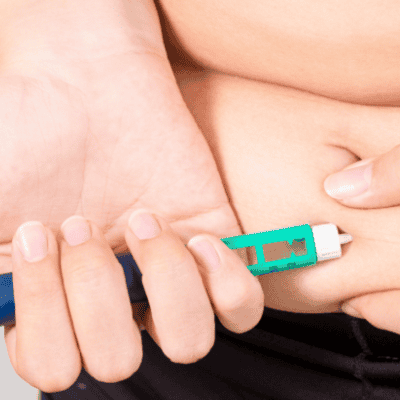
Mounjaro has become an increasingly recognised treatment option for people managing type 2 diabetes and seeking better blood sugar control. As treatment progresses, many people naturally wonder whether their injections are producing the expected results. Understanding the signs of progress can help individuals feel more confident about their treatment and recognise when they may need additional guidance.
The effectiveness of Mounjaro Injections can be assessed through several changes, including improved blood sugar readings, reduced appetite, gradual weight changes, and better control over food cravings. However, results are not identical for everyone. Some individuals notice changes within the first few weeks, while others require more time before experiencing noticeable improvements. Knowing which signs to monitor can make the treatment journey easier to understand.
1. What Are the First Signs That Mounjaro Injections Are Working?
Mounjaro contains tirzepatide, an active ingredient that works on two hormone receptors involved in blood sugar regulation and appetite control. These receptors are known as glucose-dependent insulinotropic polypeptide (GIP) and glucagon-like peptide-1 (GLP-1).
By activating these receptors, the medication helps the body release insulin when blood sugar levels are elevated, reduces the amount of glucose released by the liver, and slows stomach emptying. It can also influence appetite and food intake.
Several early signs may suggest that the treatment is having an effect.
Reduced Appetite
One of the changes some individuals notice is a decrease in appetite. Meals may feel more satisfying, and the desire to eat frequently throughout the day may become less noticeable.
This happens because tirzepatide affects appetite-regulating pathways and slows the movement of food through the stomach. As a result, individuals may feel full for longer after eating.
Fewer Food Cravings
Another possible sign is reduced interest in frequent snacking or high-calorie foods. Some people find it easier to manage portion sizes and make balanced food choices.
Feeling Full More Quickly
Individuals may notice that they feel satisfied after eating smaller portions than they previously needed. This can support healthier eating habits and contribute to gradual weight changes over time.
It is important to remember that these experiences are not guaranteed. The absence of appetite changes does not automatically mean the medication is ineffective.
2. Improved Blood Sugar Levels Are an Important Indicator
For individuals using Mounjaro to manage type 2 diabetes, improved blood glucose control is one of the most important indicators of treatment effectiveness.
The medication supports the body's natural blood sugar regulation processes. However, improvements should be assessed through actual glucose measurements rather than relying only on how a person feels.
More Stable Blood Glucose Readings
Individuals may begin noticing that their fasting blood sugar readings become more consistent. Post-meal glucose levels may also improve as the medication helps regulate the body's response to food.
Regular monitoring can help identify these changes. A healthcare professional may recommend checking blood glucose at specific times, depending on the individual's treatment plan.
Improvements in HbA1c
HbA1c is a blood test that measures average blood sugar levels over approximately two to three months. It provides a broader picture of glucose control than an individual daily reading.
A reduction in HbA1c may indicate that Mounjaro is helping improve long-term blood sugar management.
Healthcare professionals commonly use this measurement to evaluate treatment progress and determine whether adjustments are necessary.
Fewer Blood Sugar Fluctuations
Some individuals may also experience fewer significant fluctuations in their blood glucose readings. This can be particularly helpful for people who previously struggled to maintain stable levels.
However, people taking Mounjaro alongside insulin or certain other diabetes medications should be monitored carefully because the risk of low blood sugar may increase.
3. Gradual Weight Loss Can Indicate Treatment Progress
Although Mounjaro is primarily indicated for improving blood sugar control in people with type 2 diabetes, its effects on appetite and food intake may also contribute to weight reduction.
Weight changes are among the most noticeable outcomes for some individuals, but they should not be the only way to determine whether treatment is working.
Steady Changes Rather Than Immediate Results
Weight loss generally develops gradually. Some individuals may notice changes within the first several weeks, while others may require a longer period before seeing measurable differences.
The initial treatment dose is designed to help the body adjust to the medication. It is not intended as a maintenance dose for blood sugar control.
Therefore, limited weight changes during the early stages do not necessarily indicate that the medication is failing.
Changes in Body Measurements
Apart from checking the weighing scale, individuals may notice changes in waist measurements or how their clothes fit.
These changes can provide additional information about progress, particularly when body weight fluctuates from week to week.
Why Consistency Matters
Weight management involves several factors, including eating habits, physical activity, sleep, metabolism, and individual health conditions.
Mounjaro works alongside lifestyle changes rather than replacing them. Balanced meals, adequate hydration, and regular physical activity can support healthier long-term outcomes.
It is also important to avoid comparing individual results with other people's experiences because treatment responses can vary considerably.
4. How Long Does It Take for Mounjaro Injections to Work?
The time required to notice improvements depends on several factors, including the prescribed dose, individual response, treatment consistency, and overall health.
Some changes may appear relatively early, while other benefits become clearer over several months.
During the First Four Weeks
The initial dose is generally 2.5 mg once weekly for adults. This introductory period allows the body to become accustomed to the medication and helps reduce the likelihood of gastrointestinal side effects.
Some individuals may notice reduced appetite or changes in eating habits during this period. However, significant improvements in blood sugar or body weight should not be expected in every case.
After Four to Eight Weeks
Following the initial four weeks, the healthcare professional may increase the dose to 5 mg once weekly, depending on the treatment plan and individual tolerance.
Some people begin noticing more consistent appetite changes or improvements in glucose readings during this stage.
Further dose adjustments may be considered when clinically appropriate. These increases should only happen under professional guidance.
After Two to Three Months
By this stage, individuals may have a clearer understanding of how their bodies respond to treatment.
Changes in weight, appetite, and blood glucose measurements may become easier to evaluate. HbA1c testing can also provide valuable information about longer-term blood sugar control.
After Several Months
Continued monitoring helps determine whether the treatment is achieving its intended goals.
Not everyone experiences the same timeline. Some individuals respond quickly, while others may need additional time or a review of their overall diabetes management plan.
5. What Factors Can Affect the Effectiveness of Mounjaro Injections?
Several factors can influence how well Mounjaro works. Understanding these factors can help individuals recognise why their results may differ from other people's experiences.
Following the Prescribed Schedule
Mounjaro is generally administered once weekly. Taking it according to the prescribed schedule helps maintain consistent treatment.
Missing doses or changing the injection schedule without appropriate guidance may affect treatment consistency.
Correct Injection Technique
The medication is administered through a subcutaneous injection, meaning it is injected beneath the skin.
Approved injection areas include the abdomen, thigh, and upper arm. Injection sites should be rotated according to the product instructions.
Following the correct storage, handling, and administration instructions is also important.
Eating Habits and Nutrition
Although Mounjaro can reduce appetite, a balanced diet remains essential.
Meals containing vegetables, lean proteins, whole grains, and healthy fats can support general health and help maintain nutritional balance.
Individuals should avoid excessively restricting food intake, as this may contribute to weakness, inadequate nutrition, and other problems.
Physical Activity
Regular physical activity can support blood sugar management, cardiovascular health, and weight management.
Activities such as walking, cycling, swimming, and appropriate strength exercises may be helpful depending on individual fitness levels and medical circumstances.
Individual Health Conditions
Age, metabolism, existing health conditions, other medications, and individual biological differences can influence treatment outcomes.
For this reason, the effectiveness of Mounjaro should be evaluated individually rather than through comparisons with other users.
6. What Should Someone Do If Mounjaro Does Not Seem to Be Working?
Not noticing immediate results can be frustrating, particularly when someone expects changes in appetite, weight, or blood sugar shortly after starting treatment.
However, a lack of obvious changes does not automatically mean the medication is ineffective.
The first step is to review the treatment journey with a qualified healthcare professional.
This assessment may include checking blood glucose readings, reviewing HbA1c results, discussing changes in appetite and weight, and confirming that the medication is being administered correctly.
The healthcare professional may also consider whether the current dose is appropriate or whether other factors are affecting the results.
Individuals should never increase their dosage independently or take additional injections to accelerate progress. Dose adjustments must follow the prescribed schedule and take individual tolerance into account.
It is equally important to discuss persistent or severe side effects rather than assuming that discomfort is a sign of successful treatment.
Common side effects include nausea, diarrhoea, constipation, vomiting, abdominal discomfort, and reduced appetite. These symptoms may be more noticeable when treatment begins or after a dose increase.
Severe or persistent abdominal pain, particularly if it spreads towards the back, requires urgent medical assessment because it may indicate pancreatitis. Persistent vomiting or diarrhoea can also cause dehydration.
Signs of a serious allergic reaction, such as facial or throat swelling or difficulty breathing, require emergency medical attention.
Mounjaro also carries important precautions, including a boxed warning concerning thyroid C-cell tumours observed in animal studies. It should not be used by people with a personal or family history of medullary thyroid carcinoma or multiple endocrine neoplasia syndrome type 2.
Understanding these precautions helps individuals make informed decisions and approach treatment responsibly.
Frequently Asked Questions (FAQs)
1. How can someone tell if Mounjaro injections are working?
Common signs may include reduced appetite, fewer food cravings, feeling full after smaller meals, gradual weight changes, and improved blood sugar readings. For people managing type 2 diabetes, glucose measurements and HbA1c results provide more reliable evidence of treatment effectiveness than appetite changes alone.
2. How quickly do Mounjaro injections start working?
Some individuals notice changes in appetite within the first few weeks. Blood sugar improvements may also begin during the early stages of treatment. However, the full effects develop over time, and individual responses vary depending on dosage, health conditions, and treatment consistency.
3. Is it normal not to lose weight during the first month of Mounjaro treatment?
Yes, it can be normal. The initial 2.5 mg dose is intended to help the body adjust to the medication and is not intended for glycaemic control as a maintenance dose. Weight changes may take longer to become noticeable, so the absence of immediate weight loss does not necessarily indicate treatment failure.
4. Does experiencing nausea mean Mounjaro is working?
No. Nausea is a recognised side effect of Mounjaro, but it is not a reliable indicator of treatment effectiveness. Some individuals experience nausea, while others have very few side effects. Blood glucose measurements, HbA1c results, and overall treatment progress provide better indicators.
5. What happens if Mounjaro does not reduce appetite?
Not everyone experiences noticeable appetite suppression. The medication can still help improve blood sugar regulation even when appetite changes are limited. If there are concerns about the treatment response, a healthcare professional can review the dosage, injection technique, and other relevant factors.
6. Should someone increase their Mounjaro dose if results are slow?
No. Increasing the dose without medical guidance can increase the risk of side effects and other complications. Dose adjustments should follow the recommended schedule and depend on individual treatment goals, blood sugar control, and medication tolerance.
Final Thoughts
Recognising whether Mounjaro injections are working involves looking beyond a single change in body weight or appetite. Improved blood glucose readings, better HbA1c results, reduced food cravings, and gradual weight changes can all provide useful information about treatment progress.
Results develop at different rates, and the absence of immediate changes does not necessarily mean the medication is ineffective. Consistent use, appropriate lifestyle habits, regular monitoring, and professional guidance all play important roles in achieving meaningful outcomes.
Ultimately, the most reliable way to assess treatment effectiveness is through a combination of measurable health improvements and an ongoing review of individual progress.
Read More About Mounjaro Injections: https://drukarnia.com.ua/articles/mounjaro-injections-can-you-travel-with-your-medication-XIjtH

 English
 Arabic
 French
 Spanish
 Portuguese
 Deutsch
 Turkish
 Dutch
 Italiano
 Russian
 Portuguese (Brazil)
 Greek