


Pliers: Essential Hand Tools for Precision Work in Electrical and Telecommunications Applications
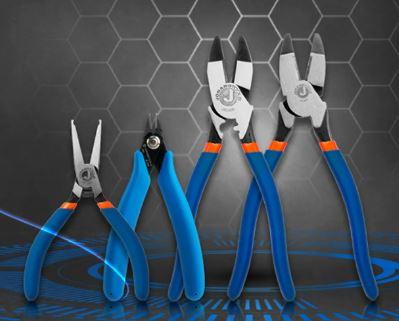
Working with wires, small components, and electrical connections often requires more than basic hand tools. Technicians regularly need to grip, bend, twist, position, and cut wires in areas where fingers cannot easily reach. Using an unsuitable tool can make these tasks difficult, damage delicate components, or slow down an installation.
This is where professional Pliers become essential. Designed for different gripping and handling applications, pliers help technicians complete detailed work with better control and efficiency. From electrical wiring to telecommunications maintenance, having the right Pliers tools available can make everyday jobs easier and more consistent.
Why Pliers Are Important for Professional Technicians
Pliers are among the most frequently used tools in a technician's toolbox. Their versatility makes them useful for handling different materials and performing a wide range of tasks.
Some common applications include:
-
Holding small wires and components securely.
-
Bending and forming wires during installation.
-
Looping conductors for electrical connections.
-
Cutting compatible wires and small cables.
-
Reaching components inside crowded equipment.
-
Positioning small parts during repair and maintenance.
However, not every pair of pliers is suitable for every application. Jaw shape, length, cutting edges, material, and handle design all influence how effectively a tool performs.
Choosing the right type helps technicians avoid unnecessary effort and maintain better control during precision work.
Understanding Different Types of Pliers
Different jobs require different jaw designs and features. Understanding the main options can help professionals select the right tool for their applications.
1. Needle Nose Pliers
Needle nose pliers are designed with long, narrow jaws that make it easier to grip and manipulate small objects. Their pointed shape is especially useful when working inside electrical panels, control boxes, and other restricted spaces.
Technicians commonly use these pliers for:
-
Holding thin wires during installation.
-
Bending and shaping small conductors.
-
Positioning components in confined areas.
-
Reaching wires behind other equipment.
-
Creating loops for wiring connections.
The narrow jaws provide access where wider tools may not fit. They are particularly useful for detailed electrical and electronics work.
2. Long Nose Pliers
Long nose pliers are another popular choice for professionals who regularly handle wires and small components. They offer extended jaws for reaching into tight spaces while maintaining a controlled grip.
Although the terms needle nose pliers and long nose pliers are sometimes used interchangeably, product designs can vary in jaw shape, thickness, length, and intended application.
Some long nose models also include additional features such as side cutters, stripping holes, or specialized gripping surfaces. These combinations can reduce the need to switch between multiple tools during certain tasks.
For example, Jonard Tools offers long nose models designed for general gripping, wire handling, and specific telecommunications applications.
3. Diagonal Cutting Pliers
Diagonal cutting pliers are designed primarily for cutting compatible wires and smaller materials. Their angled cutting edges allow technicians to trim wires in locations where straight cutting tools may be difficult to position.
They are useful for electrical installation, telecommunications maintenance, and general wire preparation. Always check the tool's cutting capacity and material compatibility before use.
4. Combination Pliers
Combination pliers bring multiple functions together in one tool. Depending on the design, they may include gripping jaws and side cutting edges.
These tools are useful for general purpose electrical and maintenance work where technicians need to hold, bend, or cut suitable wires without changing tools frequently.
Common Problems Technicians Face When Using Pliers
Even simple tasks can become challenging when the wrong pliers are used. Here are some common problems and practical ways to address them.
Difficulty reaching small components: Standard pliers may have jaws that are too wide for crowded equipment. Long nose or needle nose designs provide better access to narrow spaces.
Wires slipping during handling: Smooth or poorly matched jaws may struggle to hold certain materials securely. Knurled or serrated gripping surfaces can provide a firmer hold when used appropriately.
Hand fatigue during repeated work: Uncomfortable handles can make extended gripping and bending tasks tiring. Ergonomically designed handles and suitable leverage can improve comfort.
Damaged wires or components: Applying excessive force or using unsuitable jaws can damage delicate materials. Choose a tool designed for the task and use controlled pressure.
Frequent tool changes: Switching between separate tools can interrupt work. Multi function pliers with suitable cutting or stripping features may help simplify certain workflows.
What to Look for When Choosing Professional Pliers
Selecting suitable Hand tools pliers requires considering the type of work you perform regularly.
Here are some important factors to evaluate:
-
Jaw design: Choose pointed, long, curved, or combination jaws based on the working area and gripping requirements.
-
Material quality: Strong tool steel and suitable heat treatment can support durability and reliable performance.
-
Grip comfort: Cushioned or dipped handles can improve handling during repetitive tasks.
-
Cutting capability: If the tool includes cutting edges, check the specified wire size and material compatibility.
-
Additional functions: Stripping holes, specialized grooves, and side cutters can provide extra convenience.
-
Overall construction: Smooth joint movement and properly aligned jaws help maintain control.
It is also important to remember that ordinary pliers are not automatically suitable for electrical work on energized circuits. Follow appropriate isolation procedures and use correctly rated insulated tools where required.
Explore Professional Pliers from Jonard Tools
Jonard Tools offers a wide selection of pliers developed for technicians working in telecommunications, fiber optics, security and alarm systems, electrical applications, and other industries.
Its range includes long nose pliers, curved designs, diagonal cutting pliers, and specialized options for different professional tasks. For example, the Long Nose Gripping Pressing Pliers feature knurled jaws and dedicated grooves for pressing compatible brass sleeves. The JIC-21257 Telecom Long Nose Pliers combine gripping and cutting features with a stripping hole designed for specific wire applications.
Many Jonard pliers also feature ergonomic handles with dipped plastic grips to support comfort and control. The company backs its pliers with its Made for Life guaranteed for life policy.
Choose the Right Pliers for Better Everyday Work
The right pair of pliers can make a significant difference in electrical installation, telecommunications maintenance, and other precision tasks. Whether you need needle nose pliers for detailed work, long nose pliers for reaching confined areas, or combination designs for general applications, selecting a suitable tool helps improve efficiency and control.
Instead of relying on one tool for every job, build a collection that matches your everyday requirements. Explore the range of professional Hand tools pliers from Jonard Tools to find dependable solutions for gripping, bending, cutting, and handling wires and components.

 English
 Arabic
 French
 Spanish
 Portuguese
 Deutsch
 Turkish
 Dutch
 Russian
 Romaian
 Portuguese (Brazil)
 Greek