


Precision Nasal Septum Straightening with Asch Septum Forceps
Realigning a deviated nasal septum requires steady control, clear visibility, and gentle tissue handling inside narrow anatomical spaces. During septoplasty, septorhinoplasty, and closed nasal fracture reduction, surgeons use forceps asch to grasp, mobilize, and straighten displaced cartilage and bone along the midline. Because septal deviations often restrict airflow and complicate aesthetic or functional nasal reconstruction, having an instrument that distributes pressure evenly helps restore patency without tearing delicate surrounding mucosa. In routine otolaryngology and facial plastic procedures, dependable septal realignment sets the foundation for predictable healing and long-term structural stability.
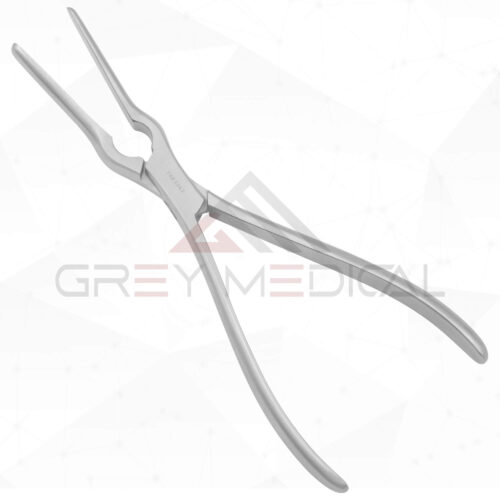
Structural Design and Ergonomic Features
A well-made forceps asch balances reach, leverage, and tactile feedback so the surgeon can work comfortably through the nasal vestibule. Typical designs pair elongated finger-ring handles with angled or slightly curved shanks that keep the operator's hands clear of the visual field while reaching deeper septal segments. Flat, blunt-edged jaws and concave neck contours are engineered to engage septal cartilage and vomerine or ethmoid bone broadly while reducing unnecessary stress on adjacent soft tissues. Smooth joint action further allows incremental adjustments during delicate repositioning maneuvers.
Clinical Applications Across Rhinology and Trauma
Beyond elective airway correction, clinicians rely on forceps asch when acute nasal trauma shifts the septum off the maxillary crest or twists the cartilaginous framework. By seating both blades cleanly on either side of the deviated septum, the surgeon can apply controlled leverage to bring displaced segments back toward the midline. Surgeons 150s forceps also pair septal straightening instruments with complementary tools such as Walsham forceps when lateral nasal bone mobilization is required alongside midline septal correction. Careful alignment at this stage supports both functional breathing and balanced external nasal contours.
Material Quality and Sterilization Care
Surgical reliability depends heavily on metallurgy and consistent reprocessing between cases. High-grade medical stainless steel gives forceps asch resistance to corrosion, bending stress, and repeated steam autoclaving cycles when cleaned and inspected properly. Central sterile teams should remove blood and debris promptly after surgery, verify smooth hinge articulation and jaw alignment prior to packaging, and follow validated sterilization parameters to preserve instrument longevity. Routine pre-procedure checks help prevent micro-pitting or misalignment from interfering with delicate tissue work.
Choosing the Right Instrument for Your Practice
Selecting an appropriate forceps asch involves matching blade length, angle, and overall reach to the specific procedures performed in your operating room or clinic. Surgeons handling varied septal anatomies often weigh standard versus angled profiles depending on whether they primarily perform straightforward septoplasties, revision rhinoplasties, or acute fracture reductions. Sourcing from a manufacturer committed to strict quality standards ensures consistent tolerances across every unit supplied to surgical teams.
Conclusion
Accurate septal straightening remains essential to restoring nasal airflow and structural harmony in rhinology and facial trauma care. With thoughtfully proportioned jaws, ergonomic handling, and durable stainless steel construction, Asch septum forceps provide surgical teams with dependable control through every stage of realignment. Grey Medical supports hospitals, clinics, and surgeons worldwide with precision surgical instruments built to perform consistently procedure after procedure.

 English
 Arabic
 French
 Spanish
 Portuguese
 Deutsch
 Dutch
 Italiano
 Russian
 Romaian
 Portuguese (Brazil)
 Greek