


Preparing for Healthcare Emergencies: The Role of Nursing Education in Community Resilience
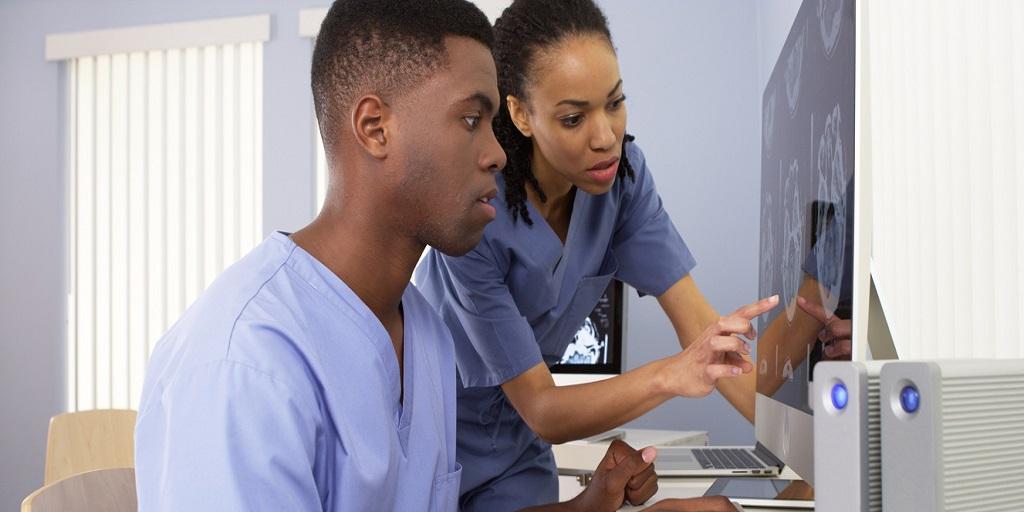
Florida's hurricane season can bring more than damaged buildings and disrupted transport. A major storm may interrupt electricity, communication and access to medical supplies. Hospitals may receive more patients, while people who depend on regular medication or medical equipment may suddenly lose access to usual care. In such circumstances, healthcare professionals play an important role in community resilience.
Healthcare Preparedness Begins Before an Emergency
Disasters rarely allow healthcare workers to operate under ideal conditions. Communication networks may fail, supplies may become scarce, and patients with different medical needs may require attention simultaneously. Nursing education should introduce students to emergency healthcare responsibilities. Learning about disaster response, patient assessment, infection prevention and emergency coordination helps future nurses understand how care must adapt when normal services are disrupted.
Recognising the Needs of Vulnerable Communities
Older adults, people with disabilities, patients receiving continuing treatment and children with specific medical requirements may need assistance during evacuation or temporary sheltering. Florida's special needs shelter arrangements recognise these challenges. Nurses may help monitor health concerns and ensure essential care is not overlooked. An Accredited Nursing Degree Program Florida students consider should help them understand these wider community responsibilities alongside conventional clinical learning.
Maintaining Continuity of Care
A disaster does not pause the needs of someone managing diabetes, heart disease or another long-term condition. Medication, treatment equipment and access to healthcare professionals remain important when regular services are interrupted. Nurses must recognise these concerns and communicate with healthcare providers, emergency personnel and family caregivers. Familiarity with evacuation procedures, patient transfers and temporary care arrangements can help reduce avoidable complications. Florida's healthcare emergency planning framework highlights staff training, communication and continuity of patient care during emergencies.
Developing a Community-Oriented Perspective
Emergency response depends on cooperation among hospitals, local health departments, emergency management teams, community organisations and healthcare workers. Nursing students who understand these connections can appreciate how their responsibilities extend beyond hospital walls. Simulation exercises and emergency scenarios can introduce them to situations where teamwork, sound judgement and clear communication are essential. Nurses must remain attentive to individual patients while understanding the demands of the wider response.
Take Away
Healthcare emergencies show how individual wellbeing is connected with community preparedness. Florida needs nurses who can contribute to routine care and understand the challenges created by natural disasters and public health disruptions. Students considering an Accredited Nursing Degree Program Florida should look beyond academic requirements and examine how their education addresses emergency responsibilities, vulnerable populations and continuity of care. These skills help graduates support patients and communities through difficult circumstances.

 English
 Arabic
 French
 Spanish
 Portuguese
 Deutsch
 Turkish
 Italiano
 Russian
 Romaian
 Portuguese (Brazil)
 Greek